The Ward Colorado UFO Photograph
Photographer Edward Pline was photographing a sawmill when he heard a 'terrible, thunderous bellow.' Looking up, he saw a huge circular craft moving across the sky. When developed, the photograph showed the object - potentially one of the earliest UFO photographs in existence.
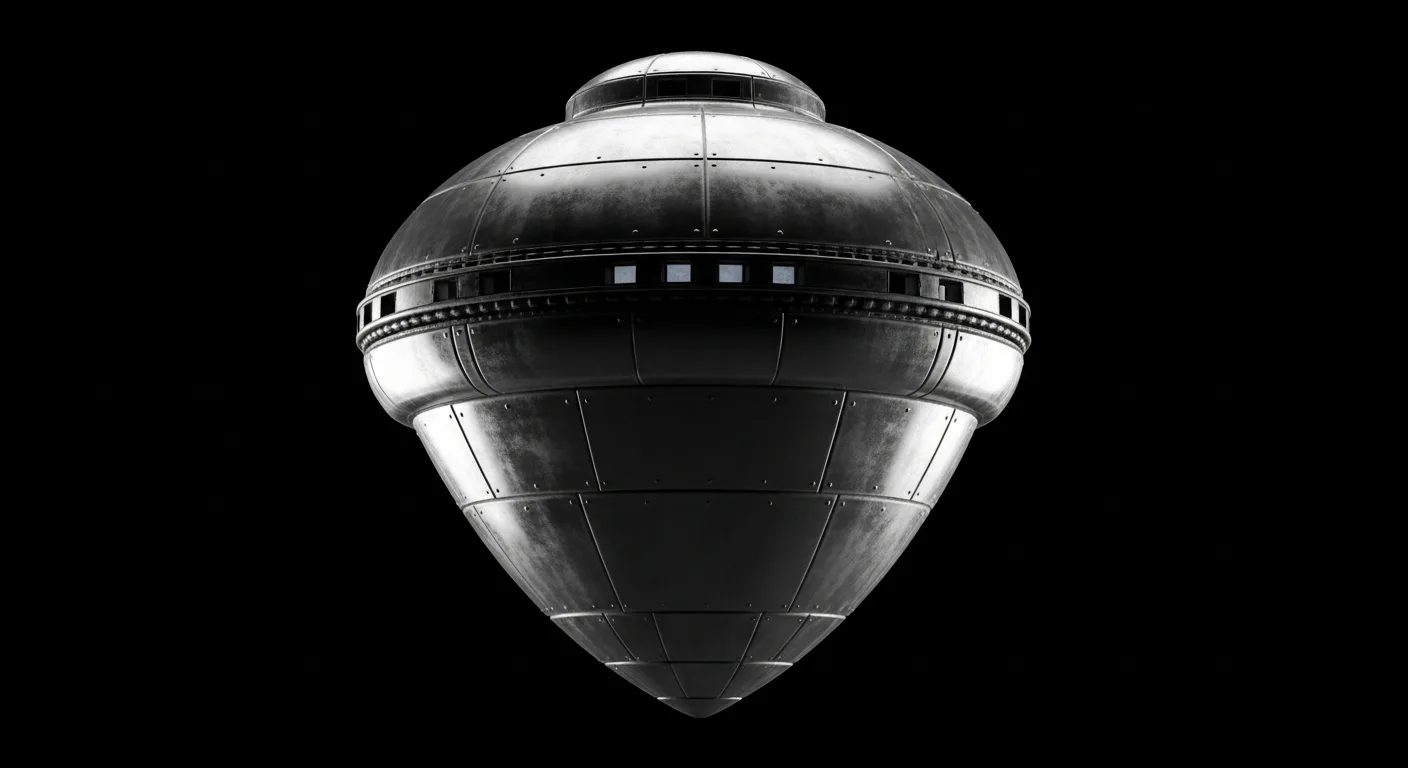
In April 1929, photographer Edward Pline was at work photographing a sawmill in Ward, Colorado, when he heard a “terrible, thunderous bellow” from above. Looking up, he witnessed a huge, circular craft moving steadily across the sky. While he was the only one to see the object directly, sawmill workers heard the commotion and felt the ground shudder. When Pline developed his photograph, the mysterious object appeared in the image - potentially making it one of the earliest UFO photographs in existence.
The Encounter
The Setting
That day in Ward: the date was April 1929, the location was Ward, Colorado, and the activity was the photographing of a sawmill. Edward Pline, the photographer, was engaged in routine work that was unexpectedly interrupted.
The Sound
What alerted Pline was a “terrible, thunderous bellow” that originated from above. The sound was loud enough to startle, and witnesses reported feeling it as well as hearing it, with the ground shuddering as a result.
The Object
Visual Observation
Pline witnessed a “huge circular craft” that moved steadily across the sky, remaining clear enough to observe. The object was described as having a substantial size and differing from any conventional aircraft that he was familiar with.
Physical Effects
Additional evidence included the ground shuddering, vibrations felt by the sawmill workers, the sound carrying a considerable distance, a confirmed physical presence, and multiple sensory impressions reported by those present.
The Photograph
Capture
The image was taken during Pline’s routine work photographing the sawmill, and the object appeared in the frame. The photograph was developed later, revealing the circular craft visible in the image, thereby creating a permanent record of the event.
What It Showed
The developed image revealed the circular craft in the sky, documenting the event in photographic form. This photographic evidence corroborated the witness account, preserving a historical record.
Significance
This photograph is considered one of the earliest UFO photographs, predating the “flying saucer” era. The existing physical evidence and the 1929 technology capturing a 1929 mystery highlight its significance.
Corroborating Details
The Sawmill Workers
Other witnesses, the sawmill workers, all heard the commotion, felt the ground shudder, and none saw the object directly. This confirms that something unusual and significant had occurred, corroborated by the sound and vibration experienced by the witnesses.
Daughter’s Account
Hetty Pline later recounted that “none of the sawmill workers saw the thing in the photo,” but they “all heard the sound” and “felt the ground shudder.” The family kept the story, passing it down through generations.
Analysis
Photographic Evidence
The image suggests that the object was real enough to photograph, not an optical illusion, possessing a solid, physical presence captured by a camera, and serving as permanent documentation.
The Sound Problem
The workers didn’t see the object because they were working inside or focused on tasks, prompting them to stop. However, the object may have passed quickly, and only Pline was in a position to look up in time; the camera happened to be pointed in the right direction.
Physical Effects
The shuddering ground implies a massive object, a low-frequency vibration, a significant displacement, a real physical presence, and a phenomenon not just visual.
Historical Context
1929 Photography
The equipment of the era, including large format cameras, slow shutter speeds, and required careful setup, meant that the object would need to be slow-moving. The photographer, a skilled professional, was instrumental in capturing this event.
Pre-Modern UFO Era
The timing of the event in 1929 – 18 years before the Arnold sighting – indicates a period before the “flying saucer” concept existed, with no template to fake the event, no clear motive for a hoax, and a genuine event or genuine imagination.
The Question
In April 1929, Edward Pline heard something impossible.
A “terrible, thunderous bellow” from above Ward, Colorado. The ground shook. He looked up.
A huge circular craft. Moving across the sky. Silent now except for that initial roar. Massive enough to make the earth tremble.
His camera was in his hands. He was there to photograph a sawmill.
He photographed something else.
When he developed the image, there it was. The craft. In the sky. Caught on film.
The sawmill workers heard it. They felt the ground shake. But they didn’t see it.
Only Pline saw it.
And only Pline’s camera captured it.
One of the earliest UFO photographs in existence. Taken in 1929. Eighteen years before flying saucers entered public consciousness. Before Roswell. Before Kenneth Arnold. Before any of it.
A photographer at a sawmill in Colorado.
Pointing his camera at lumber.
And catching something from the sky.
The Ward Colorado UFO Photograph.
Edward Pline knew what he saw.
He knew what he photographed.
His daughter remembered the story.
The workers remembered the sound.
The ground remembered the shaking.
And somewhere, perhaps, that photograph still exists.
Evidence from 1929.
A circular craft.
A thunderous sound.
A moment captured.
Still unexplained.
Sources
- Chronicling America (Library of Congress) — Historic US newspaper coverage (1690–1963)
- Chronicling America — Historic US newspapers (1690–1963)