Pacific Northwest
Bigfoot, Kenneth Arnold, and the birthplace of the flying saucer
The Pacific Northwest gave modern ufology its name. On June 24, 1947, Kenneth Arnold saw nine crescent-shaped objects near Mount Rainier that a newspaper editor called "flying saucers" — and the era began. Three days later, Harold Dahl reported a close encounter over Puget Sound that became the Maury Island Incident, the first reported Men in Black contact. The region also has the highest concentration of credible Bigfoot reports in North America, anchored by the famous 1967 Patterson-Gimlin film shot in northern California just south of the Oregon border.
Activity by Type
Location Map (35 pinned)
Featured Cases
Kenneth Arnold Sighting - Birth of Flying Saucers
Mount Rainier, Washington, USA
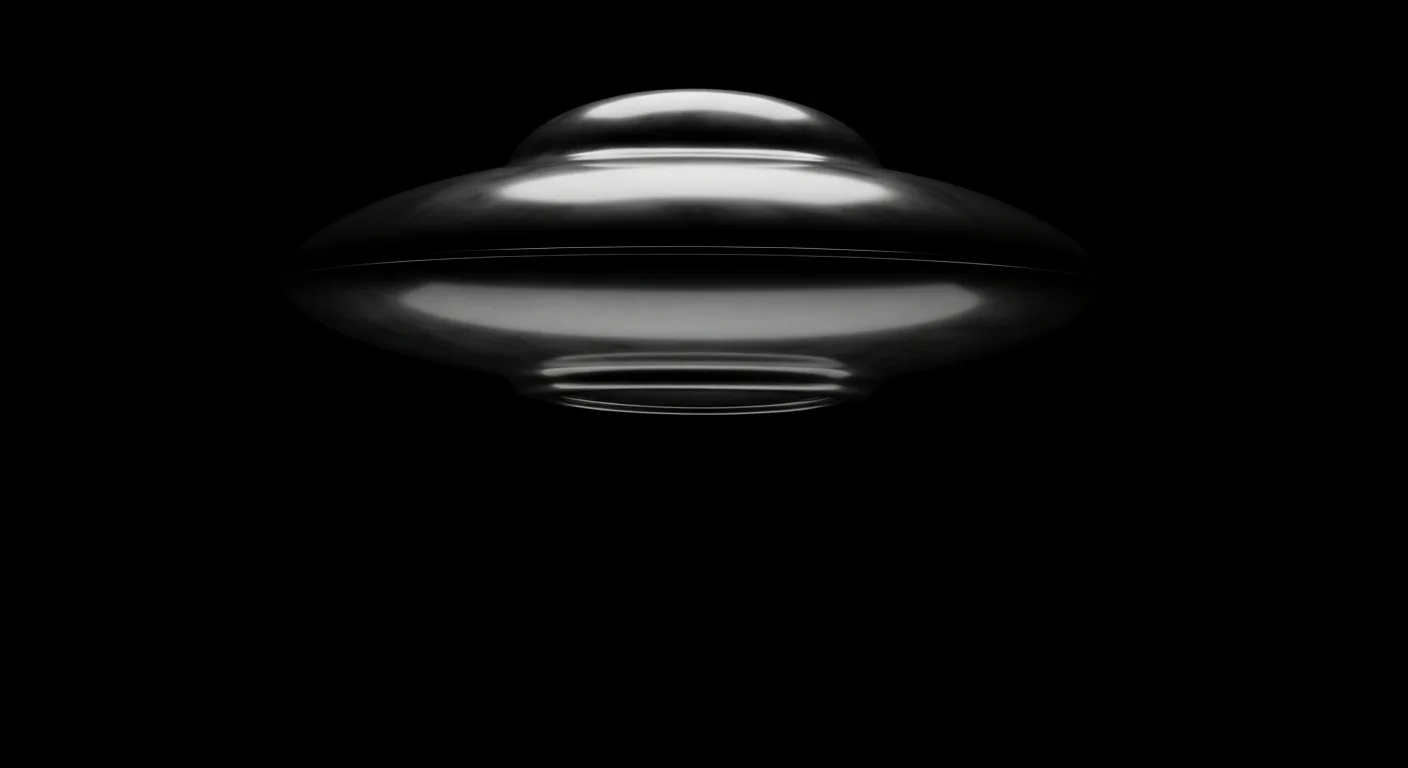
On June 24, 1947, private pilot Kenneth Arnold reported seeing nine crescent-shaped objects flying in formation near Mount Rainier at an estimated 1,200 mph. His description of their movement 'like a saucer skipping across water' gave birth to the term 'flying saucer.' This sighting launched the modern UFO era.
Maury Island UFO Incident
Maury Island, Washington, USA
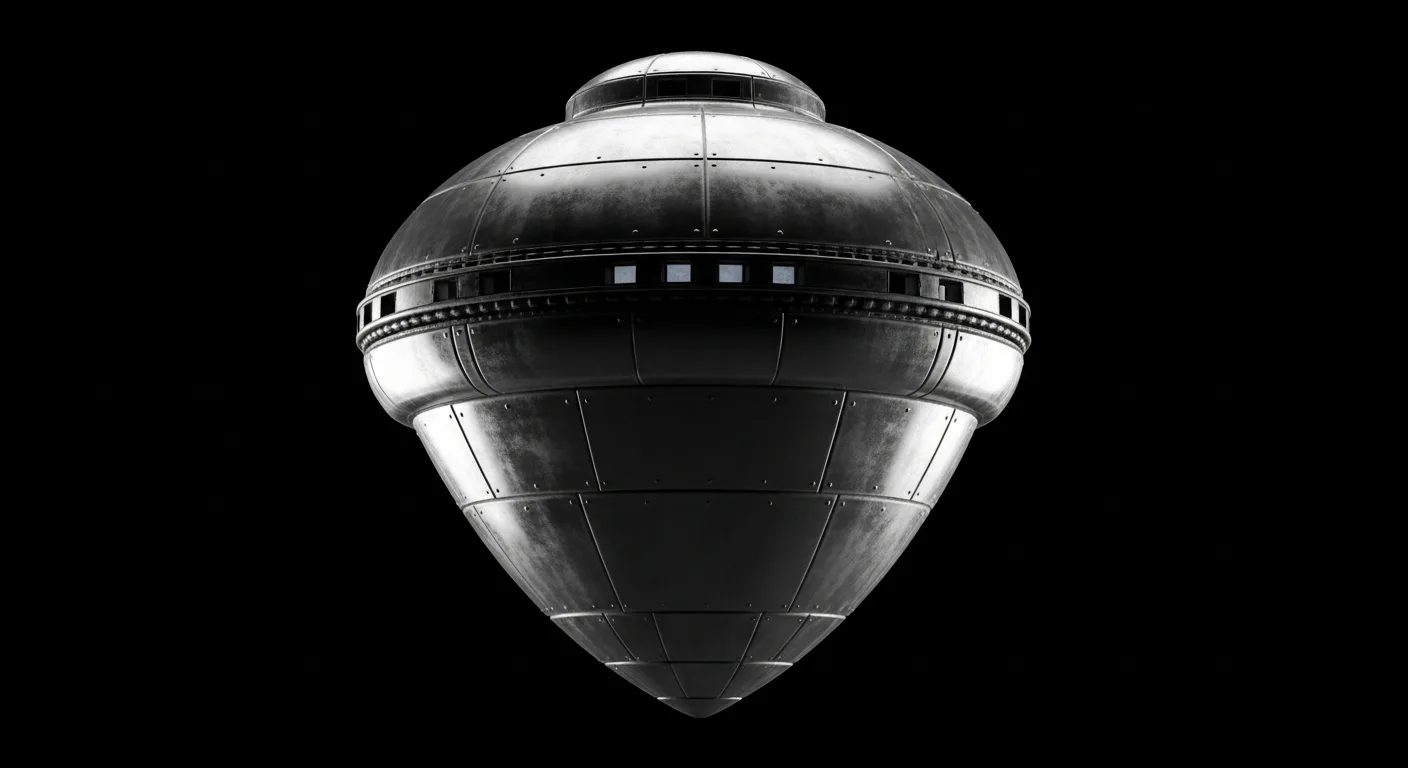
Harold Dahl reported six doughnut-shaped craft over Puget Sound, one of which dropped molten metal that killed his dog. The incident allegedly involved the first Men in Black visit.
Kenneth Arnold's Flying Saucers
Mount Rainier, Washington, USA
Private pilot Kenneth Arnold's sighting of nine crescent-shaped objects near Mount Rainier gave birth to the term 'flying saucer' and launched the modern UFO era.
Shanghai Tunnels
Portland, Oregon, USA
Beneath Portland's streets, tunnels were used to kidnap drunk men and sell them as ship labor—'Shanghaied' to sea. Thousands were taken, many died. Now their ghosts wander the tunnels. Tours report screams, shadow figures, and intense dread.
Cadborosaurus (Caddy)
Pacific Coast, British Columbia, Canada
A sea serpent with a horse-like head has been reported off British Columbia for nearly a century. A carcass was allegedly found inside a whale. 'Caddy' remains unconfirmed.
Cadborosaurus Sea Serpent
Cadboro Bay, Vancouver Island, Canada
The Pacific Northwest's sea serpent has been spotted over 300 times since 1933. Nicknamed 'Caddy,' the creature has a horse-like head, long neck, and serpentine body. In 1937, a carcass was allegedly pulled from a whale's stomach. The photos exist. The mystery remains.
Recent Activity (2000–present)
Showing 6 featured cases from 162 total events in this region.
Browse All 162 Events →