Valensole UFO Encounter
A French farmer found two small beings examining his lavender plants. Their craft had six legs. When he approached, they paralyzed him with a tube-like device. The landing site wouldn't grow plants for a decade.
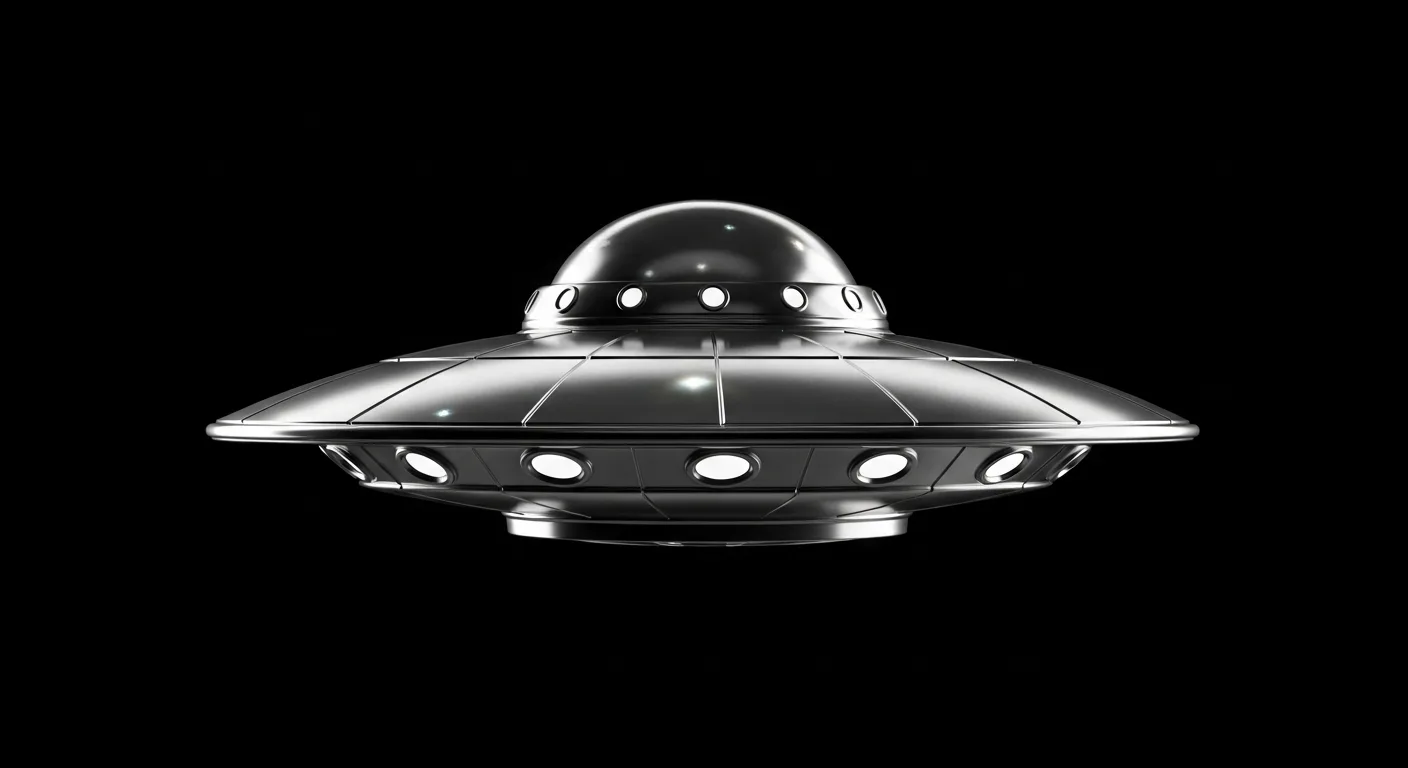
On the morning of July 1, 1965, a lavender farmer in the south of France encountered two beings and their craft in his field. The Valensole incident would become one of the most celebrated UFO cases in French history, notable for its credible witness, the physical traces left behind, and the long-lasting effects on the landing site.
The Witness
Maurice Masse was a 41-year-old lavender farmer whose family had worked the land around Valensole for generations. The village lies in the Alpes-de-Haute-Provence department of southeastern France, an area famous for its lavender cultivation. Masse was known in his community as a reliable, hardworking man with no reputation for fantasy or attention-seeking.
Masse had served in the French Resistance during World War II, an experience that suggested both courage and discretion. He was not the type of person to fabricate stories or seek publicity. When he came forward with his account, those who knew him took his words seriously, even when they described the impossible.
The farmer had no prior interest in UFOs or extraterrestrial life. He was focused on the practical concerns of agricultural work, not cosmic speculation. His encounter on July 1, 1965, came without warning or anticipation.
The Early Morning Discovery
At approximately 5:45 AM, Masse was walking through his lavender field to begin his morning work. The plants were in full bloom, the air fragrant with their distinctive scent. Dawn was breaking over the Provence hills, and Masse expected nothing more unusual than a normal day of farming.
As he approached a vineyard section of his property, Masse heard a strange whistling sound. Looking toward the noise, he was startled to see an object resting in his lavender field approximately 90 meters away. At first he assumed it must be some kind of experimental aircraft, perhaps a military helicopter that had made an emergency landing.
Walking closer to investigate, Masse realized that the object was unlike any aircraft he had seen. It was approximately the size of a small car, egg-shaped or oval, resting on six thin legs that extended from its underside. The craft had a dull metallic appearance and made no sound beyond the faint whistling he had initially heard.
The Beings
As Masse drew closer, he noticed two small figures crouching near the lavender plants on the far side of the craft. They appeared to be examining the plants, as if conducting some kind of botanical study. The beings were approximately four feet tall, humanoid in form, with large heads disproportionate to their bodies.
The creatures wore gray one-piece garments that covered their entire bodies. Their heads were hairless, with large, slanted eyes that wrapped around the sides of their faces. Their mouths were small, more like slits than human lips. Masse noted that despite their strange appearance, they did not seem threatening.
The farmer’s first thought was that these might be children playing some kind of prank, perhaps wearing costumes. This impression lasted only a moment. As he approached within about 15 feet, one of the beings turned and noticed him.
The Paralysis
The being that spotted Masse reached toward what appeared to be a tube or cylinder attached to its belt. It pointed this device at the farmer, and immediately Masse found himself completely unable to move. His muscles would not respond to his commands. He stood frozen in place, conscious and aware but utterly paralyzed.
Masse later described the experience as terrifying but not painful. He could see, hear, and think clearly, but his body was completely immobilized. He watched helplessly as the two beings regarded him briefly, then turned and walked back to their craft.
The beings entered the craft through an opening that Masse had not previously noticed. Once inside, the object began to rise. It lifted off the ground with a whistling sound, the same noise Masse had heard initially. The craft rose at an angle, accelerating rapidly, and within seconds had disappeared from view.
The paralysis did not lift immediately when the craft departed. Masse remained frozen in place for approximately 15 to 20 minutes after the beings left. Gradually, sensation returned to his limbs, and he was able to move again. The experience left him shaken but physically unharmed.
The Aftermath
Masse returned home and told his wife and father what had happened. He was visibly disturbed by the experience and initially reluctant to report it to authorities, fearing ridicule. However, the marks left in his field were undeniable, and word of the incident eventually spread.
Local police investigated and found a hard, packed surface at the landing site. The soil appeared to have been compressed or fused by intense heat or pressure. The lavender plants within a radius of the landing spot died, and attempts to replant the area failed completely for nearly a decade.
The French authorities took the case seriously. Investigators interviewed Masse multiple times and found his account consistent and credible. He demonstrated the location, described the beings and their craft in detail, and showed no signs of fabrication or mental instability.
Physical Evidence
The landing traces in Masse’s field provided some of the most compelling physical evidence in early UFO research. The affected area remained barren for approximately ten years, refusing to support plant growth while surrounding lavender thrived normally.
Soil analysis revealed changes in the composition of the landing site. The ground had been altered in ways consistent with exposure to intense energy or pressure. These changes persisted long after the event, providing ongoing evidence that something unusual had occurred.
The pattern of the traces matched Masse’s description of the craft’s six legs. Depressions in the ground corresponded to where the landing gear would have rested. The geometry of these marks could not be easily explained by any conventional source.
The Witness’s Later Life
Maurice Masse lived with his experience for the rest of his life. He gave interviews occasionally but never sought to profit from his account or become a public figure. He maintained the same version of events consistently over the decades, adding details when asked but never changing the fundamental narrative.
The encounter affected Masse profoundly. He reported sleeping difficulties and psychological disturbance in the weeks following the incident. With time, these effects diminished, but he never lost the sense that he had witnessed something of tremendous importance.
Masse believed that the beings he encountered were not hostile. Their examination of his lavender plants suggested scientific curiosity rather than malevolent intent. The paralysis, while frightening, caused no lasting harm. Whatever their purpose in visiting his field, they had not meant to hurt him.
Significance
The Valensole case is considered one of the landmark UFO encounters of the 1960s. The combination of a highly credible witness, physical traces that persisted for years, and official investigation gave the case weight that many UFO reports lack.
French UFO researchers have consistently rated the Valensole encounter among the most important cases in their files. The event influenced the French government’s ongoing commitment to studying unidentified aerial phenomena, a commitment that continues to the present day.
For those who study close encounters with humanoid beings, Valensole provides one of the better-documented examples. The description of the beings matches similar accounts from other witnesses in different locations and time periods, suggesting either a genuine phenomenon or a remarkably consistent template for such experiences.
The field where Maurice Masse encountered two beings on a July morning has long since recovered. Lavender grows there again, fragrant and purple under the Provence sun. But the farmer’s encounter, documented and analyzed, remains part of the historical record, waiting for an explanation that has never come.
Sources
- Project Blue Book — National Archives — USAF UFO investigation files, 1947–1969
- CIA UFO/UAP Reading Room — Declassified CIA documents on UAP