Valensole Lavender Field Encounter
A French farmer encountered a landed UFO and two small beings in his lavender field. Physical trace evidence remained for years, and the encounter affected the witness for the rest of his life.
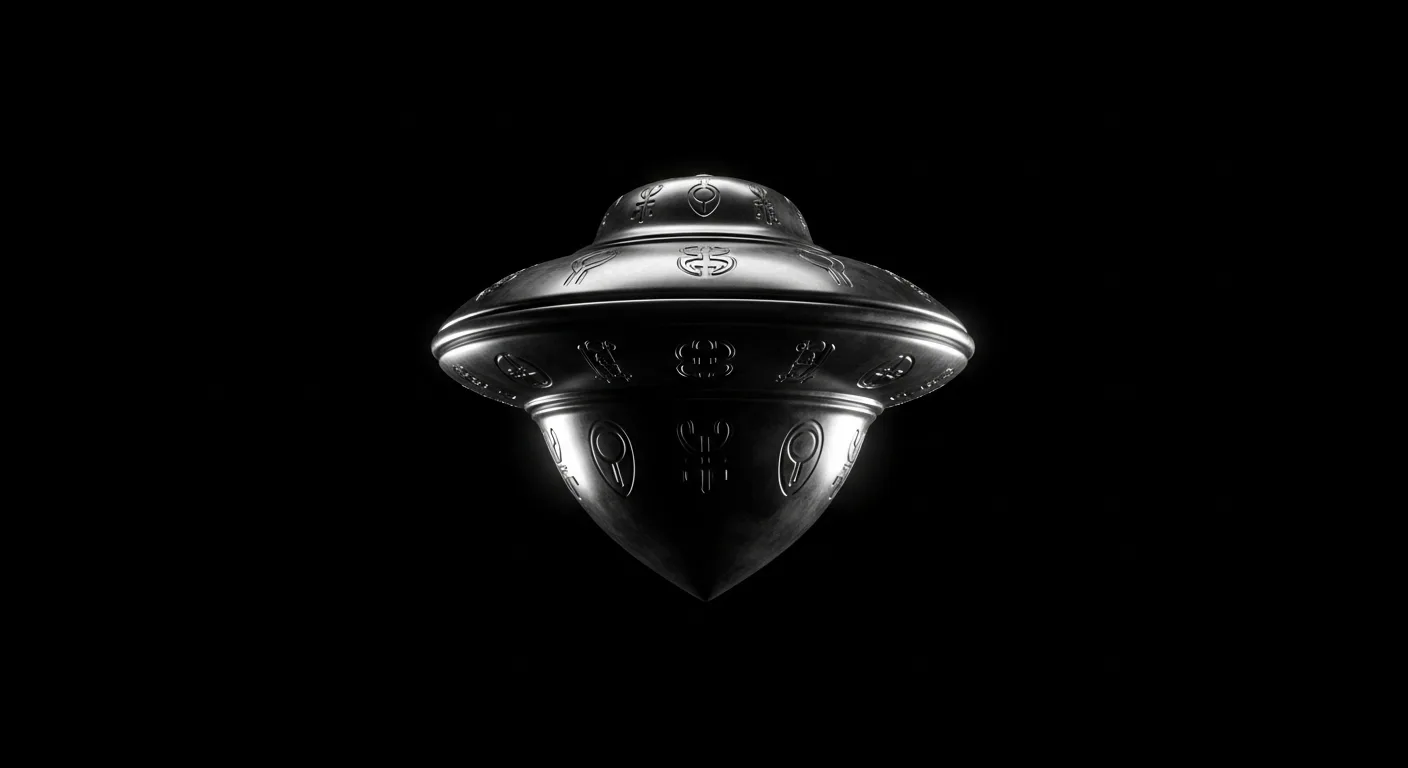
In the early morning hours of July 1, 1965, a French farmer named Maurice Masse walked into his lavender field near Valensole, Provence, and encountered something that would change his life forever. What he found among the fragrant purple rows was not an agricultural concern but an egg-shaped craft and two small beings examining his plants. The encounter left physical evidence that persisted for years and psychological scars that Masse carried to his grave.
The Valensole case stands as one of the most thoroughly investigated and credible close encounter cases in European UFO history. The witness was a respected member of his community with no history of fanciful claims. The physical evidence he described was documented scientifically. And the profound impact on Masse himself testified to the reality of whatever he experienced that summer morning.
The Witness
Maurice Masse was no dreamer or fantasist. Born and raised in the Provence region of southern France, he was a practical farmer who tended his lavender fields with the same dedication his family had shown for generations. He was also a World War II veteran, a man who had faced real danger and learned to keep his wits about him. His neighbors and the local gendarmes knew him as honest, reliable, and level-headed.
On the morning of July 1, Masse rose early to check his lavender crop before the heat of the day. He was particularly concerned about someone who had been stealing lavender plants from his field. As he walked among the rows, he heard a strange whistling sound coming from beyond a small hillock. Thinking he had caught the plant thieves, he moved quietly toward the sound.
The Craft and Its Occupants
What Masse saw when he crested the rise was not plant thieves. Approximately sixty feet away, an egg-shaped object sat among the lavender, resting on six legs arranged in a hexagonal pattern beneath a central pedestal. The craft was about the size of a small car, perhaps twelve feet wide, and appeared to be made of a dull metallic material.
Near the craft stood two small beings, approximately four feet tall. They wore tight-fitting, grayish-green coveralls that covered them from foot to head, leaving only their faces exposed. Their heads were proportionally large, their skin appeared pale, and their mouths were small, almost lipless. They seemed to be examining his lavender plants, one of them holding a small object in its hand.
Masse approached slowly, still not fully comprehending what he was seeing. He was perhaps five meters from the beings when one of them turned and noticed him. The being pointed a small tube-like device at Masse, and instantly he found himself completely paralyzed.
The Paralysis
The paralysis Masse described was total. He could not move a muscle, could not speak, could barely breathe. Yet he remained fully conscious, able to see and hear everything around him. The two beings regarded him briefly, seeming more curious than threatening. They exchanged sounds that Masse described as a kind of gurgling or humming communication.
After what felt like several minutes but may have been shorter, the beings turned away from Masse and entered their craft through a door that had appeared in its side. The whistling sound resumed, louder now, and the craft rose slowly into the air on its central pedestal before shooting away at tremendous speed toward the northwest.
Only after the craft had disappeared did Masse’s paralysis begin to fade. The recovery was gradual. First he could move his eyes, then his fingers, then his limbs. It took nearly twenty minutes before he felt capable of walking. The terror and confusion of the experience had left him shaken to his core.
The Physical Evidence
When Masse finally felt strong enough to examine the landing site, he found unmistakable physical evidence that something unusual had been there. The soil where the craft had rested was hardened, almost like concrete, in a circular area about four meters in diameter. The lavender plants within and near this circle were affected in ways that would persist for years.
In the following days and weeks, researchers documented the evidence: the soil at the landing site had been transformed, becoming harder and drier than surrounding soil; lavender plants in the affected area wilted and died, refusing to regrow for years afterward; the circular pattern remained visible long after the incident; soil samples showed unusual characteristics compared to control samples nearby; and a central hole where the pedestal had rested remained visible for months. The French government’s official UFO investigation organization, later known as GEIPAN, took particular interest in the Valensole case. Their investigators found the physical evidence consistent with Masse’s account and could offer no conventional explanation for the soil and plant effects.
The Psychological Impact
Perhaps the most compelling aspect of the Valensole case was its effect on Maurice Masse himself. For weeks after the encounter, he suffered from profound fatigue and required far more sleep than normal. He experienced a strange peace of mind, he later reported, as if the beings had somehow communicated to him that their intentions were benign, even though no words had been exchanged.
Yet he was also deeply troubled. He avoided speaking about the experience publicly, reluctant to face the ridicule he feared would follow. When he did speak to researchers, he often became emotional, and there were aspects of the encounter that he refused to discuss at all, suggesting the experience had been even more profound than his official account indicated.
In the years that followed, Masse never sought publicity or profit from his experience. He continued farming, continued tending his lavender, and continued living quietly in Valensole. But those who knew him said he was never quite the same man after July 1, 1965. Something had touched him in that field, something that left marks both in the soil and in his soul.
Comparison to Other Cases
Researchers have noted striking similarities between the Valensole encounter and other cases from around the same period. The beings Masse described share characteristics with entities reported in other landings: the small stature, the large heads, the seamless coveralls, the apparent interest in vegetation. The paralysis device matches descriptions from other encounters.
Of particular interest is the similarity to the Socorro, New Mexico case of 1964, in which police officer Lonnie Zamora encountered a landed egg-shaped craft with two small beings in white coveralls. Neither witness knew of the other’s experience at the time, yet their descriptions align remarkably well.
This consistency across cases from different countries and cultures suggests either a common source for the encounters or a shared psychological phenomenon that produces similar imagery. Whatever the explanation, Valensole fits into a broader pattern of close encounter reports that cannot be easily dismissed.
Official Interest
The Valensole case attracted attention from French authorities at the highest levels. The gendarmes investigated promptly, documenting Masse’s account and examining the physical evidence. The case was later taken up by GEPAN (now GEIPAN), the French government’s official UFO study group, which considered it among the most credible cases in their files.
International UFO researchers also investigated extensively. Dr. Jacques Vallee, one of the most respected scientific researchers in the field, studied the case and found Masse to be a credible witness. The convergence of official interest, scientific investigation, and documented physical evidence gives Valensole a weight that many UFO cases lack.
Legacy
Maurice Masse died in 2004, having spent nearly four decades carrying the weight of his 1965 encounter. He never recanted his story, never embellished it, and never sought to profit from it. The lavender field where the encounter occurred eventually recovered, but the memory of what happened there remained vivid for those who investigated it.
The Valensole case represents a foundational event in European UFO research. The physical trace evidence, the credible witness, and the documented psychological impact combine to create a case that resists easy dismissal. Whether Masse encountered extraterrestrial beings, some other form of intelligence, or something we have no framework to understand, his experience that July morning was real to him, and the evidence suggests it should be real to us as well.
Today, Valensole is known for its lavender fields and their stunning purple beauty. But beneath that beauty lies a mystery that science has never solved: the memory of a morning when a farmer walked into his field and found something that did not belong to his world.
Sources
- Project Blue Book — National Archives — USAF UFO investigation files, 1947–1969
- CIA UFO/UAP Reading Room — Declassified CIA documents on UAP