The Cordell Hull Capitol Aliens
According to testimony from his cousin Reverend Turner Holt, Secretary of State Cordell Hull showed him a secret sub-basement beneath the U.S. Capitol Building containing four large glass jars with preserved alien bodies and a recovered craft - years before Roswell.
Okay, here is the rewritten section, incorporating all the text while maintaining a prose-style narrative:
In early 1939, according to second-hand testimony that emerged decades later, U.S. Secretary of State Cordell Hull allegedly showed his cousin, Reverend Turner Hamilton Holt, something extraordinary hidden beneath the U.S. Capitol Building. The story, recounted in the years following the initial disclosure, suggested a secret sub-basement, a location shrouded in secrecy, where Holt claimed he was shown four large glass jars containing preserved alien bodies, alongside the remains of a recovered craft. If true, this account would place U.S. government possession of non-human remains eight years before the Roswell incident, a date that continues to fuel speculation and intrigue.
The claim centered around Cordell Hull himself, a figure of considerable standing within the U.S. government. He served as U.S. Secretary of State from 1933 to 1944, the longest tenure of any individual in that role, and was awarded the Nobel Peace Prize in 1945, solidifying his reputation as a highly respected statesman. He was a key foreign policy advisor to President Franklin D. Roosevelt, shaping the early years of American involvement in international affairs. The timing of the alleged encounter was particularly significant: it occurred in the early years of 1939, a critical period leading up to the outbreak of World War II, when the government was undergoing a period of expansion and the military buildup was beginning. It was eight years prior to the Roswell incident, and pre-dating the rise of modern UFO phenomena.
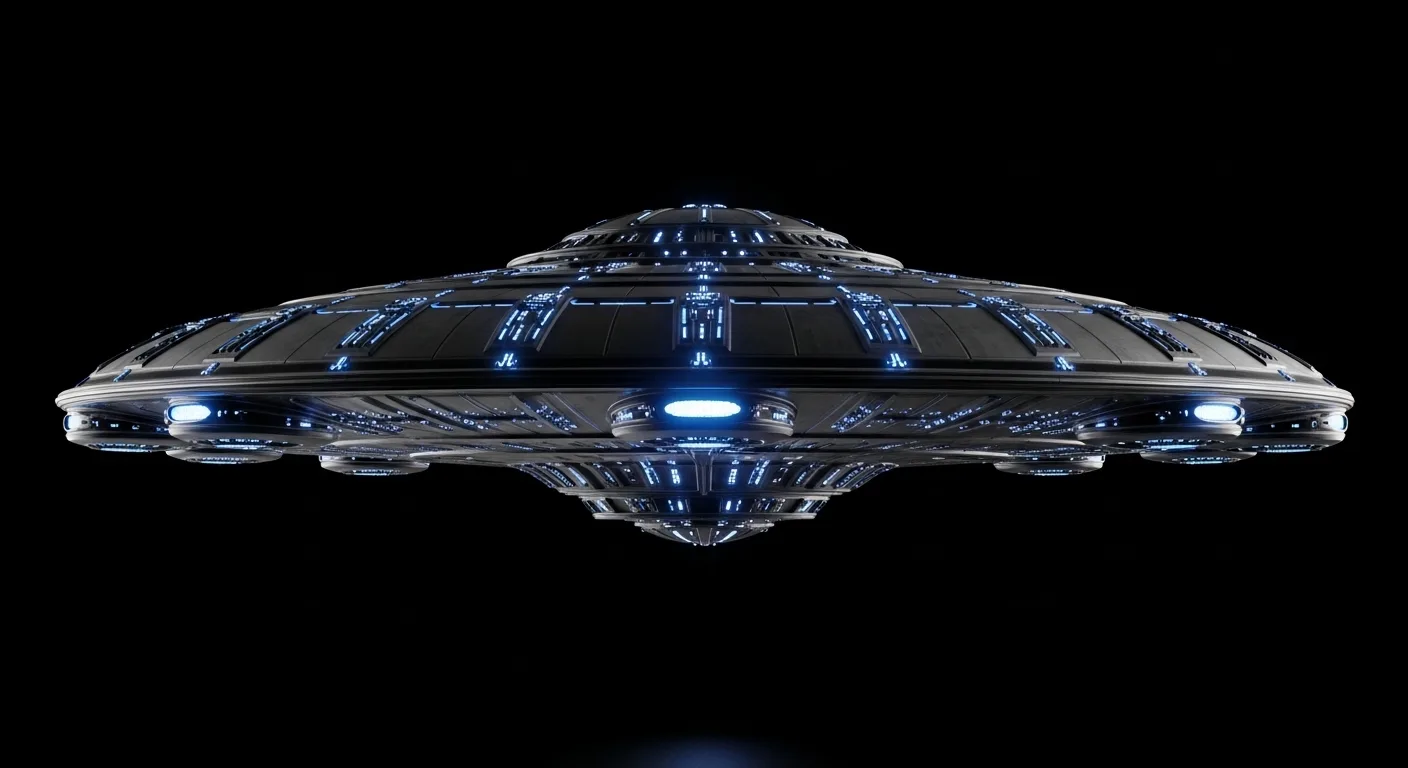
According to Reverend Holt, Hull invited him to Washington with the intention of showing him something remarkable. The atmosphere surrounding the meeting was one of strict confidentiality, and a clear trust existed between the family members. Holt then led him to the U.S. Capitol Building, specifically to a secret sub-basement level, an area not publicly known or accessible. Within this secure location, Holt described seeing four large glass jars, each containing what he believed were preserved creatures - non-human beings. Alongside these specimens, there was the wreckage of a recovered craft, suggesting a crash recovery and subsequent storage.
Holt described the creatures contained within the jars as being in preservation fluid, exhibiting non-human anatomy, and of an unclear size. Multiple specimens were reportedly present, and their condition appeared intact. The implications of this discovery, if true, would be astounding: a recovered non-human being, government possession predating 1939, multiple specimens, and the use of a preservation technology, alongside a long-term storage plan.
Furthermore, wreckage of a vehicle was reportedly present, associated with the bodies and implying a crash recovery. The origin of the craft remained unknown, and questions arose regarding its recovery location, the precise timing of the crash, the craft’s appearance, and the extent of the wreckage.
The story hinges on the testimony of Reverend Holt, a Methodist minister with a long career and no history of fabrication. He told the story to his family over the years, detailing it in considerable depth before his death. There was no apparent profit motive driving his account, and his religious background suggests he may have been clearing his conscience.
Despite Holt’s credibility and the intriguing timing, several factors raise skepticism. The account is entirely based on second-hand testimony that emerged decades later, and to date, no corroborating evidence has been found. The claim itself is extraordinary, and its verification is impossible. Cordell Hull himself never spoke publicly about the incident, and no documents from him exist to substantiate the story. The single degree of separation – through his cousin – makes direct confirmation unattainable.
The historical context of 1939 America adds another layer of complexity. The eve of World War II, government expansion, military buildup, increasing secrecy, and the proliferation of classified programs created an environment conducive to extraordinary claims. The fact that the alleged encounter occurred before Roswell, before “flying saucer” hysteria, before the cultural fixation on UFOs, and before the establishment of a modern UFO research era, makes the claim particularly compelling, though also more difficult to assess.
The claim fits within a pattern of other claims related to DC – underground facilities, secret storage areas, government secrets, and hidden history. It also aligns with emerging narratives concerning the Grusch testimony of 2023 and other pre-Roswell recoveries, government possession claims, and reports of long-term storage.
Holt emerged with his account over many years, and his detailed recollections, revealed prior to his death, offered no clear motive for fabrication. His credibility rested on his long career as a respected minister, his lack of a history of fabrication, and the familial trust placed in his account.
If the story were true, it would imply that the U.S. had non-human specimens predating World War II, multiple crash recoveries, a long-term preservation program, and high-level knowledge of extraterrestrial life. Conversely, if false, the possibilities include misremembered events, embellishment over time, a complete fabrication, misidentification of evidence, or the growth of a family legend.
Ultimately, the question remains: did the United States Secretary of State show his cousin alien bodies hidden beneath the Capitol Building in early 1939? The answer remains elusive, a captivating, unproven, and unexplained episode in the history of UFOs.
Sources
- Chronicling America (Library of Congress) — Historic US newspaper coverage (1690–1963)
- Chronicling America — Historic US newspapers (1690–1963)