The British Phantom Airship Panic of 1912-1913
A wave of mysterious airship sightings swept Britain in the months before World War One. Witnesses reported torpedo-shaped craft with powerful searchlights, assumed to be German Zeppelins - but no evidence of German activity was ever found.
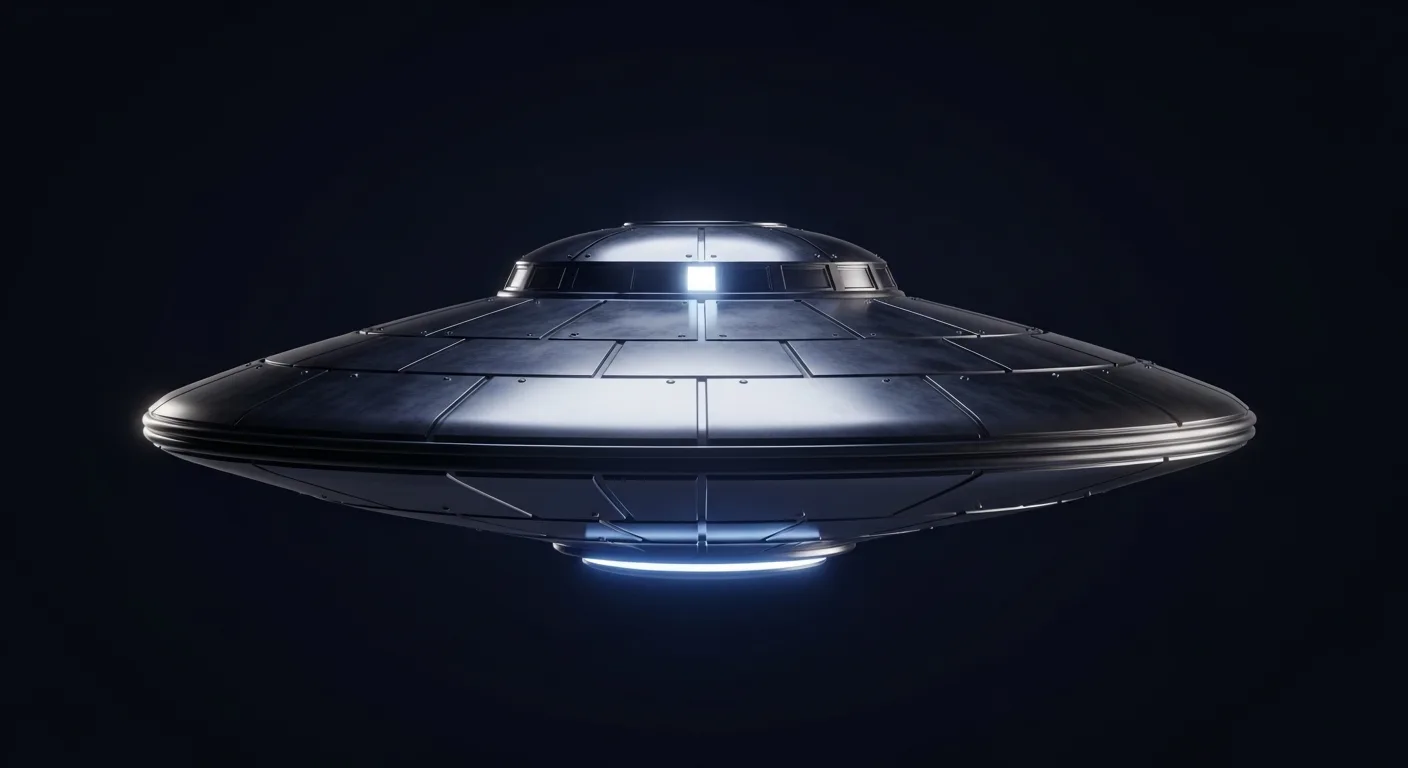
The British Phantom Airship Panic of 1912-1913
In the autumn of 1912 and continuing into early 1913, a wave of mysterious airship sightings gripped the British public. From the Royal Navy dockyard at Sheerness to towns across Lancashire, Yorkshire, Wales, and the southeast, witnesses reported torpedo-shaped craft with powerful searchlights traversing the night skies. The sightings were widely attributed to German Zeppelins conducting reconnaissance missions – reflecting the growing pre-war anxieties about German military capabilities. However, no evidence of German airship activity over Britain was ever found.
The initial reaction to these reports was immediate and widespread. The public assumed the sightings were indicative of German reconnaissance missions, fuelled by rising pre-war tensions and the known development of German Zeppelins. The Navy took these reports seriously, fearing potential attacks on naval bases and heightened by the anxieties surrounding strategic reconnaissance. Media coverage was extensive, further amplifying public concern and contributing to a general atmosphere of fear.
The panic spread geographically, with major areas affected including Lancashire, Yorkshire, Wales, and the southeast England, particularly concentrated around Liverpool to Hull. A notable concentration was observed in Cardiff, with multiple separate visits, multiple witnesses per incident, consistent descriptions, and the presence of searchlight activity, generating significant public alarm. Another cluster emerged in Selby, in February 1913, with approximately a dozen sightings on nights of the 21st and 22nd, creating a localized cluster with multiple independent witnesses and consistent descriptions.
Numerous eyewitness accounts emerged across the country, providing detailed descriptions of the observed craft. Witnesses typically reported torpedo or cigar-shaped objects, predominantly dark in color, equipped with searchlights and operating silently or with quiet operation, primarily during nighttime appearances and exhibiting deliberate movement patterns. Notably, the powerful beams of the searchlights were a distinctive feature, often directed downward, illuminating the ground and sweeping across areas with greater brightness than expected.
The public quickly assumed that the craft were German Zeppelins, based on the existing pre-war tensions, Germany’s advancements in Zeppelin technology, and fears of invasion. The Royal Navy initially took the reports seriously, investigating the possibility of German reconnaissance missions targeting naval bases like Sheerness. However, a critical issue arose: no evidence of German airship activity was ever found. Operational range limitations, weather constraints, the lack of any diplomatic acknowledgment, and technical impossibilities rendered the presence of German Zeppelins unlikely.
The government responded to the reports with initial seriousness, initiating military investigations, but ultimately failed to identify any German craft. The mystery remained unsolved, and the panic eventually subsided as rational explanations were sought. The phenomenon had a significant impact on public perception, contributing to a widespread sense of anxiety and a heightened fear of invasion.
The events leading up to the 1912-1913 sightings were characterized by pre-war anxiety, including Anglo-German naval rivalry, an intensifying arms race, and widespread invasion fears. The development of German airships, while limited in range in 1912 and challenging for round-trip flights to Britain, represented a significant technological advancement. This wave of sightings mirrored similar earlier occurrences, such as the 1909 British Scareship Wave, the 1909 New Zealand Wave, and sightings in Australia in 1909, all of which remained unexplained.
During the height of the sightings, a mass observation occurred in Hull, with a significant number of witnesses reporting consistent descriptions, reflecting a broader wave of sightings. Similarly, a geographic pattern was observed along the Liverpool-Hull corridor, targeting industrial centers and military installations, raising suspicions about strategic implications.
Ultimately, the objects could not have been German Zeppelins due to range limitations, nor could they have been British aircraft, as no matches were found. Weather phenomena were ruled out due to the consistency of the sightings, and mass delusion was dismissed due to the sheer number of independent witnesses. The sightings also weren’t the result of hoaxes, given their widespread nature.
Possible explanations included unknown natural phenomena, secret British experiments, genuine unexplained craft, something beyond explanation, or early Unidentified Aerial Phenomena (UAP) encounters.
The war arrived in August 1914, and real German air raids soon followed, utilizing Zeppelins to attack Britain, beginning in 1916. However, the phantom airships of 1912-1913 remained unexplained, a legacy of the panic, contributing to war anxiety, establishing a pattern for future wave sightings, and never officially explained, becoming a part of UFO history and a precursor to WWI aerial phenomena.
The question remains: in the months before the Great War, something flew over Britain. Torpedo-shaped craft. Searchlights. Night operations. The public blamed Germany. The assumption was obvious – Zeppelins testing British defenses, mapping military installations, preparing for war. But Germany denied it. And the evidence supported the denial. German airships couldn’t reach Britain in 1912. The range wasn’t there. The technology wasn’t ready. The round-trip was impossible. So what were thousands of British witnesses seeing?
Sources
- The National Archives, Kew — UK historical records
- British Newspaper Archive — UK press archive