Colares Chupa-Chupa Attacks
Residents of this Brazilian island reported being attacked by beams of light that burned skin and extracted blood. The military's Operation Prato documented hundreds of injuries and deaths.
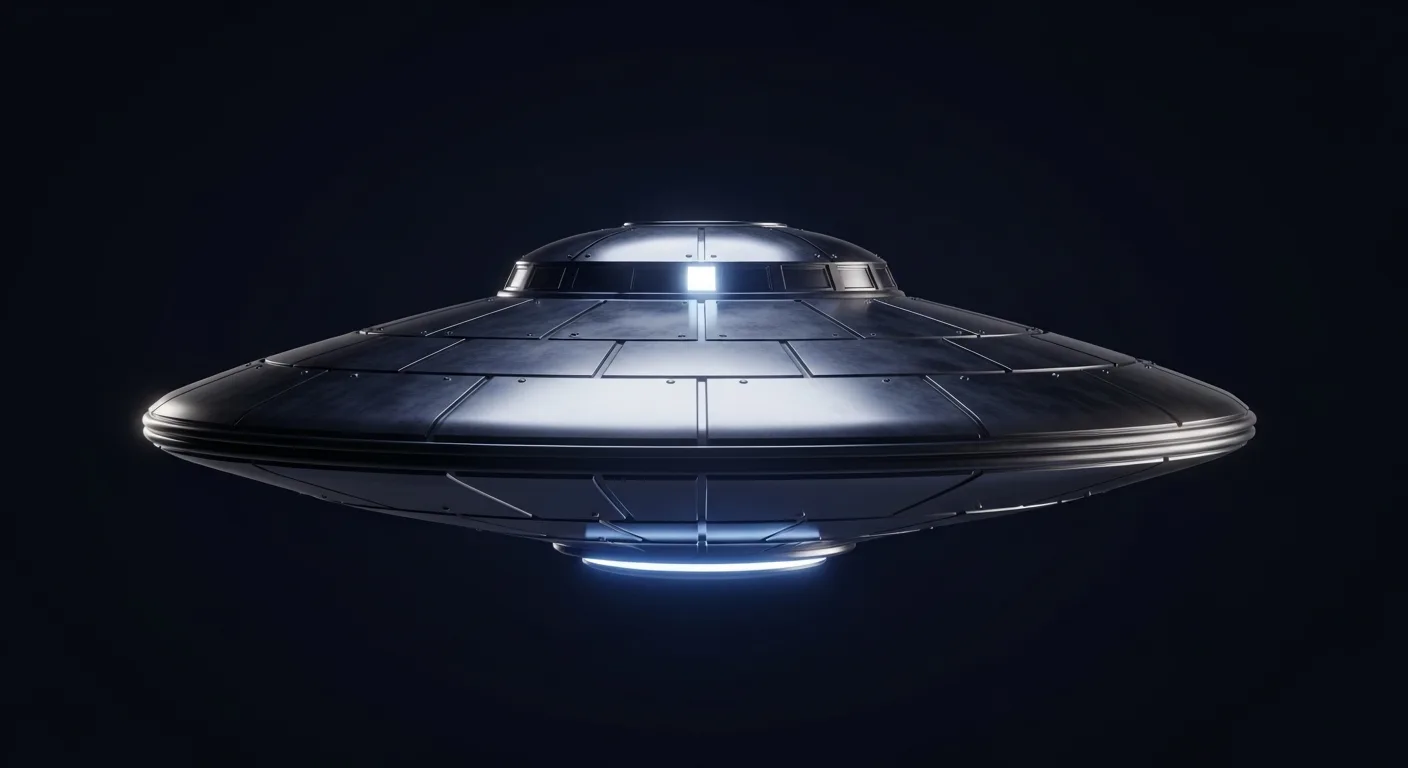
In the autumn of 1977, something began terrorizing the residents of Colares, a small fishing island in the Amazon delta of northern Brazil. Night after night, brilliant lights appeared in the sky above the island and directed concentrated beams of energy at people below, leaving burns, puncture wounds, and symptoms resembling radiation exposure. Victims reported paralysis, searing pain, and the sensation that something was being extracted from their bodies—their blood, their energy, their very life force. The islanders called the phenomena “chupa-chupa,” meaning “sucker-sucker,” and the name captured their terrified conviction that the lights were feeding on them. The panic grew so severe that the Brazilian Air Force dispatched a military investigation team to the island—Operation Prato—which spent four months documenting one of the most disturbing UFO waves in recorded history. The officers photographed the objects, interviewed hundreds of witnesses, and examined the injured. Their commander, Captain Uyrange Hollanda, emerged from the experience a changed and haunted man. Two decades later, shortly after finally going public with what he had witnessed, Hollanda was found dead. The circumstances of his death remain as disturbing as the events he investigated.
The Island at the Edge of the World
To understand the Colares events, one must first understand the isolation and vulnerability of the community they afflicted. Colares is a small island in the Bay of Marajo, at the mouth of the Amazon River in the state of Para. In 1977, it was home to a few thousand people, almost all of them subsistence fishermen and their families. The island had no paved roads, limited electricity, no telephone service, and was accessible only by boat. The nearest significant town, Belem, the state capital, lay across miles of open water.
The people of Colares lived close to the rhythms of the natural world—fishing by day, sleeping by night in simple houses with thatched or tin roofs and open windows to catch the breeze in the tropical heat. They were not sophisticated urbanites versed in the language of UFOs and close encounters. They were practical, hardworking people whose lives revolved around the tides, the weather, and the daily struggle to feed their families. When the lights came, they had no framework for understanding them and no resources for defending against them.
The island’s physical characteristics may have contributed to its vulnerability. Surrounded by water, flat, and largely devoid of tall structures, Colares offered no shelter from something approaching from above. The warm, humid air of the Amazon delta created atmospheric conditions—mist, haze, reflected moonlight on water—that may have amplified the visual impact of any luminous phenomena. And the isolation that defined the islanders’ way of life meant that when the attacks began, there was no one to call, nowhere to run, and no authority capable of providing immediate assistance.
The Lights Arrive
The first reports of unusual lights over Colares began in the late summer and early autumn of 1977, though the exact timeline of the initial sightings is difficult to establish with precision due to the community’s limited record-keeping and the gradual escalation of activity. Fishermen returning from night fishing expeditions reported seeing bright, unfamiliar lights moving over the bay—lights that behaved unlike any aircraft or natural phenomenon they had previously observed. These lights changed color, hovered motionless for extended periods, and sometimes descended toward the water before rising again and departing at speed.
At first, the lights were merely unusual—a curiosity discussed among families and in the small gathering places where the islanders socialized. But as the weeks passed, the phenomena intensified and took on a character that transformed curiosity into terror. The lights began approaching the island directly, moving over the settlement at low altitude, and most disturbingly, directing concentrated beams of light at individuals on the ground.
The first reported attacks generated confusion and fear but not yet the mass panic that would follow. Victims described being struck by a beam of intensely bright light—often described as white or blue-white—that seemed to target them specifically. The beam produced an immediate sensation of intense heat and paralysis, as though the victim had been simultaneously burned and immobilized. The experience lasted seconds to minutes before the beam withdrew and the light departed, leaving the victim shaken, injured, and struggling to comprehend what had happened.
As the attacks multiplied, patterns emerged. The beams seemed to target women more frequently than men, though male victims were by no means rare. The attacks most commonly occurred at night, when victims were sleeping or resting in their homes, though daytime incidents were also reported. The lights approached from various directions and at various altitudes, sometimes hovering directly overhead, sometimes passing at an angle that sent the beam through windows and doorways.
The Injuries
The physical evidence left by the chupa-chupa attacks distinguishes this case from the vast majority of UFO encounters, in which the phenomena are witnessed but leave no tangible trace. At Colares, the traces were inscribed on human bodies.
Medical professionals who examined attack victims documented a consistent pattern of injuries. The most common were burns—round or oval marks on the skin, typically on the chest, neck, or arms, with the appearance of having been caused by a focused heat source. The burns were distinctive, with clear, defined edges rather than the gradual gradation typical of thermal burns from ordinary sources. Some physicians described the marks as resembling radiation burns rather than heat burns, noting a quality of tissue damage that was difficult to reconcile with any conventional burning mechanism.
In addition to the burns, many victims displayed puncture marks—small, regular holes in the skin, sometimes in pairs, at or near the site of the burns. These punctures were tiny, often barely visible without close examination, and they led to the most disturbing hypothesis about the attacks. Victims consistently reported the sensation that something was being drawn from their bodies during the encounters—a draining feeling, as though their blood or vitality was being extracted through these minute openings. Medical examination of some victims revealed signs of anemia, with reduced red blood cell counts that developed in the days following the attacks.
The paralysis reported by victims was also well-documented. People struck by the beams described being unable to move for the duration of the exposure, as though their voluntary muscular control had been suspended. This paralysis was complete—victims could not speak, could not cry out, could not even blink. When the beam withdrew, motor function returned gradually, sometimes over a period of minutes. The mechanism by which a beam of light could induce temporary paralysis in a human being remains entirely unexplained.
Some victims experienced longer-term effects. Headaches, dizziness, and fatigue persisted for days or weeks following attacks. A few victims reportedly suffered neurological symptoms—numbness in extremities, difficulty concentrating, changes in sleep patterns. And in the most extreme cases, deaths were attributed to the attacks, though the causal relationship between the light encounters and the fatalities was never established with medical certainty. Some deaths appeared to result from heart failure induced by extreme fear, while others involved symptoms that doctors could not readily explain.
The Panic
As the attacks continued through October and November 1977, the island of Colares descended into a state of collective terror that is difficult to overstate. The phenomena were not abstract or distant—they were happening to real people, to neighbors and family members, leaving visible injuries and creating a pervasive atmosphere of helplessness and dread.
The islanders organized night watches, groups of men who would stay awake through the dark hours, armed with whatever they had—machetes, clubs, the occasional firearm—and maintaining bonfires that they hoped would deter the lights. The bonfires became a nightly ritual, clusters of flame dotting the island as communities huddled together for mutual protection against something they could not fight and barely understood.
Women and children were moved to the interiors of the most solidly built structures, away from windows and doors through which the beams might enter. Some families abandoned their homes entirely, fleeing to relatives in Belem or other communities on the mainland. The fishing economy, the lifeblood of the island, suffered as men refused to go out on the water at night—the lights were particularly active over the bay, and the open boat of a fisherman offered no protection at all.
The psychological toll was severe. People who had been attacked lived in constant fear of a repeat encounter. Those who had not been attacked feared they would be next. Sleep deprivation became epidemic as the population tried to stay awake through the dangerous night hours, leading to exhaustion, irritability, and a deterioration of social cohesion. The island’s limited medical resources were overwhelmed by the volume of people seeking treatment for injuries, anxiety, and the various stress-related complaints that accompanied weeks of sustained terror.
Reports of deaths—whether directly from the attacks or from the stress they induced—added a dimension of mortal urgency to the crisis. The exact number of fatalities attributed to the chupa-chupa is disputed, with estimates ranging from a handful to several dozen. Some researchers believe that heart attacks and other stress-related deaths among the elderly and vulnerable should be counted among the casualties of the phenomena, even if the lights did not directly cause them. Whatever the precise toll, the people of Colares believed they were under attack by something that could kill them, and this belief shaped their response.
Operation Prato
The situation on Colares became serious enough to attract the attention of the Brazilian Air Force. In November 1977, the military dispatched a team to the island under the command of Captain Uyrange Hollanda Lima, a career officer with no prior involvement in UFO investigation. The operation was designated “Operation Prato” (Operation Plate, a reference to the disc-shaped objects reported by witnesses), and its mandate was to investigate the phenomena, document what was occurring, and assess whether it posed a threat to the population.
Hollanda arrived on Colares with a small team that included photographers, technicians, and intelligence officers. They brought camera equipment, including still cameras and film movie cameras, along with various detection instruments. What they found upon arrival exceeded their expectations. The phenomena were not vague or intermittent—they were ongoing, frequent, and visible to anyone who cared to look.
Over the following four months, Operation Prato compiled an extraordinary body of evidence. The team produced over five hundred photographs of luminous objects over the island and the surrounding waters. They shot hours of film footage documenting the lights in various configurations and behaviors. They conducted hundreds of interviews with witnesses, recording detailed accounts of sightings and attacks. They examined victims’ injuries and consulted with medical professionals about the nature of the physical evidence.
The photographs and film captured by Operation Prato show a variety of luminous objects in the skies over Colares. Some appear as simple points of light, similar to what might be explained as stars or aircraft. Others show structured objects with defined shapes—discs, cylinders, and more complex geometries—that resist conventional explanation. The images were taken under field conditions with military equipment, and while they do not have the resolution of modern digital photography, they represent a substantial body of instrumental evidence captured by trained military personnel.
Hollanda and his team also witnessed the phenomena firsthand. The captain himself reported observing luminous objects on multiple occasions during his time on Colares, sometimes at close range. These personal observations transformed Hollanda from a skeptical military investigator into a man who was convinced that something genuinely anomalous was occurring. The experience would mark him for the rest of his life.
Captain Hollanda’s Burden
Uyrange Hollanda emerged from Operation Prato as a man caught between what he had witnessed and what his institutional obligations required him to say about it. The operation’s findings were classified by the Brazilian Air Force, and Hollanda was bound by military discipline to maintain silence about the details of the investigation. For nearly twenty years, he said nothing publicly about what he had seen and documented on Colares.
The burden of that silence appears to have weighed heavily. Hollanda was, by all accounts, profoundly affected by his experiences during Operation Prato. He had arrived as a professional soldier conducting a routine investigation and had encountered something that challenged his understanding of reality. The injuries he had documented were real. The terror of the population was genuine. The objects he had photographed were not conventional aircraft or natural phenomena. And yet he was required to file his reports, classify them, and speak of them to no one.
In 1997, two decades after Operation Prato, Hollanda finally broke his silence. In a series of interviews with Brazilian UFO researchers, he confirmed the essential facts of the investigation—the photographs, the film footage, the witness interviews, the physical evidence of injuries. He described his own sightings in detail and expressed his conviction that the phenomena were real, unknown, and beyond conventional explanation. He shared some of the photographs from the operation, providing visual evidence that had been locked in military files for twenty years.
The interviews were revelatory, providing the first detailed insider account of a military investigation into a UFO wave that had left physical evidence of harmful interactions with humans. Hollanda’s testimony was measured and specific, bearing the hallmarks of a military officer accustomed to precise reporting rather than a sensationalist seeking attention.
Shortly after these interviews were conducted, Hollanda was found dead. The official ruling was suicide by hanging. The timing—coming so soon after his public revelation of classified material—has fueled speculation about the circumstances of his death, though no evidence of foul play has been established. Whether Hollanda took his own life under the psychological weight of what he had experienced and revealed, or whether his death was connected to his disclosure of classified information, remains one of the most troubling unanswered questions surrounding the Colares case.
The Evidence in Context
The Colares chupa-chupa wave is unique in UFO history for several reasons that elevate it above the majority of reported incidents. It involved not merely sightings of anomalous objects but harmful physical interactions between those objects and human beings, leaving documented injuries that were examined by medical professionals. It prompted an official military investigation that produced hundreds of photographs, hours of film, and extensive written documentation. And it affected an entire community over a sustained period, with witnesses numbering in the thousands.
The military documentation is particularly significant. Operation Prato was not a civilian investigation conducted by enthusiasts with limited resources; it was an official military operation conducted by trained personnel with government equipment and institutional backing. The photographs, films, and reports produced by the operation constitute a body of evidence that is difficult to dismiss as the product of mass hysteria, misidentification, or fabrication.
The physical injuries documented during the wave add another dimension that most UFO cases lack. Burns, puncture wounds, and anemia are tangible, measurable medical conditions that can be examined and documented by physicians. While the cause of these injuries remains unexplained, their existence is not in dispute—medical records from the period confirm that residents of Colares suffered unusual injuries consistent with the attacks they described.
The Skeptical Perspective
Skeptical researchers have proposed several explanations for the Colares events, none of them entirely satisfying. Mass hysteria is the most commonly cited alternative hypothesis—the idea that a small, isolated community, primed by initial unusual sightings, spiraled into a collective panic in which ordinary phenomena were interpreted as attacks and psychosomatic symptoms were experienced as genuine injuries.
This explanation accounts for some aspects of the case, particularly the escalating terror and the social dynamics of a community under stress. Mass psychogenic illness is a well-documented phenomenon in which groups of people develop genuine physical symptoms in response to perceived threats that may not exist. The spread of fear through a close-knit community like Colares could conceivably produce a cascade of reported symptoms and injuries.
However, the mass hysteria hypothesis struggles with several elements of the Colares case. The burns and puncture wounds documented by physicians were not psychosomatic—they were visible, tangible injuries with characteristics inconsistent with self-infliction or ordinary causes. The military photographs show objects in the sky that cannot be explained as the products of group delusion. And the sheer scale of the phenomenon—thousands of witnesses, hundreds of injuries, months of sustained activity—strains the explanatory capacity of mass hysteria beyond its usual limits.
Misidentification of natural phenomena—ball lightning, atmospheric plasmas, or astronomical objects—has also been proposed but fails to account for the directed beams, the physical injuries, and the structured appearance of the objects documented in photographs.
A Wound That Has Not Healed
Nearly five decades after the events of 1977, the Colares chupa-chupa wave remains one of the most disturbing episodes in the history of anomalous phenomena. It challenges the comfortable assumption that UFO encounters, whatever their nature, are fundamentally benign—that the objects in our skies may be mysterious but are not dangerous. At Colares, people were hurt. They were burned, punctured, drained, and terrified over a period of months by phenomena that defied understanding and against which they had no defense.
The Brazilian government’s files on Operation Prato were partially declassified in the 2000s, but much of the material remains restricted. The full photographic archive, the complete film footage, and the detailed technical assessments produced by Hollanda’s team have never been publicly released. Whatever additional information these files contain—whatever conclusions the Brazilian Air Force reached about the nature of the phenomena—remains locked behind the institutional silence that has characterized the official response to the Colares events from the beginning.
The people of Colares have moved on, as people do. The island has changed since 1977—more connected, more developed, less isolated than it was when the lights came. But the memories persist. The older residents who lived through the attacks carry their experiences with them, and the stories are passed to younger generations as part of the island’s collective history. The bonfires that once burned nightly on the beaches are gone, but the fear they represented has not entirely faded.
Something came to Colares in the autumn of 1977. It came from the sky, it directed beams of light at human beings, and it left marks on their bodies that doctors could examine but not explain. The Brazilian military investigated, documented, and classified what it found. Captain Hollanda lived with the knowledge of what he had witnessed for twenty years before finally speaking, and then he died. The lights departed as mysteriously as they had arrived, leaving behind an island full of scars—on the skin, on the psyche, and on the historical record—that time has not erased.
Sources
- CIA UFO/UAP Reading Room — Declassified CIA documents on UAP