Colares UFO Flap
In 1977, the island of Colares in northern Brazil experienced a terrifying UFO flap. Residents reported being attacked by beams of light from aerial objects that left burn marks and caused illness. The Brazilian Air Force launched Operation Saucer, documenting hundreds of reports and collecting photographs. Witnesses called the objects 'chupa-chupa' (sucker-sucker) believing they drained blood from victims.
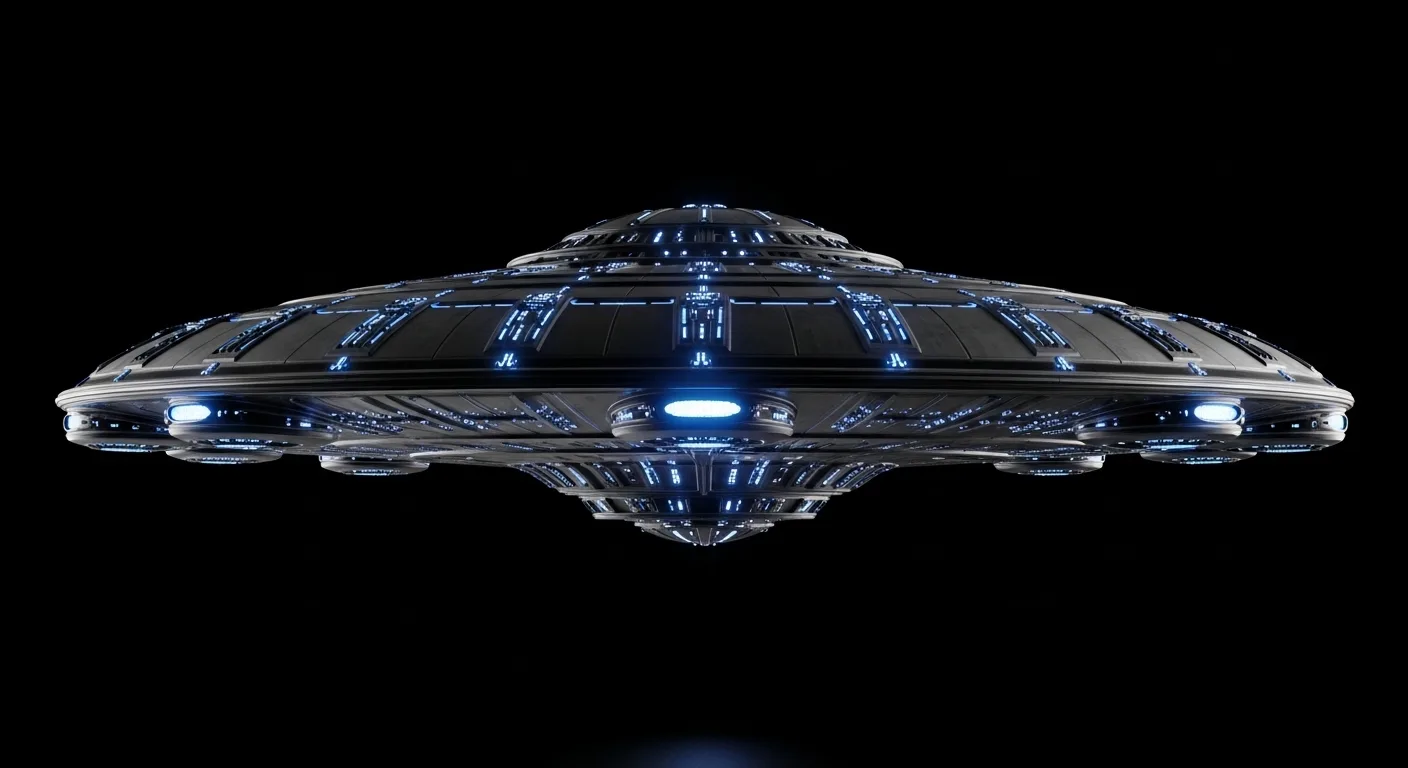
The Colares UFO flap of 1977 is one of the most disturbing and well-documented UFO events in history. For months, residents of this Brazilian island reported being attacked by lights from the sky that left burns and caused illness. The terror was so great that the Brazilian Air Force launched a full investigation. The resulting files, released decades later, confirmed hundreds of reports and included photographs of victims’ injuries.
1977
The flap terrorized Colares for months: The location was Colares, an island in the Amazon River delta in Pará State, northern Brazil. The community was a small fishing community of several thousand people. The events peaked from August through December 1977. The scale of the events involved hundreds of residents reporting encounters.
The Attacks
Residents reported being targeted by lights: Witnesses described strange luminous objects appearing over the island at night. These objects shot beams of light at people, often in their homes. Victims reported burns, puncture wounds, and weakness. The targeting seemed to be focused on women more frequently than men. The community was gripped by terror.
The Objects
Witnesses described various craft: Witnesses reported seeing cylindrical, spherical, and disc-shaped objects. These objects varied in size, from small probe-like objects to larger craft. Intense, focused beams of light emanated from the objects. The objects appeared to systematically search the area and moved at varying speeds, sometimes hovering.
“Chupa-Chupa”
The locals gave the phenomenon a name: The name was “Chupa-Chupa,” which translates to “Sucker-sucker” in Portuguese. Residents believed the lights were draining their blood. Victims showed marks consistent with blood being drawn. Many victims experienced symptoms of blood loss. The name reflected the community’s fear of a predatory phenomenon.
Physical Effects on Victims
The injuries were documented: Many victims showed burn marks on exposed skin. Small puncture wounds were commonly reported. The marks often appeared in specific patterns. Victims reported dizziness, weakness, and headaches. Some victims required hospitalization.
Operation Saucer (Operação Prato)
The Brazilian Air Force responded: The Air Force launched a formal investigation. A team was sent to Colares to document the events. The investigation lasted approximately four months. They interviewed witnesses, photographed injuries, and observed the phenomena. Hundreds of pages of reports and photographs were compiled.
Captain Uyrangê Hollanda
The officer in charge had a dramatic experience: Captain Hollanda led Operation Saucer. He reported witnessing the UFOs himself. His team took photographs of the objects. After retirement, he spoke publicly about the investigation. Hollanda committed suicide in 1997, shortly after going public.
The Military’s Findings
The declassified files revealed: The Air Force confirmed something unusual was occurring. Investigators found the witnesses credible. The documented injuries were real. No conventional explanation was offered in the official files. The files were classified for decades before release.
Witness Testimony
Hundreds of people reported experiences: Witnesses from across the island reported similar phenomena. Many described the worst fear of their lives. Their injuries corroborated their accounts. Some victims reported ongoing health problems.
The Community Response
Colares tried to protect itself: Residents organized groups to watch for the lights. People built bonfires, believing the objects avoided light. Some residents temporarily fled the island. Religious services were held to combat the threat. The Air Force presence was initially welcomed.
Media Coverage
The events attracted attention: Brazilian newspapers covered the flap. UFO researchers worldwide took notice. The case has been featured in numerous documentaries. Researchers continue to study the case.
Skeptical Views
Some have questioned aspects of the case: Could mass hysteria explain the reports? Could some sightings be conventional aircraft or phenomena? Could the injuries have other causes? The military documentation argues against simple hysteria.
The Declassified Files
The released Operation Saucer documents are remarkable: Hundreds of pages of reports were compiled. Multiple photographs of UFOs and victim injuries were taken. These documents are considered government documents, not civilian claims. Some researchers believe not all files have been released.
Later Incidents
Colares continued to experience phenomena: Sightings continued in subsequent years. Nothing matched the terror of 1977 in terms of intensity. The broader Amazon region has ongoing UFO activity. Researcher interest in the area continues.
Legacy
The Colares flap matters because the Brazilian military officially investigated and documented the events. Hundreds of witnesses reported consistent experiences. Physical injuries were photographed and documented. The declassified files confirm official interest and investigation. It represents one of the most aggressive UFO encounters on record. Whatever descended on Colares in 1977 terrorized an entire community, left physical marks on hundreds of people, and prompted a military investigation that produced some of the most significant UFO documentation in history. The truth of what attacked that Brazilian island remains classified beyond all official files.
Sources
- CIA UFO/UAP Reading Room — Declassified CIA documents on UAP