The Colares UFO Attacks
Residents of a Brazilian island were attacked by UFOs that left burn marks and drew blood.
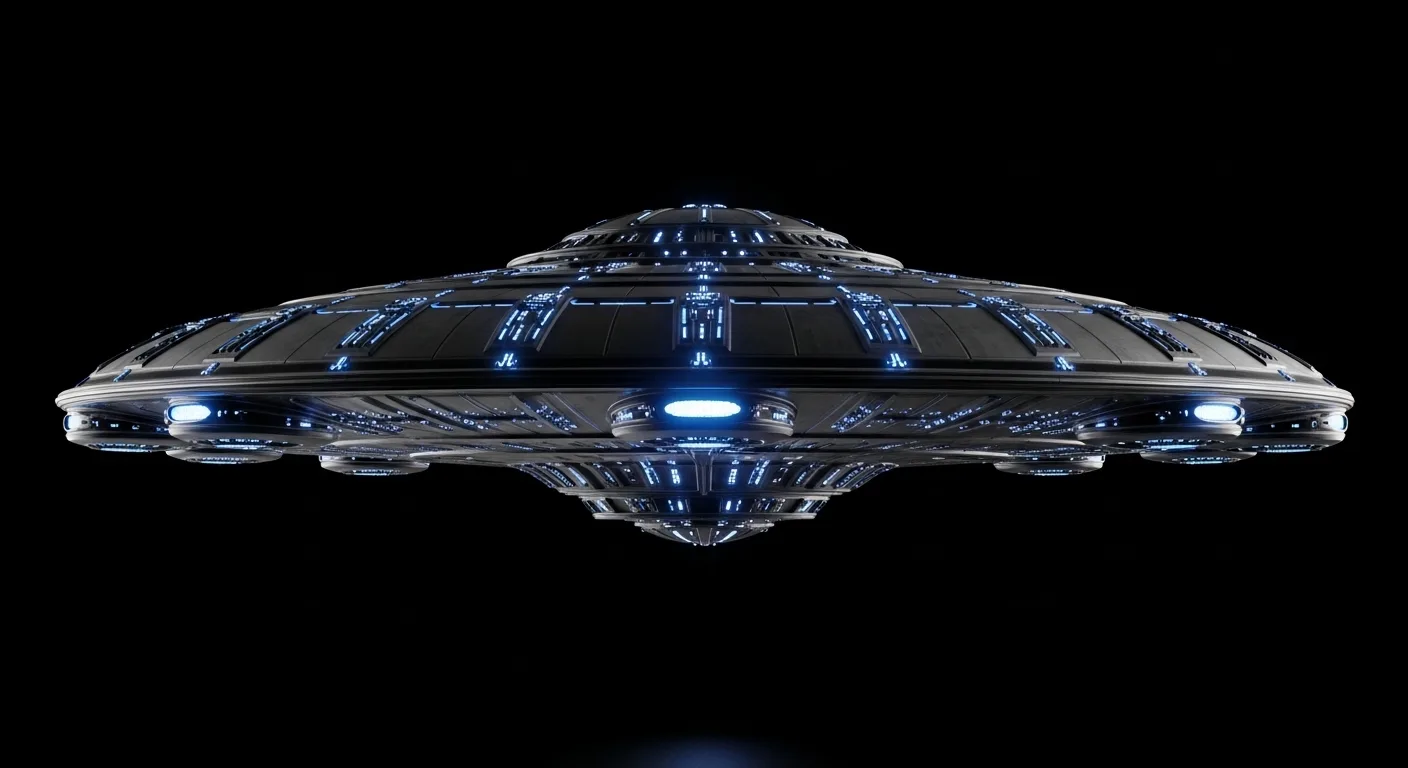
The island of Colares sits at the mouth of the Amazon River in the Brazilian state of Pará, a small fishing community of roughly two thousand souls connected to the mainland by nothing more than a few aging boats and the vast, dark waters of the Marajó Bay. In 1977, for reasons that remain unexplained nearly five decades later, this isolated community became the target of a sustained aerial assault unlike anything documented in the history of ufology. For months, luminous objects descended upon Colares and the surrounding villages, directing beams of light at residents that burned their skin, left puncture wounds, and appeared to extract blood from their bodies. The Brazilian Air Force investigated, witnesses numbered in the thousands, and the physical evidence left behind on the victims’ bodies gave the Colares incident a visceral, undeniable quality that sets it apart from the vast majority of UFO encounters on record.
An Island at the Edge of the World
To understand the terror that gripped Colares in 1977, one must first appreciate how remote and vulnerable this community was. The island lies in the northern reaches of Brazil, where the Amazon empties into the Atlantic through a labyrinth of channels, mangrove forests, and low-lying islands. In the late 1970s, Colares had no paved roads, no hospital, and only the most rudimentary electrical infrastructure. The residents were predominantly fishermen and subsistence farmers, people whose lives were governed by the tides and the seasons rather than by the rhythms of the modern world. Communication with the mainland was slow and unreliable. When something happened on Colares, the islanders were largely on their own.
This isolation meant that when the lights first appeared over the bay in late 1977, there was no one to call, no authority to summon, and no easy means of escape. The people of Colares were trapped on their island with whatever was visiting them from the sky, forced to endure night after night of phenomena that defied every framework they possessed for understanding the world. Their Catholic faith, their folk traditions, their practical knowledge of the natural environment—none of it offered any explanation for what was happening. The terror was compounded by helplessness, and the helplessness by the dawning realization that no one beyond the island seemed to care.
The surrounding region had its own history of unusual aerial phenomena. Fishermen along the northern coast of Brazil had long reported strange lights over the water, and indigenous communities in the Amazon basin possessed oral traditions describing luminous beings that descended from the sky. But nothing in local memory or mythology prepared the people of Colares for the intensity and violence of what began in October 1977.
The Attacks Begin
The first reports emerged from the smaller communities and fishing villages surrounding Colares before the attacks reached the island itself. In the weeks leading up to October, residents of settlements along the Marajó Bay began describing unusual lights in the night sky—bright, silent objects that moved with purpose and precision, hovering over houses and boats before accelerating away at impossible speeds. These initial sightings caused unease but not panic. Strange lights were not unknown in the region, and many residents initially attributed them to natural phenomena or military activity.
The situation changed dramatically when the lights began targeting people. Witnesses described a terrifyingly consistent pattern. An object would appear overhead, sometimes described as cylindrical, sometimes spherical, sometimes disc-shaped, but always luminous and silent. The object would hover over a house or a group of people, and then a beam of light would descend from it—not the diffuse glow of a searchlight but a focused, narrow beam that seemed almost solid, often described as white or greenish-white in color. When this beam struck a person, the effects were immediate and devastating.
Victims reported an instant sensation of paralysis. Their muscles locked, their limbs became immovable, and they were unable to cry out or flee. While immobilized, they felt an intense heat at the point where the beam contacted their skin, accompanied by a sharp, stabbing pain that some compared to a needle being driven deep into their flesh. The beam would remain fixed on them for periods ranging from a few seconds to several minutes, during which victims described feeling a sensation of suction, as though something were being drawn out of their bodies through the point of contact.
When the beam finally withdrew and the paralysis faded, victims were left with visible injuries. The affected area of skin displayed burn marks—round or oval lesions that resembled radiation burns, surrounded by reddened, inflamed tissue. More disturbing still, many victims exhibited what appeared to be puncture wounds at the center of these burns, small holes in the skin through which, some claimed, blood had been extracted. The marks were concentrated on the upper body—the neck, chest, and arms—leading some researchers to later speculate that the beams were targeting areas with major blood vessels close to the surface.
The locals gave the phenomenon a name that captured both its character and their dread: “chupa-chupa,” meaning “sucker-sucker.” The term referred to the apparent blood-drawing nature of the attacks and quickly spread throughout the region as more and more victims came forward with their injuries and their stories.
Dr. Wellaide Carvalho and the Medical Evidence
Among the most significant aspects of the Colares incident is the medical documentation provided by Dr. Wellaide Carvalho, the physician responsible for the health post on Colares Island. Dr. Carvalho was not a ufologist, not a paranormal enthusiast, not someone predisposed to extraordinary claims. She was a young doctor assigned to a remote posting, doing her best to serve a community with minimal medical resources. When patients began arriving at her clinic with unusual injuries, she approached them with clinical rigor and growing alarm.
Over the course of the flap, Dr. Carvalho treated approximately four hundred patients who presented with injuries they attributed to the chupa-chupa. She documented the wounds meticulously, noting their consistent characteristics: circular or oval burn marks, typically between two and five centimeters in diameter, often with puncture marks at the center. The burns resembled those caused by radiation exposure rather than thermal contact—the tissue damage extended below the surface of the skin in a pattern inconsistent with ordinary burns. Many patients also presented with symptoms of blood loss, including dizziness, weakness, pallor, and abnormally low hemoglobin levels, despite having no conventional wounds through which significant blood loss could have occurred.
Dr. Carvalho recorded two deaths that she attributed to the attacks. The victims, both women, had been struck by the beams and subsequently developed symptoms consistent with severe anemia and systemic shock. While skeptics have questioned whether these deaths might have had other medical explanations, Dr. Carvalho maintained throughout her career that the injuries she documented were unlike anything in her medical training and that the pattern of symptoms across hundreds of patients pointed to a single, consistent cause.
Her testimony carried particular weight because of her professional standing and her initial skepticism. She did not seek publicity, did not profit from her account, and continued practicing medicine in the region for years afterward. Her medical records, though incomplete and difficult to access, represent some of the most compelling physical evidence in the history of UFO research—documentation of injuries to human bodies that correspond precisely to the witnesses’ descriptions of how those injuries were inflicted.
Operation Saucer
As the attacks intensified and panic spread through the island communities, local authorities sent increasingly desperate communications to the mainland requesting assistance. The mayor of Colares pleaded for military intervention. Residents organized nightly vigils, building bonfires on the beaches and banging pots and pans in an attempt to frighten away the objects—measures that proved entirely ineffective. Some families abandoned their homes entirely, fleeing to the mainland or seeking shelter in the more populated areas of the island where they felt safer in numbers.
In November 1977, the Brazilian Air Force responded by launching Operation Saucer, known in Portuguese as Operação Prato. A team of military personnel under the command of Captain Uyrangê Hollanda was dispatched to the region with orders to investigate the reports and document whatever they found. The operation was classified from its inception, and the military personnel involved were instructed not to discuss their findings publicly.
What Captain Hollanda and his team encountered on Colares exceeded anything they had been prepared for. Rather than finding mass hysteria or misidentified natural phenomena, the military investigators observed the objects themselves. Night after night, the team witnessed luminous craft performing maneuvers over the island and the surrounding waters. They photographed the objects extensively, accumulating hundreds of images over the course of the operation. They interviewed witnesses, examined victims’ injuries, and compiled thousands of pages of reports and analysis.
The military observers described objects of various shapes and sizes. Some appeared as simple spheres of light, while others displayed more complex structures—cylindrical craft with luminous protrusions, disc-shaped objects with rotating lights, and larger vessels from which smaller objects seemed to emerge and return. The objects moved silently, displayed the ability to hover motionless, and could accelerate from a standstill to extraordinary speeds in moments. They appeared to be under intelligent control, responding to observation by changing course or altitude, and sometimes approaching the military observers directly.
The beams of light were witnessed by military personnel as well. Team members reported seeing the focused beams descend from hovering objects and strike buildings or terrain below. On at least one occasion, a beam was directed at the military team itself, though the accounts of what happened during that encounter vary. The experience profoundly affected the investigators, several of whom later spoke of feeling that they were dealing with a technology vastly beyond human capability.
Operation Saucer continued for several months before being abruptly terminated. The official files were classified, and the participating personnel were dispersed to other postings. For nearly two decades, the Brazilian military neither confirmed nor denied that the operation had taken place. The silence was nearly absolute, broken only by occasional leaks from personnel who felt that the public deserved to know what had been documented.
The Objects and Their Behavior
Witnesses across the Colares region described a range of craft that displayed consistent behavioral patterns despite their varied appearances. The most commonly reported were spherical or ovoid objects, typically described as luminous and relatively small—perhaps two to three meters in diameter. These appeared to be the primary vehicles responsible for the beam attacks on individuals, hovering at low altitude over houses and boats before directing their beams downward.
Larger craft were also observed, often at greater altitudes. These included cylindrical objects that witnesses compared to buses or railway carriages, moving horizontally across the sky with a slow, deliberate motion. Some witnesses reported seeing smaller objects emerge from these larger craft, descend to lower altitudes to conduct what appeared to be operations, and then return to the larger vessel before it departed. This behavior suggested a structured, hierarchical operation rather than random visitations.
The objects displayed a marked preference for nighttime activity, with the majority of sightings and attacks occurring between sunset and dawn. However, daytime sightings were not uncommon, and some attacks occurred in broad daylight, ruling out astronomical misidentifications or atmospheric phenomena as explanations. The objects showed no regard for weather conditions, appearing during clear skies and overcast periods alike.
Perhaps most unsettling was the apparent intentionality of the beam attacks. Witnesses consistently reported that the beams seemed to target specific individuals rather than sweeping randomly across an area. People who attempted to hide inside their homes reported beams penetrating roofs and walls to reach them. Those who fled were sometimes pursued, the beam tracking their movement across the ground. This purposeful targeting created a sense of predatory intelligence that was perhaps more frightening than the physical injuries themselves.
The Aftermath and Captain Hollanda
The attacks gradually diminished in frequency toward the end of 1977 and into early 1978, eventually ceasing almost as abruptly as they had begun. The people of Colares were left with their injuries, their trauma, and their unanswered questions. Life on the island gradually returned to something approaching normal, though the psychological scars endured for decades. Many residents continued to sleep with lights burning and refused to venture outside after dark, habits that persisted well into the following century.
The classified status of Operation Saucer’s findings meant that the victims received no official acknowledgment of what had happened to them. The Brazilian government neither confirmed the attacks nor offered any explanation. For the people of Colares, this silence compounded the trauma—they had been assaulted by unknown forces, investigated by their own military, and then abandoned to cope with the aftermath on their own.
The story might have remained buried indefinitely had it not been for the eventual willingness of some participants to speak. In 1997, Captain Uyrangê Hollanda, who had led Operation Saucer, gave an extensive interview to UFO researchers in which he confirmed the essential details of the investigation. He described the objects his team had observed, acknowledged the hundreds of photographs taken, and confirmed that the military had been unable to identify the craft or their origin. He spoke of the attacks on civilians and the inadequacy of any conventional explanation.
Hollanda’s interview was remarkable for its candor and for the evident emotional toll that the experience had taken on him. He spoke of feeling that the truth was being suppressed, that the people who had suffered deserved answers, and that his oath of secrecy conflicted with his sense of moral obligation. Shortly after giving the interview, in October 1997, Hollanda was found dead, officially ruled a suicide by hanging. The circumstances of his death fueled speculation about whether he had been silenced, though no evidence of foul play was ever established. Those who knew him described a man tormented by what he had witnessed and by his inability to reconcile it with his understanding of reality.
In 2004, the Brazilian Air Force partially declassified the Operation Saucer files, releasing a portion of the documentation to civilian researchers. The released materials confirmed that the operation had taken place, that military personnel had observed and photographed unidentified aerial objects, and that physical effects on the civilian population had been documented. However, significant portions of the files remained classified, and the released materials raised as many questions as they answered.
An Assault Without Explanation
The Colares UFO attacks occupy a singular position in the annals of ufology. Most UFO cases involve sightings—observations of unusual objects at a distance that leave no physical trace and rely entirely on witness testimony for their credibility. Colares is different. Here, the phenomena left marks on human bodies, marks that were documented by a physician with no agenda beyond treating her patients. Here, the military investigated and confirmed the presence of unknown craft. Here, an entire community experienced sustained contact over a period of months, with thousands of witnesses whose accounts corroborate one another in specific, verifiable detail.
The case resists the usual debunking strategies. Mass hysteria does not leave radiation burns. Misidentified planets do not draw blood. Weather balloons do not pursue fleeing victims with targeted beams of light. The consistency of the physical evidence, the number and diversity of the witnesses, and the military confirmation all point to something genuinely anomalous occurring on Colares Island in 1977.
What that something was remains an open question. The extraterrestrial hypothesis—that the objects were craft of non-human origin conducting some form of biological sampling—is the most popular explanation among UFO researchers but remains unproven. Other theories have been proposed, including secret military experiments, unknown natural phenomena, and interdimensional visitations, but none adequately accounts for all aspects of the case.
What is not in question is the suffering of the people of Colares. Whatever visited their island in 1977, it left them burned, bleeding, terrified, and forever changed. The chupa-chupa marks faded from their skin, but the memory of those months—the lights in the sky, the paralysis, the beams that came through walls and roofs to find them—never faded from their minds. Nearly fifty years later, elderly residents of Colares still speak of that year in hushed tones, still check the sky before venturing out at night, still carry in their bodies and their memories the evidence of an encounter that the wider world has largely forgotten but that they will never be able to explain away.
The Colares incident stands as a challenge to both believers and skeptics. It is too well-documented to dismiss and too strange to easily accept. It reminds us that the universe may contain phenomena that our current frameworks are simply inadequate to address, and that sometimes the most important evidence is written not in radar returns or photographs but in the scars left on human skin by forces we do not yet understand.
Sources
- CIA UFO/UAP Reading Room — Declassified CIA documents on UAP