Alien Compendium · Entities

Folkloric Beings, Giants and Ancient Visitors

Long before flying saucers, people described small folk, giants, water spirits and sky beings. This page gathers those older traditions next to modern UFO writing, because some authors treat them as the same phenomenon seen through different cultures.

We keep the two apart where we can. The folklore entries come from named traditions such as Irish, Icelandic, Mesopotamian and Hindu sources. The claim that any of them were extraterrestrial is a modern reading, and most historians reject it.

50 entries in 6 sections

Aquatic & Subterranean Beings

Illustrated depiction of USO Occupants
61

USO Occupants (Unidentified Submerged Objects)

Beings associated with underwater UFO activity reported throughout history. Ivan Sanderson documented USO phenomena extensively. Witnesses describe humanoid figures near or emerging from water-based craft. Puerto Rico's 'Laguna Cartagena' and the Puerto Rican Trench are hotspots. The concept suggests bases or civilisations beneath Earth's oceans.

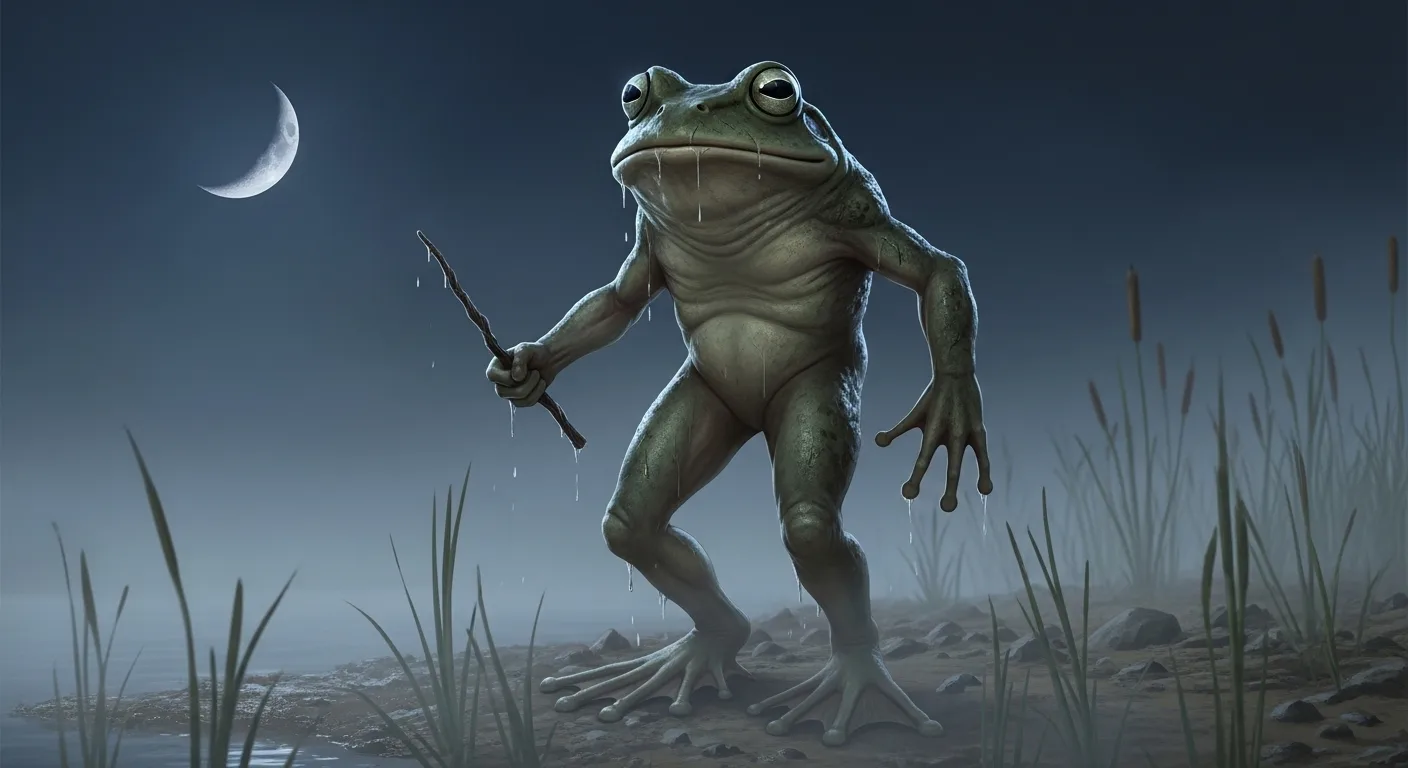
Upright bipedal frog creature holding a stick in a moonlit swamp with cattails
62

Loveland Frogmen (Ohio)

First reported in 1955 and again in 1972 near Loveland, Ohio. Described as 4-foot-tall bipedal frog-like creatures with leathery skin and webbed hands. The 1972 sightings by police officers gave the reports credibility. While often classified as cryptids, their humanoid nature and association with strange lights connect them to UFO entity reports.

Illustrated depiction of Inner Earth Beings
63

Inner Earth Beings

Various traditions describe civilisations within Earth, from the hollow Earth theory to underground bases. Admiral Byrd allegedly encountered advanced beings in Antarctica. Contactees describe Telos (beneath Mt. Shasta) and Agartha as underground cities. The Dulce Base conspiracy claims joint human-alien underground facilities in New Mexico.

Anthropomorphic toad-humanoid with staff in a misty swamp at night beneath a crescent moon
64

Mer-People/Aquatic Humanoids

Reported across cultures as mermaids, mermen, and water spirits. Modern reports include Zimbabwe's 'Mamlambo' and cases of humanoids emerging from lakes and oceans. Some propose aquatic aliens seeded these legends or that aquatic intelligent species evolved on Earth. The consistent cross-cultural reports suggest either a common source or an actual phenomenon.

Illustrated depiction of Cryptoterrestrials
65

Cryptoterrestrials

Proposed by researcher Mac Tonnies before his 2009 death, suggesting Earth hosts an indigenous intelligent species that has remained hidden. These beings could explain fairies, aliens, and other humanoids without requiring extraterrestrial origins. They might live underground, underwater, or in remote areas, observing humanity while remaining concealed.

Folkloric & Fairy Entities

Illustrated depiction of Traditional Fairies
66

Traditional Fairies (Sidhe/Fae)

Celtic traditions describe the Sidhe as beautiful, powerful beings living in another realm accessible through mounds, rings, and liminal spaces. Encounters included abductions, time displacement, and offspring replacement (changelings). Jacques Vallee's 'Passport to Magonia' (1969) demonstrated remarkable parallels between fairy abductions and modern alien encounters.

Illustrated depiction of Gnomes/Earth Spirits
67

Gnomes/Earth Spirits

Small humanoid beings associated with earth and underground spaces in European folklore. Modern encounters describe similar beings near UFO landing sites. The Cottingley Fairies case (1917) produced controversial photographs. Paracelsus classified them as earth elementals. Their small stature and underground nature connects them to Grey alien descriptions.

Illustrated depiction of Leprechauns/Little People
68

Leprechauns/Little People

Irish tradition describes small beings known for mischief, treasure, and granting wishes. Variations exist worldwide: Menehune (Hawaii), Duende (Latin America), Alux (Mayan), and Tommyknockers (miners' folklore). The consistency of 'little people' across cultures suggests either cultural exchange, psychological archetype, or genuine phenomena.

Illustrated depiction of Pukwudgie
69

Pukwudgie

Wampanoag tribal legend from Massachusetts describes small, troll-like beings with grey skin, large ears, and magical abilities. They're described as dangerous tricksters who can transform into animals and create fire. Modern sightings continue in the Freetown-Fall River State Forest. They share characteristics with both fairies and Grey aliens.

Illustrated depiction of Huldufólk
70

Huldufólk (Iceland)

Icelandic tradition maintains that hidden people ('Huldufólk') live in rocks and hills, appearing similar to humans but slightly different. Icelanders take these beings seriously, with construction projects rerouted to avoid disturbing their homes. The tradition represents a living folklore with ongoing encounters reported.

Giant Entities

Giant red-bearded warrior in armored tunic towering over Stonehenge with tiny people
71

Biblical Giants (Nephilim/Rephaim)

Genesis 6:4 describes Nephilim as offspring of 'sons of God' and human women. Interpreted by ancient astronaut theorists as alien-human hybrids. Various biblical passages mention giant races including Rephaim and Anakim. Some connect these to the Anunnaki and propose an ancient genetic manipulation program. Giant skeleton reports, though typically debunked, fuel these theories.

Giant red-bearded warrior in armored tunic towering over Stonehenge with tiny people
72

Patagonian Giants

16th-century European explorers reported encountering giants up to 12 feet tall in Patagonia, South America. Magellan's expedition (1520) described trading with giants. While later dismissed as exaggeration, the reports persisted for centuries. The Tehuelche people, while tall, don't explain the extreme height claims, suggesting either genuine encounters or elaborate myth-making.

Giant red-bearded warrior in armored tunic towering over Stonehenge with tiny people
73

Si-Te-Cah (Nevada Giants)

Paiute legends describe red-haired cannibal giants who once inhabited Nevada. The 1911 excavation of Lovelock Cave reportedly found giant skeletons and red-haired mummies, though mainstream archaeology disputes these claims. The legend persists in alternative history, connecting to theories about ancient advanced races in North America.

Giant red-bearded warrior in armored tunic towering over Stonehenge with tiny people
74

Quinametzin (Aztec Giants)

Aztec tradition describes a race of giants (Quinametzin) who built Teotihuacan and other ancient sites before being destroyed by natural catastrophe. The concept parallels flood myths worldwide where giants preceded current humanity. Archaeological evidence of abnormally large remains in Mesoamerica, though controversial, is cited by ancient astronaut theorists.

Giant red-bearded warrior in armored tunic towering over Stonehenge with tiny people
75

Titans/Fomorians/Jotun

Greek Titans, Irish Fomorians, and Norse Jotun represent giant beings in mythology, often preceding and opposing the gods. Some ancient astronaut theorists propose these legends preserve memories of an ancient giant race or large extraterrestrials. The worldwide prevalence of giant mythology suggests either cultural exchange or a common experiential basis.

Animal Hybrids & Chimeras

Illustrated depiction of Chupacabra
76

Chupacabra

First reported in Puerto Rico in 1995, described as a reptilian creature with spines, fangs, and an ability to drain blood from livestock. Some eyewitnesses describe a more alien appearance with large eyes and grey skin. The phenomenon spread across Latin America and the southwestern United States. Theories range from genetic experiments to extraterrestrial pets to misidentified animals.

Illustrated depiction of Goatman
77

Goatman (Maryland/Texas)

Reported since the 1950s around Beltsville, Maryland, and Texas. Described as a humanoid with goat features including horns, hooves, and fur-covered legs. Accounts vary between cryptid and supernatural interpretations. The creature allegedly attacks cars and stalks lovers' lanes. May represent modern faun/satyr sightings or an unknown species.

Illustrated depiction of Owl Man
78

Owl Man (Cornwall 1976)

First sighted in April 1976 near Mawnan Church, Cornwall, by two girls who described a large owl-like creature with red eyes and pincer-like claws. Multiple sightings continued through the 1970s-90s. Researcher Tony 'Doc' Shiels investigated. The creature resembles Mothman and connects to theories about owl symbolism in abduction experiences.

Illustrated depiction of Batsquatch
79

Batsquatch (Washington State)

Reported in the Mount St. Helens area since the 1980s. Described as a large, winged humanoid with blue or purple fur, red eyes, and bat-like features standing 9 feet tall with a 50-foot wingspan. Sightings increased after the 1980 volcanic eruption. Represents one of many winged humanoid reports from the Pacific Northwest.

Illustrated depiction of Thunderbirds
80

Thunderbirds

Native American legends describe enormous birds capable of creating storms. Modern sightings report pterodactyl-like creatures or birds with 15-20 foot wingspans. The 1977 Lawndale, Illinois case involved a large bird attempting to carry off a child. These reports connect to prehistoric survival theories and may relate to other flying humanoid phenomena.

Regional & Cultural Entities

Illustrated depiction of Chaneques
126

Chaneques (Mexico)

Small elemental beings from Mexican folklore, described as dwarf-like guardians of forests and wild places. Standing 2-3 feet tall with old, wrinkled faces, they can be mischievous or protective. Modern encounters continue in rural Mexico, with some UFO researchers connecting them to extraterrestrial or interdimensional beings.

Illustrated depiction of Almas
127

Almas (Mongolia/Russia)

Wild men reported across Central Asia and Mongolia, described as primitive humanoids covered in reddish-brown hair. Unlike Bigfoot, Almas are described as smaller and more human-like. Soviet scientists investigated reports seriously in the 20th century. They may represent surviving archaic human species.

Illustrated depiction of Orang Pendek
128

Orang Pendek (Indonesia)

A small bipedal primate reported from the forests of Sumatra, standing 3-5 feet tall with short grey or golden fur. Unlike other cryptids, Orang Pendek is considered potentially real by some primatologists. Local encounters describe intelligent behavior and forest guardianship.

Illustrated depiction of Tokoloshe
129

Tokoloshe (South Africa)

A small, malevolent creature from Zulu folklore, described as a dwarf-like being that can become invisible by swallowing a pebble. Tokoloshe encounters continue in modern South Africa, with some researchers connecting the phenomenon to poltergeist activity or interdimensional entities.

Illustrated depiction of Encantados
130

Encantados (Brazil)

Shape-shifting beings from Brazilian Amazon folklore who can transform between human and river dolphin forms. They are said to come from an underwater paradise and seduce humans. Modern encounters describe mysterious strangers at parties who are later identified as Encantados. May connect to aquatic alien theories.

Illustrated depiction of Jinn Variants
131

Jinn Variants (Middle East)

Islamic tradition describes multiple types of Jinn: Ifrit (powerful fire spirits), Marid (water-associated and wish-granting), Ghul (desert dwelling and dangerous), and Shaytan (demonic). Each type has distinct characteristics and habitats. Modern Middle Eastern encounter reports often reference these categories.

Illustrated depiction of Tengu
132

Tengu (Japan)

Supernatural beings from Japanese folklore, originally depicted as bird-like but later as human with red faces and long noses. Tengu are associated with mountains and martial arts mastery. Modern Japanese UFO encounters sometimes describe beings resembling traditional Tengu imagery.

Illustrated depiction of Kappa
133

Kappa (Japan)

Water creatures from Japanese folklore described as child-sized with reptilian features, shells on their backs, and dish-shaped depressions on their heads containing water. Kappa encounters continue to be reported near rivers and lakes. Some researchers connect them to aquatic aliens or interdimensional beings.

Illustrated depiction of Yeren
134

Yeren (China)

The Chinese 'wild man,' reported from remote mountainous regions, particularly the Shennongjia area. Described as large, hair-covered humanoids similar to Bigfoot but with reddish fur. Chinese government expeditions have investigated the phenomenon. Thousands of sighting reports exist.

Illustrated depiction of Kapre
135

Kapre (Philippines)

Tree-dwelling giant spirits from Filipino folklore, described as dark, hairy, and very tall (7-9 feet). They smoke large cigars and are generally benevolent unless disrespected. Modern encounters describe them near large old trees. May represent folk memory of unknown primate species.

Illustrated depiction of Ebu Gogo
136

Ebu Gogo (Indonesia)

Small, human-like creatures from Flores Island folklore, described as standing about 3 feet tall with hairy bodies and pot bellies. Intriguingly, Homo floresiensis fossils discovered on Flores in 2003 match these descriptions, suggesting possible recent survival of this species.

Illustrated depiction of Bunyip
137

Bunyip (Australia)

A creature from Australian Aboriginal mythology inhabiting swamps and billabongs. Descriptions vary but often include features like flippers, tusks, and a dog-like face. Some researchers propose it may represent folk memory of extinct megafauna. Modern sightings continue in remote areas.

Illustrated depiction of Adaro
138

Adaro (Solomon Islands)

Malevolent sea spirits from Melanesian tradition, described as humanoid with fish features, gills, and fins. They travel in waterspouts and rainbows. Some researchers connect Adaro legends to aquatic alien or USO phenomena in Pacific waters.

Illustrated depiction of Popobawa
139

Popobawa (Zanzibar)

A shape-shifting entity reported from Zanzibar and Tanzania since the 1960s. Described as a bat-like creature or one-eyed being that attacks at night. Popobawa waves create widespread panic. The phenomenon shares characteristics with both incubus/succubus traditions and modern alien encounter reports.

Illustrated depiction of Ikals
140

Ikals (Mexico)

Small, black-furred beings from Maya tradition, also called 'black men' in local accounts. Standing 3-4 feet tall, they are nocturnal and associated with caves. Modern encounters in the Chiapas region describe similar beings. Some connect them to small Grey variants.

Historical & Ancient Entities

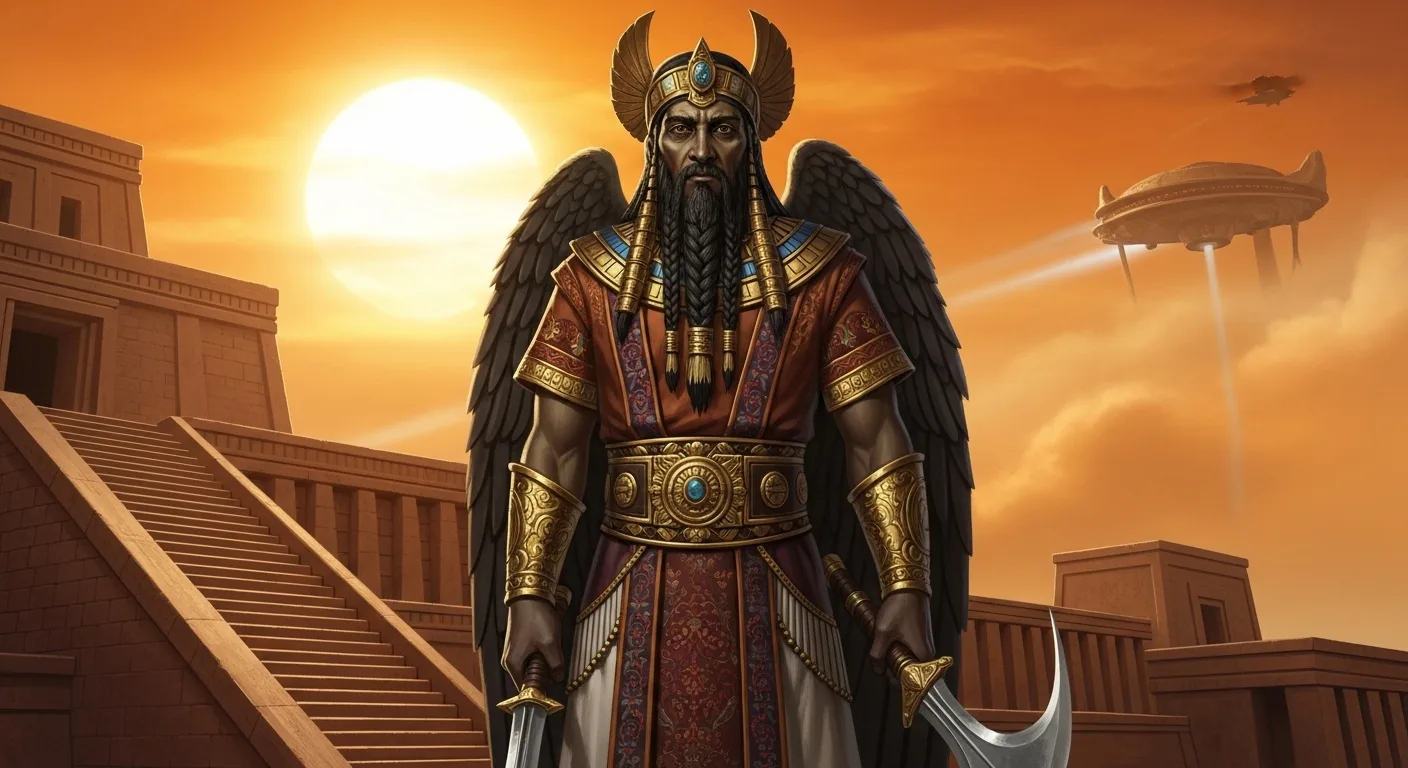
Winged bearded humanoid with horned headdress and ornate robe on ziggurat steps
151

Vimana Pilots (Vedic)

Ancient Sanskrit texts describe pilots of flying vehicles called Vimanas. The Vaimanika Shastra details different types of pilots for different craft. These beings were described as possessing advanced knowledge of mercury vortex engines, anti-gravity, and other technologies. Some ancient astronaut theorists propose these were extraterrestrial visitors whose technology was recorded in religious texts.

Glowing blonde figure with starry forehead marking in a sparkling white robe
152

Watchers (Book of Enoch)

The Book of Enoch describes the Watchers (Grigori) as angels sent to watch over humanity who fell by mating with human women, producing the Nephilim giants. They taught humans forbidden knowledge including metallurgy, cosmetics, astrology, and warfare. Some researchers interpret the Watchers as extraterrestrial scientists who conducted genetic experiments.

Winged bearded humanoid with horned headdress and ornate robe on ziggurat steps
153

Apkallu (Mesopotamian)

Seven sages in Mesopotamian mythology who emerged from the sea to teach humanity civilization. Depicted with fish-like features or as fish-men, they brought knowledge of writing, law, architecture, and agriculture. Often connected to the Nommo of Dogon tradition and theories of aquatic alien visitors in ancient times.

Reptilian humanoid in dark armor with green scales, horned head, yellow eyes, and fangs
154

Nagas (Hindu/Buddhist)

Serpent beings from Hindu and Buddhist traditions who dwell in underground or underwater realms. Nagas are described as shape-shifters who can appear human, possess advanced technology, and guard great treasures and knowledge. Modern researchers connect them to Reptilian alien theories and underground base legends.

Glowing blonde figure with starry forehead marking in a sparkling white robe
155

Tuatha Dé Danann (Irish)

The divine race of Irish mythology who arrived in Ireland in flying ships hidden by magical clouds. They brought four magical treasures and possessed advanced technology including the Spear of Lugh and the Sword of Light. After defeat, they retreated underground into the Sídhe mounds. Often compared to extraterrestrial colonizers.

Blonde woman in silver jumpsuit emerging from a saucer sunroof at mountain sunset
156

Star People (Native American)

Many Native American tribes have traditions of Star People or Star Nations - beings from other worlds who visited Earth, shared knowledge, and sometimes interbred with humans. The Lakota, Hopi, Cherokee, and Zuni all have distinct Star People traditions. These beings are often described as teachers and ancestors.

Illustrated depiction of Sky Gods
157

Sky Gods (African)

Across African cultures, sky gods descend from above in various forms. The Dogon's Nommo, the Zulu's Chitauri, and other traditions describe beings who came from specific star systems. These entities taught agriculture, medicine, and social organization before departing with promises to return.

Mantis portrait with glowing green compound eyes framed by an ornate oval metallic archway
158

Ant People (Hopi)

Hopi tradition describes the Ant People (Anu Sinom) who sheltered humans in underground chambers during world cataclysms. Described as having elongated heads and thin bodies resembling ants, they taught survival skills and agricultural knowledge. Some researchers note physical similarities to Grey alien descriptions.

Illustrated depiction of Thunderbeings
159

Thunderbeings (Lakota)

The Wakinyan of Lakota tradition are powerful beings associated with storms who come from the west. They are described as shape-shifters who can appear as birds or humanoids with wings. They possess great power over weather and are considered both dangerous and sacred. Connected to Thunderbird cryptid sightings.

Illustrated depiction of Wandjina
160

Wandjina (Australian Aboriginal)

Creation beings depicted in ancient rock art across northwestern Australia, characterized by large eyes, no mouths, and halo-like headdresses. Aboriginal tradition describes them as sky beings who created the landscape and taught law. The imagery strikingly resembles modern Grey alien depictions, leading to ancient astronaut speculation.

Illustrated depiction of Kachinas
161

Kachinas (Hopi/Zuni)

Spirit beings in Pueblo traditions who act as intermediaries between humans and gods. Kachinas are said to live in mountains and underground, emerging during ceremonies. Some Kachina figures, like the Star Kachina, are explicitly connected to beings from other worlds. They teach, heal, and bring rain.

Glowing blonde figure with starry forehead marking in a sparkling white robe
162

Elohim (Biblical)

The Hebrew word 'Elohim' is plural, leading some researchers to interpret it as referring to multiple beings rather than a single God. In this interpretation, the Elohim were extraterrestrial visitors who created humanity. The Raëlian movement and others propose the Bible documents alien intervention in human history.

Glowing blonde figure with starry forehead marking in a sparkling white robe
163

Shining Ones (Various)

Across cultures, luminous beings are described as teachers and guides. The Celtic Shining Ones, Hebrew Elohim (which some translate as 'Shining Ones'), and Mesopotamian Anunnaki all share characteristics of radiant, powerful beings who influenced human development. Some propose these are a single phenomenon interpreted through different cultural lenses.

Blue feathered avian humanoid with hooked beak, jeweled gold collar, and spread wings
164

Feathered Serpents (Mesoamerican)

Quetzalcoatl (Aztec), Kukulkan (Maya), and Viracocha (Inca) are described as bearded, light-skinned beings who arrived from across the sea or from the sky, taught civilization, and departed with promises to return. These traditions, combined with architectural and astronomical knowledge, fuel ancient astronaut theories.

Winged bearded humanoid with horned headdress and ornate robe on ziggurat steps
165

Egyptian Neteru

The gods of ancient Egypt (Neteru) were depicted with animal heads on human bodies, possessed advanced technology, and ruled from flying craft. Texts describe them arriving in 'boats of millions of years.' The precision of pyramid construction and astronomical alignment suggest advanced knowledge possibly from non-human sources.