Lake Huron UAP Shootdown
On February 12, 2023, a US F-16 shot down an unidentified 'octagonal' object over Lake Huron, part of three UAP shootdowns that week. Following the Chinese balloon incident, the Pentagon acknowledged these objects remain unexplained. Recovery efforts found no wreckage. Public interest in UAPs surged.
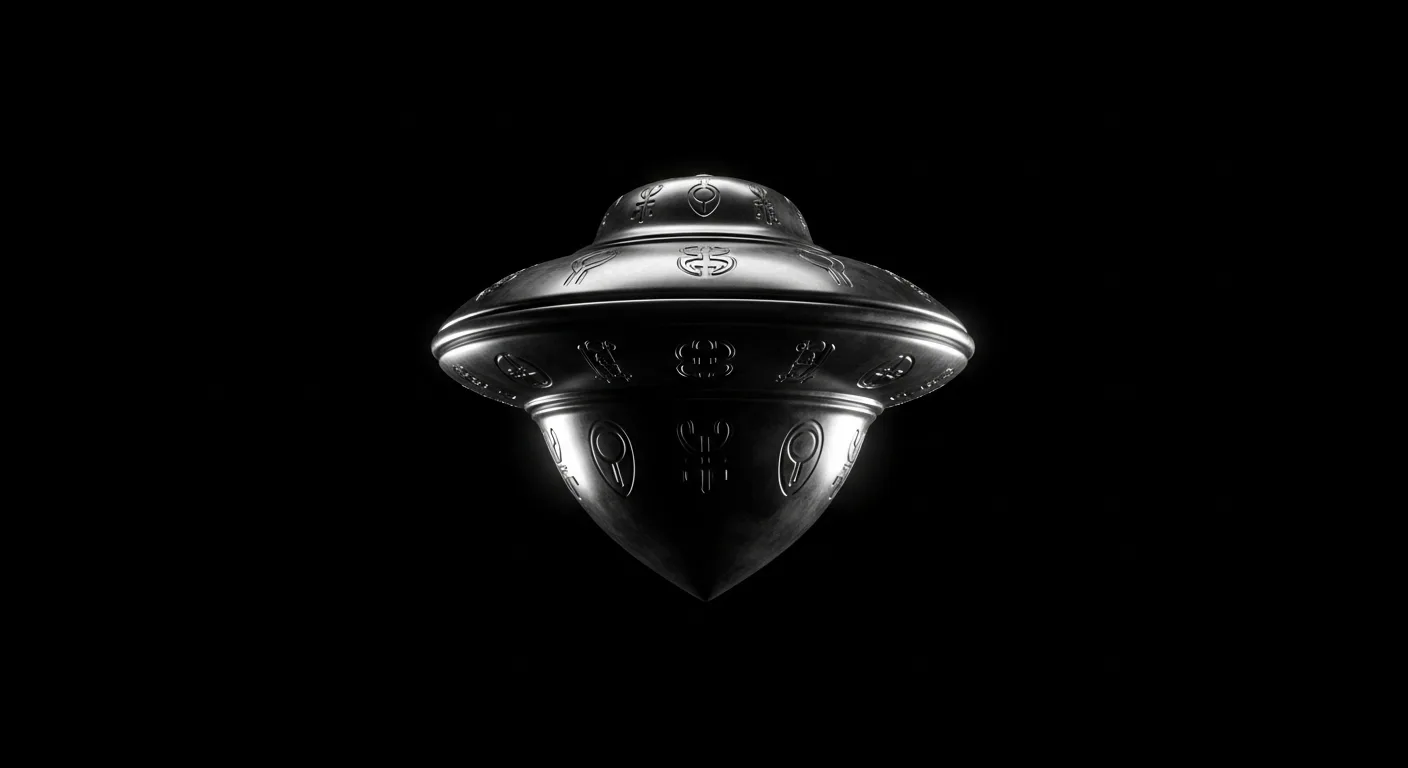
February 2023 marked an unprecedented week in modern military history, when the United States Air Force shot down four aerial objects over North American airspace in the span of eight days. While the first, a Chinese surveillance balloon, was eventually explained, the three objects that followed remain officially unidentified. The Lake Huron shootdown on February 12, 2023, represented the final and in some ways most mysterious incident of this remarkable period, an octagonal object destroyed over American waters that has never been recovered or explained.
The Week
The sequence of events began on February 4, 2023, when an F-22 Raptor shot down a Chinese high-altitude surveillance balloon off the coast of South Carolina. That balloon, which had traversed the continental United States over several days while generating intense media coverage and political controversy, was eventually recovered and confirmed as Chinese spy equipment. The case was closed, or so it seemed.
But the Chinese balloon incident prompted changes in how American radar systems filtered aerial contacts, revealing objects that had previously been dismissed as clutter. Within days, military systems were detecting anomalous objects that had apparently been present but unnoticed. The result was a cascade of intercepts that would make the second week of February 2023 unlike any period in modern aerospace history.
On February 10, an object was shot down over Alaska. On February 11, another was destroyed over the Yukon Territory in Canada, with Canadian permission. On February 12, the final object was shot down over Lake Huron. Unlike the Chinese balloon, none of these three objects was ever identified, and none was ever recovered.
The Lake Huron Object
The object destroyed over Lake Huron presented characteristics that defied easy categorization. Pentagon officials described it as octagonal in shape, a geometric configuration unlike conventional balloons or aircraft. The object had what officials described as “strings attached,” though no further elaboration was provided about the nature or purpose of these appendages.
The object was operating at approximately twenty thousand feet altitude, within range of commercial aviation and therefore posing a potential safety hazard. It displayed no apparent propulsion system, seeming to float rather than fly under power. It did not respond to communications or attempt to evade interception. When the F-16 engaged it with an AIM-9X Sidewinder missile, the object was destroyed over the lake’s waters.
The deliberate octagonal shape distinguished this object from natural phenomena or conventional balloon designs. Geometry that regular suggests artificial construction, but the object’s origin, purpose, and operators remained unknown even after its destruction.
The Shootdown
The decision to shoot down the Lake Huron object followed the pattern established in the previous days’ incidents. The object posed potential hazard to commercial aviation. It had not been identified through normal means. The precedent of destroying such objects had been established with the Alaska and Yukon shootdowns.
An F-16 Fighting Falcon was deployed to intercept the object over Lake Huron. The fighter launched an AIM-9X Sidewinder missile, an advanced heat-seeking weapon worth approximately four hundred thousand dollars. The missile struck the object and destroyed it. Whatever the object had been, it ceased to exist as a coherent structure at that moment.
The use of expensive precision munitions against these objects attracted attention from critics who questioned whether such targets justified such weapons. The military’s willingness to expend significant resources suggested the objects were taken more seriously as potential threats than later “benign” characterizations would indicate.
The Search
Immediately following the shootdown, recovery operations commenced over Lake Huron. The military devoted substantial resources to locating and retrieving debris from the destroyed object. Coast Guard vessels deployed to the estimated impact zone. Navy divers prepared to search the lake bottom. The goal was to recover physical evidence that could reveal the object’s nature and origin.
These efforts failed entirely. Despite days of searching in difficult winter conditions, no debris from the Lake Huron object was ever recovered. The fragments of whatever had been destroyed apparently scattered across the lake bottom or were carried by currents to locations beyond the search area. Without physical evidence, investigation into the object’s nature reached a dead end.
The failure to recover debris meant that all analysis of the Lake Huron object was limited to observations made before and during the shootdown. The octagonal shape, the strings, the altitude and behavior, these details represented the entirety of what could be known about an object that had been tracked by military radar and destroyed by military weapons but never understood.
The Government
Official statements about the Lake Huron object and its fellow unknowns have been notable for what they do not say. The Pentagon confirmed the shootdowns occurred. Officials acknowledged the objects had not been identified. Spokespeople suggested the objects were likely “benign,” possibly research or hobby balloons, without providing evidence for this assessment.
The disconnect between the military response and the official characterization raised questions. If these were obviously benign balloons, why expend million-dollar missiles to destroy them? Why conduct intensive recovery operations? Why brief Congressional committees? The gap between what was done and what was said suggested the situation was more serious than officials wished to acknowledge publicly.
Congressional interest intensified following the February incidents. Lawmakers demanded briefings on what had been detected in American airspace and what the government knew about the objects’ origins. Intelligence officials testified about aerial surveillance capabilities and acknowledged that the radar filter adjustments had revealed a category of objects previously overlooked. The implications of this acknowledgment, that unknown objects had been operating undetected in American airspace, remained uncomfortable.
The Impact
The February 2023 shootdowns represented a turning point in public awareness of unidentified aerial phenomena. For a week, the topic dominated news coverage. Military and political leaders were forced to address questions they had previously avoided. The existence of objects in American airspace that the government could not identify moved from fringe concern to mainstream discussion.
The incidents also highlighted limitations in American aerospace surveillance. Objects had apparently operated undetected until radar parameters were adjusted following the Chinese balloon incident. How many other objects might be present that current systems are not configured to detect? This question remains without answer.
The Lake Huron object sits in the historical record as one of the most tangible UFO incidents of the modern era, an object observed by military pilots, tracked by military radar, destroyed by military weapons, and yet never identified or recovered. It represents not distant mystery but direct engagement with the unknown, and that engagement produced no clarity whatsoever.
Sources
- CIA UFO/UAP Reading Room — Declassified CIA documents on UAP
- AARO (All-domain Anomaly Resolution Office) — Current US DoD UAP office