SAS Flight 347 Near Miss
On August 15, 1991, the crew of an SAS DC-9 aircraft reported a near-collision with an unknown object over the North Sea. Captain Leif Nesheim described a dark, circular object that passed dangerously close to the aircraft. Danish authorities investigated and confirmed the pilots' report. No explanation was found.
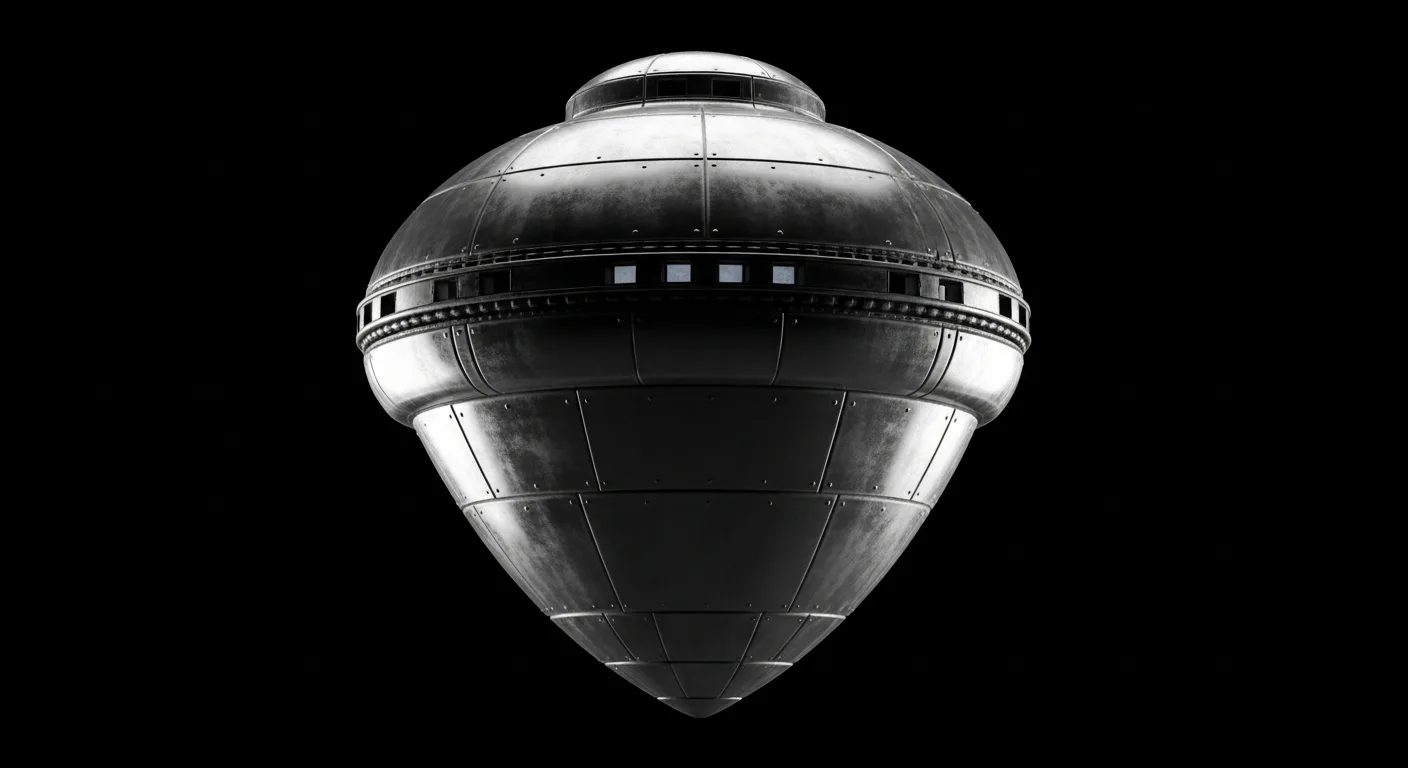
Commercial aviation UFO encounters often go unreported due to professional stigma. The SAS Flight 347 incident was different – the airline and Danish authorities took the pilots’ report seriously, investigated, and acknowledged they could not explain what nearly collided with the aircraft over the North Sea.
August 15, 1991
SAS Flight 347 was a routine flight from Copenhagen to Oslo:
The aircraft was a McDonnell Douglas DC-9. Captain Leif Nesheim, an experienced pilot, was at the helm. The flight occurred over the North Sea, approximately 55 nautical miles west of Denmark. The flight took place at an altitude of approximately 35,000 feet during the daytime.
The Near Miss
The encounter was dramatic and brief:
The crew initially saw an object approaching on what appeared to be a collision course. The object was described as dark, circular or disc-shaped, and possessing a solid appearance. It passed extremely close to the aircraft – close enough to alarm the crew. As there was no time for significant evasive maneuvering, the entire encounter lasted only seconds.
What They Saw
Captain Nesheim and his crew described the object in detail. They reported that the shape was circular or disc-shaped. The color was dark – black or very dark colored. The object was substantial in size – not a small object. They observed that it was moving fast, though specific speed was difficult to estimate. Notably, no sound was reported, although at 35,000 feet in a pressurized cabin, external sounds wouldn’t be heard anyway.
Official Response
Unlike many aviation UFO cases, this one received official attention:
The airline, SAS, took the report seriously and forwarded it to authorities. Danish aviation authorities investigated the incident. Military radar data was checked for correlating targets. Ultimately, authorities acknowledged they could not identify the object.
Investigation Results
The investigation produced no answers:
Radar detected no corresponding radar target. No known aircraft were in the area at the time. No weather balloons matched the trajectory of the object. Military exercises were investigated, but none explained the object’s presence. Consequently, the object remained unidentified.
Captain Nesheim’s Credibility
The witness, Captain Nesheim, was highly credible:
He was a veteran commercial pilot with extensive flight hours. Coming forward risked his reputation. His account remained consistent. Other crew members supported his report. He had no apparent reason to fabricate the story.
Aviation UFO Reports
The case highlighted patterns in aviation encounters:
Pilots often don’t report UFO sightings due to career concerns. Aviation culture discourages such reports. Near-misses represent genuine flight safety issues. The airline and Danish authorities’ serious response was unusual.
Comparison to Other Cases
The SAS incident shares features with other aviation UFO cases:
JAL Flight 1628 was another commercial aviation encounter with an official investigation. The Channel Islands 2007 involved pilots observing unidentified objects. The pattern of experienced pilots reporting unexplained objects was evident.
The North Sea Location
The North Sea has been the site of other unexplained incidents:
Offshore platforms saw workers report unusual sightings. Heavy military activity occurred in the region. Dense air and sea traffic was present. Some researchers noted concentrations of sightings in the area.
Why It Matters
The SAS Flight 347 case is significant because:
A major airline acknowledged the incident. An official investigation was conducted. Authorities admitted they couldn’t explain it. The crew were credible professional witnesses. It demonstrates the reality of aviation UFO encounters.
Flight Safety Implications
The near-miss aspect is crucial:
Collision risk existed – whatever it was, it nearly hit a commercial aircraft. Passenger safety could have been at risk. Air traffic poses dangers from unknown objects in commercial airspace. Reporting such incidents is important.
Legacy
The SAS incident represents:
Rare official acknowledgment of an unexplained aviation encounter. A case where institutional response matched the seriousness of the event. Evidence that unexplained objects operate in commercial airspace. An example of how such cases should be handled.
Whatever passed by SAS Flight 347 over the North Sea that day was close enough to alarm experienced professionals and serious enough for official investigation. It remains unexplained.
Sources
- CIA UFO/UAP Reading Room — Declassified CIA documents on UAP