Japan Airlines Flight 1628 Encounter
A Japanese cargo jet crew encountered three enormous UFOs over Alaska, one the size of two aircraft carriers. The FAA confirmed radar contact and investigated.
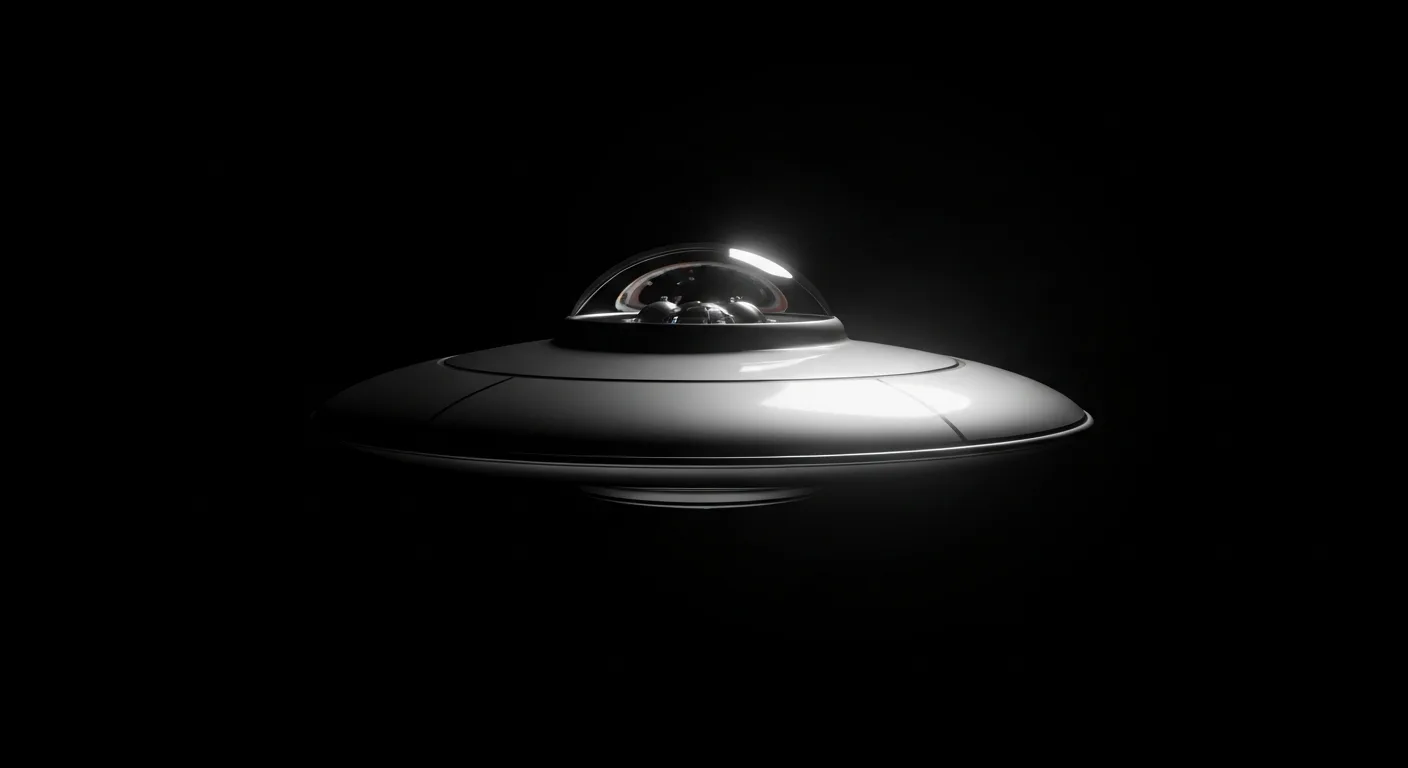
On November 17, 1986, a Japan Airlines cargo jet flying over Alaska encountered three unidentified objects, including one described as the size of two aircraft carriers. The incident was confirmed by FAA radar and investigated by the agency, producing detailed documentation of one of the most compelling commercial aviation UFO cases.
The Flight
Japan Airlines cargo flight 1628 was carrying French wine from Paris to Tokyo via Reykjavik and Anchorage. Captain Kenju Terauchi, a veteran pilot with 29 years of experience, commanded the Boeing 747-200F.
First Contact
At approximately 5:10 PM local time, flying at 35,000 feet over northeastern Alaska, the crew observed two unusual lights ahead and below them. The lights ascended to their altitude.
The Objects
Captain Terauchi and his crew described two distinct objects they observed during the encounter. Initially, they noted two smaller craft, each characterized by a square-shaped design and equipped with nozzles or thrusters that emitted flames. These smaller objects maintained a consistent pace alongside the aircraft, keeping a steady distance. Later in the encounter, a much larger object emerged, a walnut-shaped structure that subsequently appeared on the aircraft’s radar. Captain Terauchi estimated the size of this object to be equivalent to that of two aircraft carriers, a truly colossal scale.
FAA Radar Confirmation
Anchorage Air Route Traffic Control confirmed an unidentified radar return near the aircraft’s position. The radar contact appeared and disappeared several times during the encounter, providing further evidence of the unusual activity. Additionally, the FAA Flight Service Station detected an object, adding another layer of confirmation to the initial observations.
The Pursuit
The encounter unfolded over approximately 50 minutes as the objects followed the aircraft. The smaller craft initially paced the 747, maintaining a consistent distance and speed. Subsequently, the massive object appeared, joining the pursuit. Throughout the observation, the objects seemed to react to the aircraft’s maneuvers, changing their trajectory in response to the pilot’s actions. Captain Terauchi reported experiencing noticeable heat emanating from the smaller objects, further intensifying the strangeness of the event. When Terauchi requested permission to deviate from his course, the objects appeared to follow the altered path, suggesting a deliberate pursuit.
FAA Investigation
The FAA conducted a thorough investigation of the incident, employing several key methods to gather and analyze the available data. This investigation involved conducting extensive interviews with the crew members, meticulously analyzing the radar data collected during the encounter, reviewing the complete recordings of the voice communications between the flight crew and air traffic control, and undertaking a detailed technical analysis of the observed phenomena.
FAA Division Chief John Callahan preserved the documentation following the investigation, initially being instructed to suppress the information.
Official Response
Captain Terauchi spoke publicly about the encounter, which contradicted JAL’s preference for a quiet resolution. As a result of his public statements, he was temporarily demoted to a desk job—though later reinstated. The FAA’s internal conclusion was that the event couldn’t be readily explained, yet the agency determined that it should not be broadly publicized.
John Callahan’s Revelation
Years later, FAA official John Callahan revealed several significant details surrounding the investigation. He disclosed that CIA representatives attended the initial FAA briefing, and all participants were sworn to secrecy regarding the details of the encounter. The official stance adopted by the government was to deny the incident ever occurred. Furthermore, Callahan revealed that he had personally preserved the original documentation pertaining to the case, safeguarding the evidence from potential manipulation or suppression.
Callahan’s testimony added significant credibility to an already well-documented case, bolstering the legitimacy of the observations and the subsequent investigation.
Significance
The JAL 1628 case is notable for a number of reasons. It featured the testimony of an experienced commercial pilot, Captain Terauchi, who served as a key witness to the events. The encounter lasted for an extended duration of approximately 50 minutes, providing ample opportunity for detailed observation. Crucially, the FAA radar confirmed the presence of the objects, adding a layer of scientific validation to the experience. Furthermore, the incident resulted in a comprehensive official investigation, producing detailed documentation that supported the claims made by the flight crew. The massive size of the main object, estimated to be comparable to two aircraft carriers, also contributed to the case’s extraordinary nature. Finally, the later revelation of government secrecy surrounding the event further heightened its significance and intrigue.
Legacy
The encounter represents one of the most well-documented commercial aviation UFO cases. The confluence of factors – including the credibility of the pilot witness, the extended duration of the observation, the radar confirmation of the objects, and the existence of official documentation – creates a case that resists conventional explanations.
Captain Terauchi maintained his account of what appeared over Alaska that November night until his death, consistently describing the encounter with unwavering detail.
Sources
- CIA UFO/UAP Reading Room — Declassified CIA documents on UAP