Japan Airlines Flight 1628
A Japanese cargo jet was followed by massive UFOs for 50 minutes over Alaska. The captain described an object 'two to three times bigger than an aircraft carrier.' FAA radar confirmed the encounter.
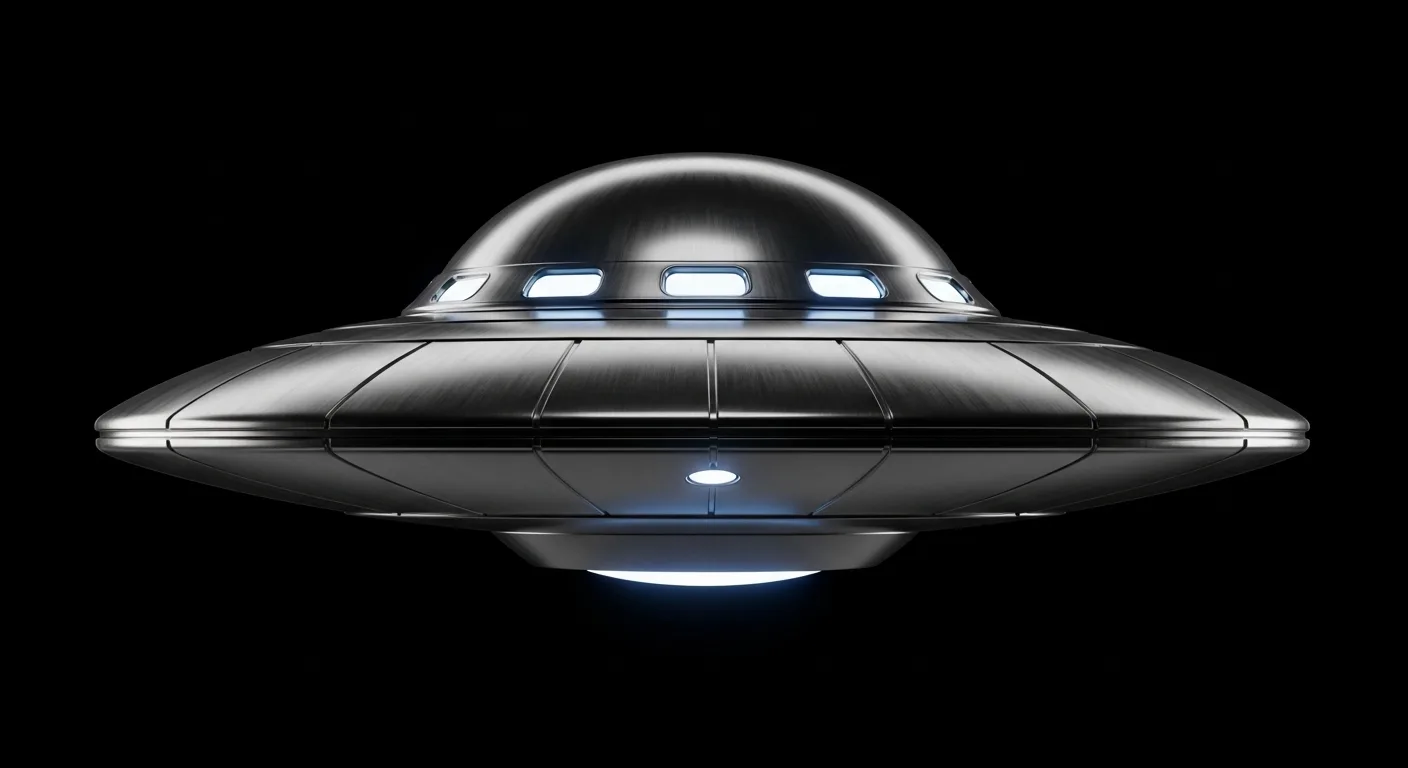
On November 17, 1986, a Japan Airlines cargo flight from Paris to Tokyo was followed by massive unidentified objects for approximately 50 minutes while flying over Alaska. The encounter was tracked on FAA radar, and the experienced captain’s testimony created an international incident.
The Crew
Japan Airlines Flight 1628 consisted of Captain Kenju Terauchi (29 years experience), co-pilot Takanori Tamefuji, flight engineer Yoshio Tsukuda, and a Boeing 747 cargo freighter.
Initial Sighting
At approximately 5:11 PM (Alaska time), the aircraft was flying at 35,000 feet near Fort Yukon when Captain Terauchi noticed two lights below and to the left. Initially, he believed these lights were military aircraft, but they quickly climbed to match the aircraft’s altitude.
The Two Objects
The first objects observed were two rectangular arrays of lights that flew alongside the aircraft. These objects maneuvered in ways that were impossible for conventional aircraft, exhibiting unusual movements and, most disconcertingly, emitting a noticeable heat that Terauchi felt through the cockpit window.
The Giant Mothership
After approximately 30 minutes, a massive third object appeared. Captain Terauchi described it as “two to three times bigger than an aircraft carrier,” and it appeared on radar as well, seeming to follow the aircraft throughout its flight.
Radar Confirmation
FAA Anchorage air traffic control initially detected unknown returns on radar, and military radar at Elmendorf also tracked something. Controllers monitored the situation closely, confirming unusual returns near the aircraft.
Duration
The entire encounter lasted approximately 50 minutes, during which the objects followed through multiple course changes. The FAA suggested that the crew make several turns to verify the contact was real, and the objects precisely matched every maneuver they executed before eventually departing.
FAA Investigation
The FAA conducted a thorough investigation, interviewing the crew extensively, reviewing radar tapes, examining flight data, and Administrator John Callahan personally reviewed the case.
Callahan’s Later Revelations
Years later, FAA Administrator John Callahan revealed that a CIA briefing occurred about the incident, and participants were sworn to secrecy. He was told “this event never happened,” and he retained copies of the relevant evidence.
Japanese Response
Initially, Japan Airlines supported Captain Terauchi, but later reassigned him to a desk job. The ensuing media coverage significantly damaged his career, and he eventually returned to flying.
Official Explanation Attempts
Various explanations were proposed to account for the unusual sightings, including suggestions that they were caused by Jupiter and Mars (which were rejected as the crew knew of the planets’ positions), split radar returns (which didn’t adequately explain the visual sighting), and moonlight on clouds (which didn’t match the description provided by the crew).
Significance
The JAL 1628 case is significant due to several factors, including the extremely experienced pilot witness, the extended duration of the encounter (50 minutes), radar confirmation, FAA involvement and later revelations, international attention, and the massive size estimates provided by the captain.
Legacy
Japan Airlines Flight 1628 represents one of the most credible pilot UFO encounters. The combination of an experienced crew, radar confirmation, extended observation, and later revelations about government interest make it a cornerstone case for UFO research.
Sources
- CIA UFO/UAP Reading Room — Declassified CIA documents on UAP