Ellsworth AFB UFO Encounter
On August 5, 1953, an Air Defense Command radar operator at Ellsworth Air Force Base tracked a UFO that was also observed visually. An F-84 jet was scrambled, and the pilot confirmed the object and closed to within 3 miles before the UFO departed at incredible speed. The case was classified as 'Unknown' by Project Blue Book and later featured in the classified Robertson Panel report.
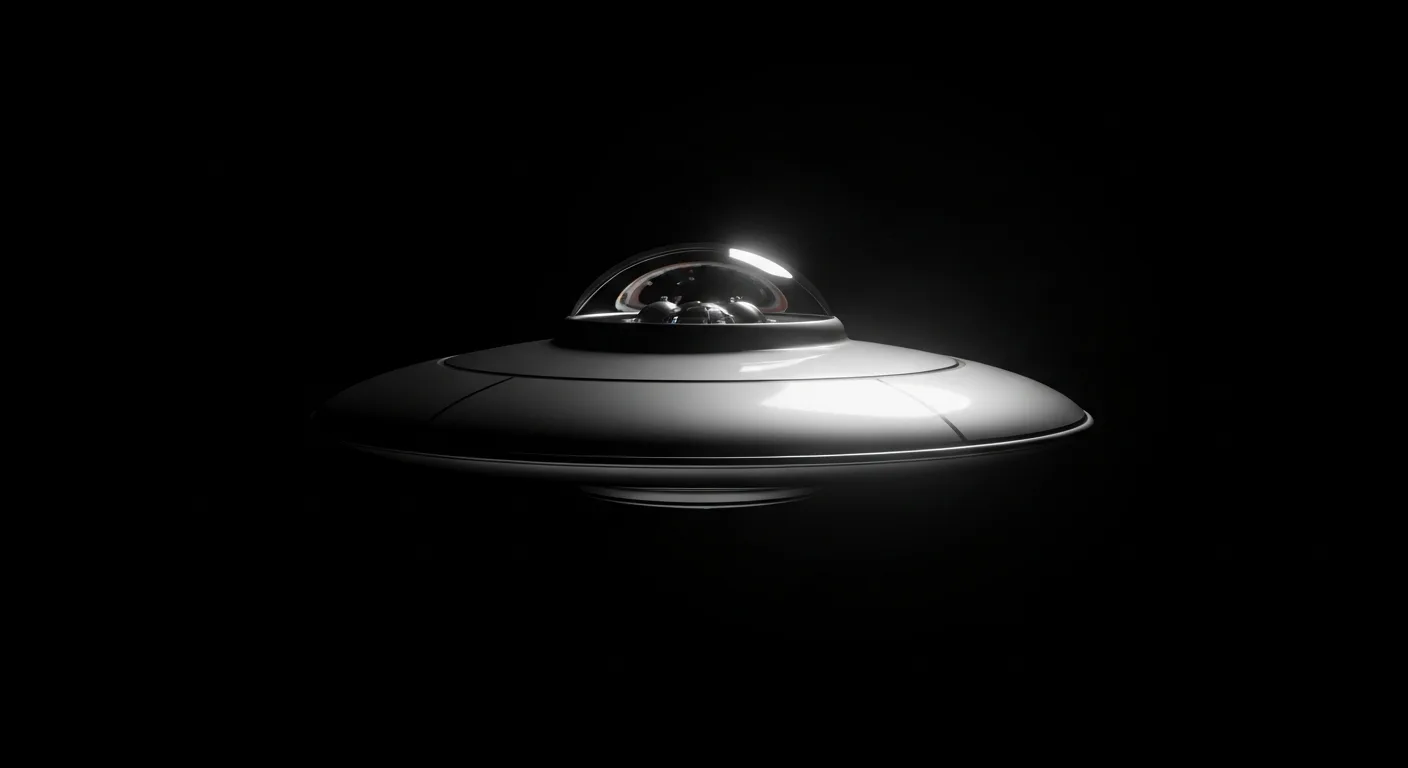
The Ellsworth Air Force Base UFO encounter of 1953 is significant as one of the most thoroughly documented radar-visual cases from the height of the Cold War. When radar detected an unknown object over the nuclear-armed base, an F-84 jet was scrambled. The pilot confirmed visual contact before the object accelerated away at impossible speed. The case influenced the CIA’s secret Robertson Panel and was classified “Unknown” by the Air Force.
August 5, 1953
The incident occurred during a tense period:
The context was the ongoing Korean War; Cold War tensions were high. Ellsworth Air Force Base, South Dakota, hosted nuclear-armed Strategic Air Command bombers. The time was mid-morning, approximately 8:00 AM.
The Radar Detection
The incident began with radar contact:
Air Defense Command radar operators detected an unknown target. The object was in restricted airspace near the base. Multiple radar operators confirmed the contact. It moved in a controlled manner, not matching any known aircraft.
The Scramble
An interceptor was launched:
An F-84 Thunderjet fighter was launched. An experienced Air Force pilot was piloting the aircraft. The mission was to identify and, if necessary, intercept the unknown. Ground control directed the pilot toward the target.
Visual Contact
The pilot confirmed what radar was tracking:
The pilot achieved visual contact with the object. The object was described as a bright, circular object. He closed to within approximately 3 miles. Visual matched the radar target’s position.
The Object’s Behavior
The UFO displayed unusual characteristics:
It could hover motionless. When it moved, it accelerated to tremendous velocity. Its movements exceeded the F-84’s capabilities. It eventually departed at a speed the jet couldn’t match.
Radar-Visual Case
The combination of evidence was significant:
Electronic confirmation of the object’s presence was provided by radar data. The pilot eyewitness corroborated radar. Radar and visual matched - this was no ghost return. Both radar and pilot reports were officially documented.
Air Defense Implications
The intrusion was taken seriously:
An unknown over a nuclear base was a grave concern. The Cold War context meant Soviet intrusion was always a possibility. The object’s performance exceeded any known Soviet aircraft. If not Soviet, what was it?
Project Blue Book Classification
The Air Force investigated:
Project Blue Book examined the case. The case was labeled “Unknown.” This meant they couldn’t explain it conventionally. The case remains in Blue Book files.
The Robertson Panel
The case had high-level implications:
The Robertson Panel was a secret CIA study of UFOs. The Ellsworth case was among those considered. Such cases contributed to recommendations for handling UFO information. The Panel’s report was classified for years.
The Pilot’s Account
The F-84 pilot reported clearly:
As a military pilot, he was a trained observer. He provided specific details about the object. His account was taken seriously by investigators. He could not identify what he saw.
Radar Operator Reports
Ground personnel documented their observations:
Several radar personnel tracked the object. Their readings were consistent. The radar return was unlike conventional aircraft. Their observations were officially recorded.
Strategic Air Command Security
The nuclear context was crucial:
Ellsworth was a Strategic Air Command installation. B-36 and B-47 bombers with nuclear weapons were based there. Any airspace intrusion triggered serious response. Unexplained intrusions over nuclear bases were alarming. National Security was paramount.
Similar Cases
Ellsworth fits a pattern:
UFOs frequently appeared over nuclear facilities. Jets were often scrambled. The combination of evidence types strengthens cases. Military UFO encounters were common during this period.
Official Silence
The case received little public attention:
Much information was classified. Unlike some cases, it didn’t become public news. It was handled within military channels. Details emerged through declassification.
Cold War Implications
The case reflected Cold War anxieties:
Any unknown could be Soviet. But the object exceeded known technology. Unexplained intrusions threatened confidence. Understanding UFOs had national security implications.
Legacy
The Ellsworth AFB encounter matters because:
Radar and visual evidence corroborated each other. An F-84 pilot confirmed the object. The case was classified “Unknown” by Project Blue Book. It occurred over a nuclear-armed Strategic Air Command base. It influenced the CIA’s Robertson Panel.
Whatever flew over Ellsworth Air Force Base that morning was tracked by radar, seen by a jet pilot, and documented by the Air Force. It outperformed one of America’s front-line fighters and remains officially unexplained.
Sources
- Project Blue Book — National Archives — USAF UFO investigation files, 1947–1969
- CIA UFO/UAP Reading Room — Declassified CIA documents on UAP
- Chronicling America — Historic US newspapers (1690–1963)