Gulf Breeze First Photograph
Ed Walters captured his first UFO photograph while stepping outside his home in Gulf Breeze. This initial image launched one of the most controversial and well-documented UFO photo cases.
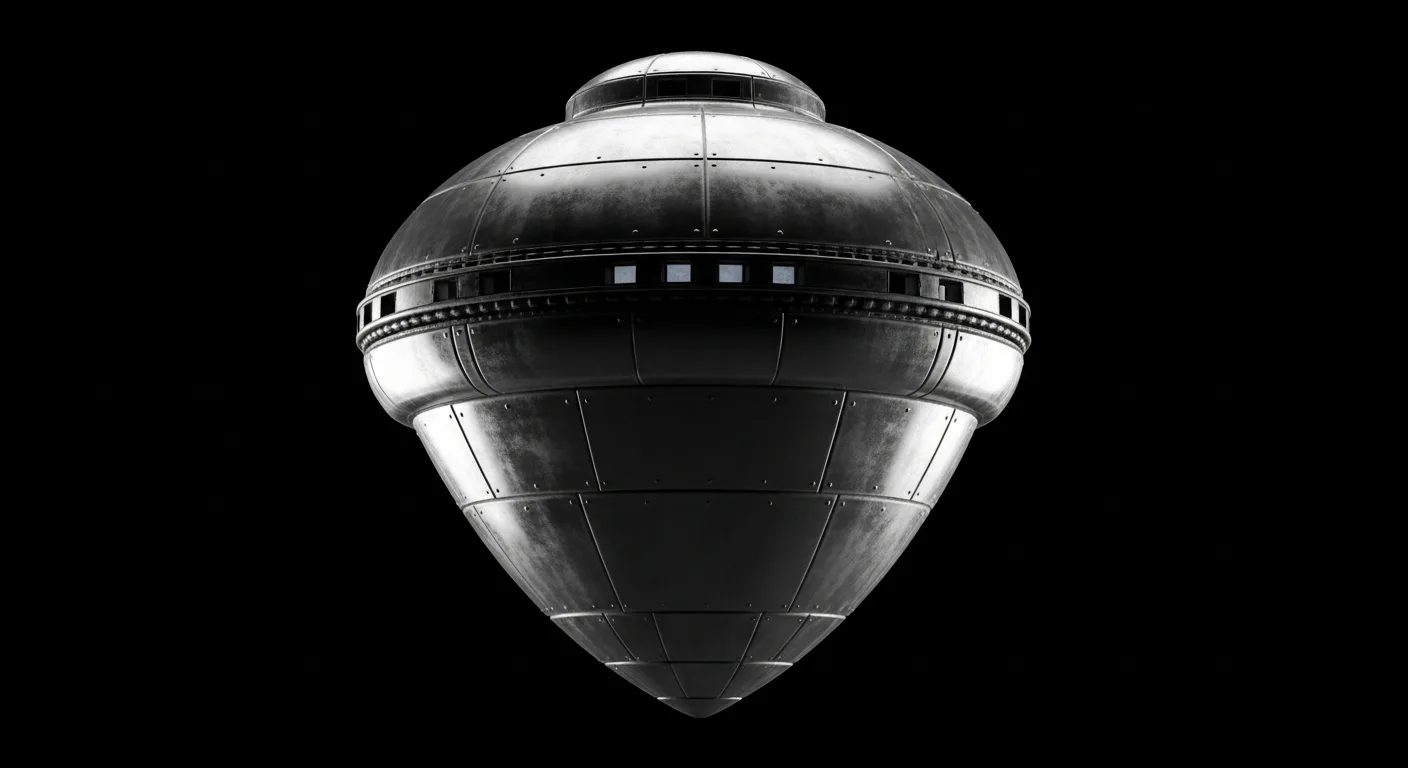
On November 11, 1987, building contractor Ed Walters stepped outside his home in Gulf Breeze, Florida and observed a strange glowing object in the sky. He grabbed his Polaroid camera and captured what would become the first of many controversial UFO photographs that would make Gulf Breeze famous.
Ed Walters
The photographer was a building contractor who resided in Gulf Breeze. Prior to this event, he had no prior interest in UFOs, but he did maintain a photography hobby. He subsequently became the central figure in one of the most widely publicized and debated UFO investigations in American history.
The Night
The night of November 11, 1987, occurred in the early evening. Ed Walters observed a glow in the sky while standing outside his home. He quickly retrieved his camera and was able to capture an image of the object he had seen.
The First Photo
The first photograph depicted a glowing craft, characterized by a blue beam projecting downwards beneath it. The craft displayed a structured appearance, resembling a classic UFO shape, and was captured on a clear Polaroid print.
The Object
Ed Walters described the object as a disc with a prominent dome, featuring multiple ports and glowing intensely. He noted a blue light beam emanating from the craft and emphasized that it was not an aircraft of any kind.
Initial Reaction
Following the capture of the image, Walters showed it to his wife and decided to report his sighting. He initially contacted the Gulf Breeze Sentinel newspaper anonymously, but later went public with his account.
The Newspaper
The Gulf Breeze Sentinel published the photograph, sparking a public interest explosion. The newspaper subsequently received multiple photographs, generating considerable controversy and drawing national attention to the events unfolding in Gulf Breeze.
Subsequent Photos
Over the following months, numerous additional images were captured, taken from various angles and in different locations. A consistent object was observed, leading to a growing collection of photographs related to the event.
The Polaroid Factor
The use of Polaroid cameras played a significant role in the case. The instant development process made it exceedingly difficult to fabricate the images, and the lack of a negative film meant no manipulation was possible. However, techniques for creating fake Polaroids did emerge, adding to the ongoing debate surrounding the authenticity of the photographs.
The Blue Beam
A distinctive feature of the photographs was the light projecting down from the craft, referred to as a blue beam. Walters claimed this beam either transported or lifted objects, and it added a dramatic element to the observations.
Investigation
MUFON (Mutual UFO Network) researchers examined the photographs and interviewed Ed Walters. While some researchers became convinced of the authenticity of the photographs, others remained skeptical, resulting in a divided opinion within the investigation.
Supporting Evidence
Several factors supported the belief in the authenticity of the photographs, including the multiple images captured, the emergence of other witnesses who reported similar sightings, and a thorough analysis conducted by MUFON. Furthermore, Ed Walters’ character and consistent testimony added to the weight of the evidence.
Against Authenticity
Critics of the photographs noted the discovery of a foam model of the craft in Walters’ former home, in the attic space. This finding was considered damaging evidence, suggesting a potential hoax. However, Walters vehemently denied any involvement in a fabricated story or hoax.
Walters’ Position
Walters maintained that the photographs were genuine and that the foam model was not his. He argued that the model was planted evidence and that he was subject to harassment. He never admitted to staging the photographs.
The Other Witnesses
Beyond Ed Walters’ initial report, hundreds of other individuals reported seeing similar objects in the Gulf Breeze area. These witnesses described a wave phenomenon and independently sighted the same object, adding to the intrigue surrounding the case.
Significance
The first photograph is significant for several reasons, marking the beginning of the saga, launching intense controversy, contributing to a substantial documentation effort, offering compelling Polaroid evidence, and fueling an ongoing debate about the nature of the event.
Legacy
The first Gulf Breeze photograph launched one of the most controversial UFO photo cases in history. Whether the photographs were genuine or hoaxed, the subsequent wave of sightings by other witnesses suggests something unusual was occurring in the area.
Sources
- CIA UFO/UAP Reading Room — Declassified CIA documents on UAP