Loring AFB Intrusions
Unknown objects penetrated the airspace of this nuclear weapons storage facility on multiple nights. Jets were scrambled but could not intercept the craft that hovered near the weapons storage area.
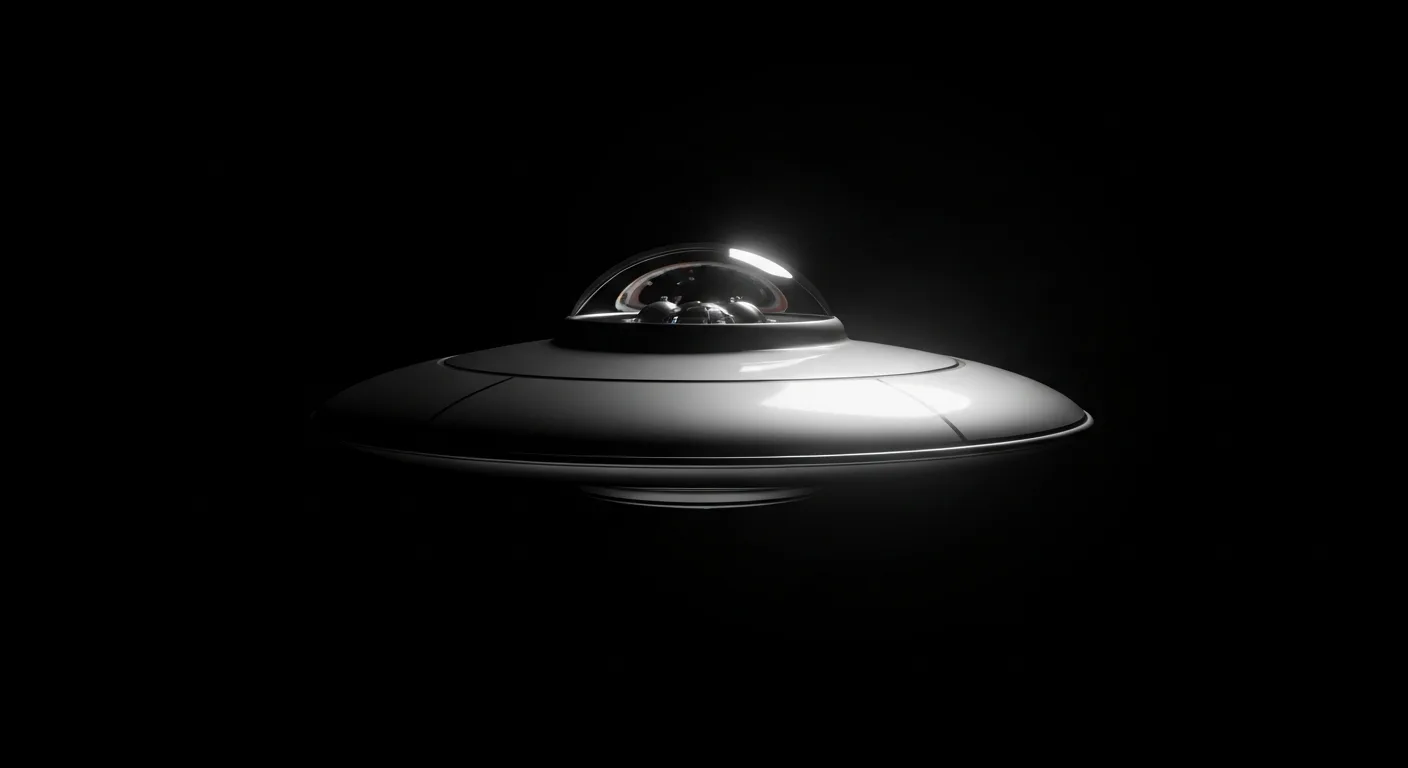
In late October 1975, the men and women stationed at Loring Air Force Base in the remote northeast corner of Maine found themselves confronting something that defied every assumption about American air defense superiority. Over several consecutive nights, unknown craft penetrated the most restricted airspace in the nation, hovering with apparent impunity above bunkers containing nuclear weapons while armed guards, scrambled jet fighters, and an entire Strategic Air Command installation proved utterly powerless to identify or intercept the intruders. The events at Loring were not isolated; they formed part of a wave of similar intrusions at military installations across the northern United States and Canada that autumn, a pattern so alarming that it triggered responses at the highest levels of the Department of Defense. Decades later, declassified documents have confirmed the essential facts of what happened, yet no satisfactory explanation has ever been offered for who or what violated the airspace of one of America’s most sensitive nuclear facilities.
The Strategic Fortress on the Border
To appreciate the gravity of what occurred at Loring, one must understand what the base represented in the architecture of Cold War defense. Loring Air Force Base sat near Limestone, Maine, just a few miles from the Canadian border in Aroostook County, the northeasternmost county in the continental United States. The base was activated in 1953 as a Strategic Air Command installation and quickly became one of the most important nodes in America’s nuclear deterrence network. Its geographic position made it the closest Continental U.S. bomber base to the Soviet Union via polar routes, a fact that dictated its mission and its significance.
Loring was home to the 42nd Bombardment Wing, equipped with massive B-52 Stratofortress bombers capable of delivering thermonuclear weapons to targets deep inside the Soviet Union. These aircraft maintained a constant state of readiness, their crews trained to launch on minutes’ notice in the event of nuclear war. The base also housed KC-135 Stratotanker aerial refueling aircraft that would extend the bombers’ already formidable range. At any given moment, Loring represented a significant fraction of America’s nuclear strike capability.
The nuclear weapons themselves were stored in a Weapons Storage Area, or WSA, located within the base perimeter but separated from the main facilities by additional layers of security. The WSA was surrounded by multiple fences topped with razor wire, monitored by sensors and cameras, patrolled by armed guards with shoot-to-kill authorization, and illuminated by powerful floodlights. Access was restricted to personnel with the highest security clearances, and the procedures governing movement in and around the WSA were among the most stringent in the entire military establishment. The airspace above the WSA was similarly restricted; any unauthorized aircraft entering this zone would trigger an immediate and overwhelming response.
Or so everyone believed.
The First Night: October 27, 1975
The intrusions began on the evening of October 27, 1975. At approximately 7:45 PM, personnel at the base detected an unknown craft approaching from the north. The object appeared on radar and was simultaneously observed visually by security personnel stationed around the base perimeter. What they saw defied easy categorization.
The craft was described as an elongated object displaying brilliant lights. It moved with deliberate purpose, not along any standard flight path or approach corridor, but directly toward the most sensitive area of the entire installation. The object penetrated the restricted airspace surrounding the Weapons Storage Area and began to hover, maintaining a position that gave it a clear line of sight to the nuclear weapons bunkers below.
Security forces responded immediately. The base went to a heightened alert status, and armed guards were deployed to the perimeter of the WSA. Security police fanned out across the base, attempting to establish a visual fix on the intruder and determine its intentions. Radio calls went out to all personnel, and the chain of command was activated as reports flowed upward through increasingly alarmed layers of authority.
The object, however, seemed indifferent to the commotion it was causing. It hovered near the weapons area for an extended period, its lights clearly visible against the dark Maine sky. Ground observers watched in frustration as the craft maintained its position, seemingly surveying the very heart of the base’s nuclear mission. When it finally departed, it did so at a speed and with a trajectory that made pursuit impossible.
The incident was immediately classified and reported through military channels. The base commander, Colonel Richard Chapman, took the matter with the utmost seriousness. Whatever had penetrated Loring’s airspace had demonstrated capabilities that no known aircraft possessed, and its apparent interest in the nuclear weapons storage area raised the most alarming possible implications.
The Second Night: October 28, 1975
If there was any hope that the first night’s intrusion was an isolated event, a misidentification, or an anomaly, those hopes were extinguished the following evening. On October 28, the unknown craft returned.
This time, the base was on heightened alert, its security forces primed for another encounter. Radar operators were scanning with particular attention, and additional personnel had been posted to observation points around the perimeter. Despite these preparations, the outcome was essentially the same. The object appeared, penetrated restricted airspace, and once again took up a position near the Weapons Storage Area.
The craft displayed similar characteristics to the previous night’s intruder: an elongated shape, brilliant lights, and a hovering capability that was inconsistent with any known aircraft. It moved with precision, as if following a predetermined flight plan that happened to center on the most sensitive location on the base. Security forces again responded with maximum effort, but the object seemed unconcerned by their presence.
On this second night, the base scrambled fighter jets to intercept the craft. The response represented an escalation in the military’s reaction, reflecting the growing alarm at the highest levels of command. However, the interceptors proved unable to close with the object. When approached by the fighters, the craft demonstrated performance capabilities that far exceeded those of the pursuing aircraft. It could accelerate instantaneously, change direction without any apparent turning radius, and maintain altitudes and speeds that the jets could not match. The pilots returned to base having accomplished nothing, their sophisticated aircraft outclassed by a craft of unknown origin and design.
The failure of the intercept attempts was perhaps the most disturbing aspect of the second night’s events. Loring was a Strategic Air Command base, home to some of the most capable military assets in the world, yet the combined resources of the installation could not even identify the intruder, let alone force it to withdraw. The implications for national security were staggering.
The Pattern Continues
The intrusions did not stop after two nights. Over the following days, through the end of October, similar events were reported at Loring. The pattern was remarkably consistent: the unknown craft would appear in the evening hours, penetrate restricted airspace, show particular interest in the weapons storage area, evade all attempts at interception, and depart at will. Each recurrence deepened the sense of helplessness among the base’s defenders and intensified the urgency of the reports flowing up the chain of command.
Security measures were increased repeatedly during this period. Additional guards were posted, surveillance was enhanced, and the base maintained an elevated alert status that put enormous strain on personnel already unsettled by events they could not explain. Morale among security forces was affected; men trained to defend their installation against any threat found themselves confronting something against which their training and equipment were useless.
The radar tracking data accumulated during these nights provided some of the most compelling evidence for the reality of the intrusions. The objects were not phantoms or misidentifications; they registered on radar with solid returns consistent with physical craft of substantial size. The tracks showed the objects approaching the base, hovering in the vicinity of the WSA, and departing, exactly matching the visual observations of security personnel on the ground. The convergence of radar data and eyewitness testimony eliminated many conventional explanations.
A Wave Across the North
What made the Loring intrusions even more alarming was the realization that they were not unique. During the same period in late October and early November 1975, similar events were reported at military installations across the northern United States and into Canada. The pattern was unmistakable: unknown craft were systematically visiting sites associated with nuclear weapons and strategic defense systems.
Wurtsmith Air Force Base in Michigan, another Strategic Air Command installation with nuclear-armed B-52s, reported its own series of UFO intrusions during this same period. Security personnel observed unidentified craft near the base’s weapons storage area, and, as at Loring, attempts to intercept the objects proved futile. The similarities between the Wurtsmith and Loring incidents were striking, suggesting either the same craft visiting multiple installations or a coordinated operation targeting nuclear facilities.
Malmstrom Air Force Base in Montana, site of Minuteman intercontinental ballistic missile silos, also experienced unexplained aerial activity. Malmstrom had its own history of UFO-related incidents dating back to 1967, when unidentified objects were reported near missile sites during an episode in which multiple ICBMs simultaneously went offline. The 1975 events rekindled concerns that whatever was monitoring America’s nuclear arsenal had returned.
Canadian Forces bases along the northern border also reported unusual aerial activity during this period. The Canadian military documented sightings that matched the pattern observed at American installations, suggesting that the phenomenon respected no national boundaries in its apparent survey of North American defense infrastructure.
The geographic scope of the wave and the consistency of the targeting pattern raised profound questions. If these were conventional aircraft of some foreign power, they represented a catastrophic failure of North American air defense. If they were something else entirely, the implications were perhaps even more unsettling.
The Military Response
The response to the Loring intrusions and the broader wave of nuclear base overflights reached the highest levels of the American and Canadian defense establishments. The North American Aerospace Defense Command (NORAD), responsible for monitoring and defending the airspace of both nations, was deeply involved in tracking and attempting to identify the intruders.
At Loring itself, the response escalated with each successive night of intrusions. The base implemented its most stringent security protocols, treating the situation as a potential threat to the nuclear weapons in its custody. Armed response teams were positioned at key points, and the entire base operated under conditions that resembled a combat footing. The fact that these measures proved ineffective only heightened the sense of crisis.
The chain of command was activated all the way to the Joint Chiefs of Staff and the Secretary of Defense. The intrusions at multiple nuclear installations constituted an unprecedented breach of national security, and the inability to identify the intruders, let alone stop them, demanded attention at the highest levels. Internal communications from this period, later released through Freedom of Information Act requests, reveal a military establishment genuinely alarmed by what was happening and frustrated by its inability to respond effectively.
Despite this alarm, the military’s public response was muted. No press conferences were held, no public warnings were issued, and the events were classified to prevent public panic and to avoid revealing the limitations of American air defenses. The contrast between the internal urgency and the external silence would become a recurring theme in the UFO phenomenon’s relationship with the military establishment.
The Witnesses
The approximately forty witnesses to the Loring intrusions were overwhelmingly military personnel: security police, radar operators, flight crew, and command staff. These were trained observers, many with extensive experience in identifying aircraft and assessing aerial threats. Their testimony carried a weight that civilian witnesses might not, and their reports were made through official military channels rather than to civilian UFO organizations.
Security police who observed the objects from the ground provided detailed descriptions of the craft’s appearance and behavior. They noted the object’s ability to hover motionlessly, a capability that eliminated conventional fixed-wing aircraft as an explanation. They described lights that were far brighter than standard navigation or landing lights, arranged in configurations that did not match any known aircraft type. They reported that the object moved silently or nearly so, another characteristic inconsistent with conventional aircraft, which produce substantial noise from engines and airframe.
Radar operators contributed data that complemented and confirmed the visual observations. Their equipment tracked objects that displayed flight characteristics beyond the performance envelope of any known aircraft. The tracks showed instantaneous acceleration, sudden stops, and direction changes that would have been physically impossible for conventional machines and lethal for any human occupants.
The credibility of these witnesses was never seriously challenged. They were military professionals with careers at stake, reporting through official channels to superiors who demanded accuracy. Their accounts were corroborated by instrumentation and by the observations of colleagues at separate locations. Whatever they saw, they saw it clearly and reported it honestly.
Declassified Documents
The existence and essential facts of the Loring intrusions were confirmed through Freedom of Information Act requests that produced declassified military documents beginning in the late 1970s and continuing through subsequent decades. These documents, while often heavily redacted, revealed a military establishment that took the events with deadly seriousness and was unable to provide a satisfactory explanation.
The declassified reports confirmed the dates, the radar tracking, the visual observations, and the failure of intercept attempts. They documented the escalation of alert status, the involvement of NORAD, and the reporting through the chain of command to the highest levels. They revealed that the military considered and rejected numerous conventional explanations, including Soviet aircraft, civilian aviation, weather phenomena, and equipment malfunction.
Perhaps most significantly, the documents showed that the military’s own conclusion was effectively “unknown.” Despite bringing to bear the full resources of the most powerful military in the world, the Department of Defense could not determine what had penetrated the airspace of its nuclear weapons facilities. This admission, buried in classified files and never publicly announced, represented one of the most remarkable acknowledgments in the history of the UFO phenomenon.
The Nuclear Connection
The Loring intrusions fit into a pattern that extends far beyond the events of October 1975. Throughout the history of the UFO phenomenon, from the late 1940s onward, there has been a persistent and well-documented correlation between UFO sightings and nuclear weapons facilities. The objects, whatever their nature, have shown a repeated interest in sites where nuclear weapons are stored, deployed, or tested.
The implications of this pattern have been debated endlessly. Some researchers argue that the interest in nuclear sites suggests a monitoring or surveillance function, as if whatever intelligence controls the objects is keeping watch over humanity’s most destructive technology. Others propose a more interventionist interpretation, noting cases like Malmstrom in 1967 where missiles were allegedly disabled during UFO encounters. Still others suggest that the nuclear connection is coincidental, a product of heightened security and vigilance at such sites leading to more frequent detection and reporting of phenomena that occur everywhere.
What is not debatable is the pattern itself. The Loring intrusions are one of its clearest expressions: unknown craft, demonstrating technology far beyond human capability, systematically visiting the facilities where nuclear weapons were stored, and doing so with apparent impunity. Whether this pattern represents surveillance, warning, or something entirely beyond human comprehension remains one of the central questions of the UFO phenomenon.
The Silence After
The Loring intrusions ended as mysteriously as they began. After the final nights of activity, the unknown craft simply stopped appearing. The base returned to its normal operational tempo, the heightened alert status was eventually relaxed, and the men and women who had witnessed the events were left to process what they had seen within the constraints of classification and military discipline.
No public announcement was ever made. No explanation was ever offered. The events were absorbed into the vast archive of classified military documents, known only to those who had been directly involved and to the intelligence analysts who reviewed the reports. It would be years before FOIA requests brought the documents into public view, and even then, the story received far less attention than its significance warranted.
The witnesses, bound by security oaths and institutional culture, largely kept silent about what they had experienced. Some spoke to researchers in later years, confirming the essential facts and adding details that the official documents had omitted or redacted. Their accounts were consistent with each other and with the documentary record, painting a picture of events that were as real as they were inexplicable.
Significance
The Loring AFB intrusions stand as one of the most well-documented and disturbing episodes in the history of the UFO phenomenon. Unlike many UFO cases that rely on civilian testimony and circumstantial evidence, the Loring events are supported by military records, radar data, multiple trained witnesses, and official acknowledgment through declassified documents. The case demonstrates that unknown objects with capabilities far exceeding those of any known technology showed deliberate interest in America’s nuclear arsenal, and that the most powerful military in the world was unable to identify or intercept them.
The events of those October nights in 1975 have never been explained. No foreign government has claimed responsibility, no experimental aircraft program has been identified as the source, and no natural phenomenon accounts for what was observed. The craft that hovered over Loring’s nuclear weapons bunkers remain as mysterious today as they were on the nights they appeared, silent and luminous above the Maine darkness, surveying the instruments of human annihilation with an interest that was unmistakable and a purpose that remains entirely unknown.
Sources
- CIA UFO/UAP Reading Room — Declassified CIA documents on UAP