Moscow, Russia UFO Sighting (17th century) — FBI Files
An investigation into a 17th-century Moscow icon depicting a streamlined, smoke-emitting vessel during a religious resurrection event.
Historical Context and Bureaucratic Record
During the 17th century, the landscape of Moscow, Russia, was characterized by deep religious devotion and a worldview centered on divine intervention and celestial omens. At this time, the concept of unidentified aerial phenomena did not exist in a scientific capacity, as the formal study of atmospheric anomalies would not emerge for several centuries. Observations of unusual lights or objects in the sky were typically interpreted through a theological lens, often categorized as miracles, celestial signs, or demonic manifestations.
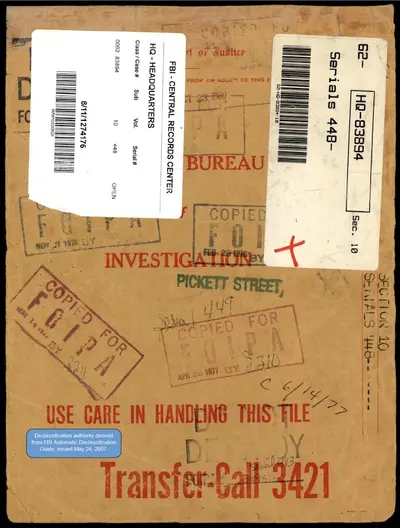
The specific details of this incident entered the modern historical record through documentation held by the Federal Bureau of Investigation. Under the Bureau’s standing protocols for the protection of vital installations, various field offices, including those in Knoxville, Albuquerque, and Los Angeles, were tasked with routing UFO reports to headquarters. These records were later released to the public on May 8, 2026, as part of the Presidential Unsealing and Reporting System for UAP Encounters (PURSUE). This release provided a rare glimpse into how pre-modern accounts of aerial anomalies have been integrated into contemporary government archives.
The Moscow Theological Academy Icon
The core of the documented incident involves a specific visual depiction found within the Moscow Theological Academy. The icon in question portrays a scene from the resurrection, yet it contains imagery that deviates from traditional iconographic standards. The artwork depicts Christ positioned within a streamlined container that bears a striking resemblance to a modern spaceship. This vessel is shown emitting smoke, a detail that suggests a propulsion-based or combustion-based mechanism.
The narrative within the icon describes Christ attempting to lift a man aboard this vessel while angels observe the event. While the icon serves as the primary evidence for this sighting, the document notes that the work is considered apocryphal. This classification suggests that the icon may not be part of the established or orthodox canon of the period, potentially indicating a localized or fringe religious interpretation of a witnessed event. The released FBI documentation does not specify the exact number of witnesses present during the original event that inspired such a depiction, leaving the scale of the sighting undetermined.
Classification and Analytical Status
The case is classified as a visual sighting reported by ground or air observers. In the context of anomalous phenomena research, such sightings are often categorized as pre-modern apparitions or aerial-anomaly accounts. These are distinguished from modern sightings by their lack of technological context and their reliance on religious or mythological frameworks for description.
The status of this case remains officially unresolved. According to the All-domain Anomaly Resolution Office (AARO), all records released under the PURSUE program are designated as unresolved by default. The federal government has maintained a neutral stance, neither concluding that the event was anomalous nor confirming that it was the result of conventional phenomena.
When analyzing sightings from the 17th century, researchers often consider several conventional candidates. These include atmospheric optical phenomena, such as sundogs or lenticular clouds, which can create the illusion of solid, moving objects. Astronomical events, including the appearance of Venus, the Moon, or meteors near the horizon, are also frequently cited. While modern phenomena like weather balloons or experimental aircraft are common explanations for 20th-century sightings, the 17th-century Moscow case remains a subject of study due to the unique, non-conventional imagery preserved in the theological icon.