Petrozavodsk Jellyfish UFO
A massive glowing object resembling a jellyfish hovered over the Soviet city, sending down shafts of light. Thousands witnessed what became the USSR's most famous UFO event.
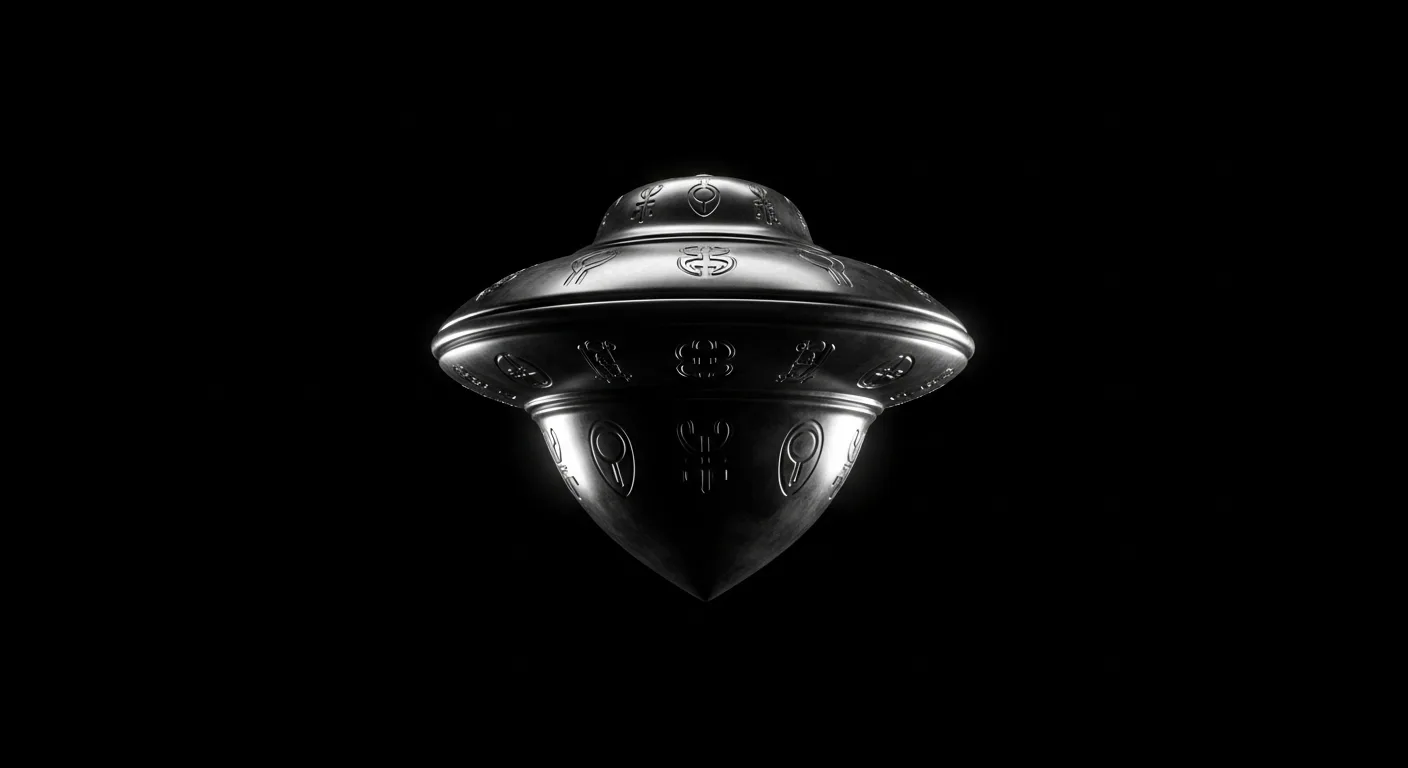
On September 20, 1977, a massive glowing object appeared over the Soviet city of Petrozavodsk, witnessed by thousands of residents. The “jellyfish” UFO, sending down shafts of light, became the most famous UFO incident in Soviet history.
The City
Petrozavodsk was the capital of Karelia, a northwestern Russian city located near the Finland border. It was also an industrial city and part of the Soviet territory.
The Night
On September 20, 1977, the event unfolded around 4:00 AM, occurring during the pre-dawn darkness under a clear sky. The city was largely sleeping, but the phenomenon soon awakened its residents.
The Object
Witnesses described a tremendous, glowing mass that resembled a jellyfish. This object possessed tentacle-like rays and was observed sending down beams of golden light, hovering over the city.
Mass Observation
Thousands of people saw the event, including residents who observed it from apartments and streets, as well as night workers and early risers. The entire city of Petrozavodsk was watching.
The Appearance
Initially, the phenomenon appeared as a bright star. It then grew in size and expanded outwards, eventually forming a jellyfish-like shape with tentacle-like rays.
The Beams
Shafts of light descended to the ground, penetrating through the windows of buildings and exhibiting a golden color. Witnesses reported these beams followed a searching pattern.
Duration
The display lasted approximately 10 to 12 minutes, providing ample time for extended observation and documentation. Many witnesses were able to thoroughly see the event, contributing to its fame.
TASS Report
The Soviet news agency, TASS, officially reported the event, noting that it was unusual for the USSR. The report acknowledged the phenomenon and garnered national coverage, representing a rare admission of an unexplained event.
Official Investigation
The Soviet Academy conducted an investigation into the event, considering multiple theories but ultimately failing to reach a conclusion. Eventually, the investigation attributed the phenomenon to the launch of a rocket.
The Rocket Theory
Official sources claimed that the event was caused by the Cosmos 955 satellite, which was launched that night from Plesetsk. They attributed the exhaust plume and associated atmospheric effects to this launch.
Problems with Theory
However, witnesses raised concerns regarding the theory, questioning the shape of the object, the duration of the display, the unexplained beams, and the unusual behavior of the object, suggesting the explanation was incomplete.
The Window Damage
Some witnesses reported finding holes in window glass, exhibiting circular patterns, which were discovered after the event. This provided potential physical evidence, although the claim remained controversial.
Physical Effects
Claims included reports of glass damage, electrical disturbances, effects on plant life, and unusual reactions among animals. This evidence was largely disputed.
International Interest
Despite the Cold War tensions, Western researchers noted the unusual Soviet openness surrounding the case, recognizing the Petrozavodsk incident as a major UFO case of global significance and a rare disclosure of such an event.
Felix Zigel
Soviet UFO researcher Felix Zigel documented the case, collecting testimonies and analyzing the available evidence, ultimately disputing the official answer and playing a vital role as an investigator.
The Witnesses
The witnesses included port workers, dock employees, ship crews, residents, and authorities, providing diverse perspectives on the event.
Dockworkers’ Account
Port workers witnessed the object hovering over the harbor, with beams of light shining on the water, observing it at a very close range. They described this as a spectacular display witnessed by multiple observers.
Soviet Response
Initially, the Soviet government was open to discussing the event. However, over time, information was restricted, and files were classified, limiting research and reflecting a typical pattern of controlled responses to unusual events.
Similar Cases
The same year, 1977, multiple Soviet sightings occurred in other cities, and a pattern was noted, characterized by wave activity and a significant period of unusual phenomena.
Significance
The Petrozavodsk phenomenon is significant for its mass witnesses, the Soviet documentation of the event, the TASS report, and the official investigation, solidifying its place as the Soviet Union’s most famous UFO event.
Legacy
The Petrozavodsk phenomenon represents the Soviet Union’s most famous UFO event. The mass witnesses, official acknowledgment, and spectacular nature of the “jellyfish” object ensure its place in UFO history.
Sources
- CIA UFO/UAP Reading Room — Declassified CIA documents on UAP