Brazilian Air Force UAP Files Declassification
On August 14, 2025, the Brazilian Air Force released a substantial archive of declassified UAP case files spanning four decades, including new material on Operation Saucer and the 1986 Night of the UFOs.
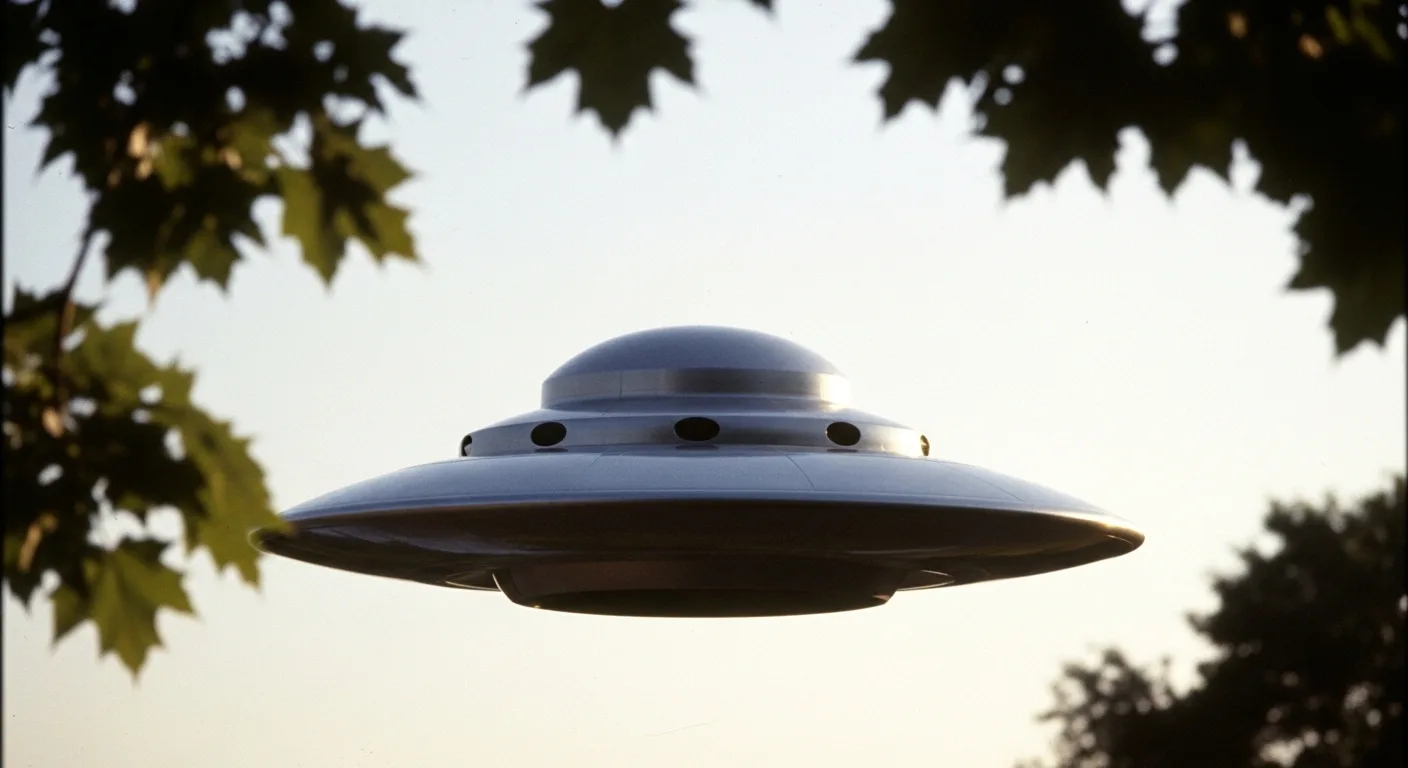
On August 14, 2025, the Brazilian Air Force, the Força Aérea Brasileira, completed a long-anticipated transfer of a substantial archive of declassified case files relating to unidentified anomalous phenomena to the Arquivo Nacional in Brasília. The release, the third and largest of its kind since the initial declassifications of 2010, comprised tens of thousands of pages of pilot reports, radar logs, photographic evidence, internal correspondence, and analytical assessments produced by the FAB’s various air defense and intelligence components from the 1950s through the early 2000s. Brazil, which has long held one of the world’s most significant national UAP archives, took a substantial further step toward making that record available to researchers and the public.
A Nation with a Particular Record
Brazil’s UAP history is among the most evidentially rich of any nation. Its tropical nights, its dense and largely uninhabited interior, and its extensive coastline have produced a documentary record that includes some of the most discussed cases in the international UAP literature. The Operation Saucer investigations conducted in the Pará region in 1977 and 1978, in which FAB personnel investigated waves of luminous objects that allegedly attacked residents of the Colares region, remain among the most extensively documented government UAP investigations anywhere in the world. The 1986 Night of the UFOs, in which Brazilian military pilots scrambled to intercept multiple objects over São Paulo and Rio de Janeiro and provided detailed radar and visual reports, brought the topic to international attention.
The decision to make this archive available — undertaken progressively under successive governments since 2010 — has placed Brazil in a position of relative international leadership on UAP transparency. The 2025 release built on the patterns established in earlier transfers, providing materials that researchers and journalists could examine without the elaborate clearance procedures that had previously accompanied access to many FAB records.
The Contents of the 2025 Release
The 2025 transfer comprised approximately twenty-one boxes of physical files, alongside digital scans of much of the same material made available through the Arquivo Nacional’s online portal. According to early reporting in Folha de S.Paulo and the specialist publication UFO Magazine Brasil, the materials covered cases from across Brazil’s vast geography, including extensive documentation from the FAB’s Comando de Defesa Aeroespacial Brasileiro (COMDABRA) and its predecessor organizations.
A significant portion of the new material concerned Operation Saucer and its aftermath. While much of the operation’s documentation had been released in 2010 and 2014, the 2025 transfer included internal analytical assessments from the years following the operation, in which FAB analysts had reviewed the case files and reached preliminary conclusions about the nature of the phenomena observed. These assessments, while cautious in their language, included acknowledgments that a meaningful fraction of the Colares cases had resisted any prosaic explanation despite extended investigation, and that the medical effects reported by witnesses — burns, radiation-like symptoms, and unexplained illnesses — represented a documentary record that the FAB had been unable to dismiss.
The 1986 Night of the UFOs received similarly extensive new attention. The 2025 release included radar tracks, voice transcripts of FAB pilots in flight, and the post-mission technical analyses conducted by the FAB’s intelligence service. The original ministerial press conference held days after the events, in which the FAB had publicly acknowledged the encounters, had marked one of the few cases in which a major national air force had affirmed the reality of UAP encounters in real time. The new documentation provided substantially more detail on what the FAB pilots and ground controllers had actually observed.
A Newer Generation of Cases
Beyond the historical material, the 2025 release included a meaningful body of more recent case files, including reports from the 1990s and 2000s that had not previously been available. Among the most discussed were a series of reports from the Amazon basin in the late 1990s, in which FAB personnel had investigated luminous objects observed by indigenous communities and rural residents over remote stretches of the Pará and Amazonas states. The reports, while less dramatic than the earlier Colares incidents, demonstrated a continuity of phenomenon that researchers had long suspected but had been unable to document from official sources.
A separate body of newly released material concerned naval and coastal incidents, in which Brazilian naval and air force assets had tracked unidentified objects above and below the surface of the South Atlantic. Several of these cases involved objects exhibiting characteristics consistent with trans-medium behavior — moving between air and water — and the FAB’s analytical files included discussion of this characteristic in technical language that researchers will be parsing for some time.
Institutional and Political Context
The 2025 release took place in a political environment substantially different from the one in which the earlier transfers had occurred. The international UAP discourse had become more institutionally legitimate in the intervening years, with the establishment of AARO in the United States, the work of NASA’s Independent Study Team, and the parallel transparency efforts of other governments. Brazilian officials, both military and civilian, were able to discuss the release in terms that drew on this broader international context, framing the declassification not as a concession to fringe demands but as part of an emerging international norm.
Within Brazil, the release was the product of sustained advocacy by a coalition of researchers, journalists, and parliamentarians who had pressed the FAB and successive ministers of defense for fuller disclosure. The Brazilian UFO Commission, a civil society initiative led by researchers including A. J. Gevaerd, had played a particularly visible role in organizing the demand for transparency over the preceding decade. Their work had helped ensure that the release was substantive rather than performative, comprising material with genuine evidentiary content rather than the heavily redacted summaries that have sometimes characterized comparable releases elsewhere.
What the Release Means
The full implications of the 2025 release will only emerge over years of careful research by historians, journalists, and analysts working through the new materials. Initial assessments from Brazilian researchers suggested that the release substantially strengthened the documentary basis for the Colares investigations and provided new corroboration for the 1986 Night of the UFOs. Researchers also noted that the material confirmed the existence of internal FAB analytical processes that had reached conclusions more open to anomaly than the public statements of the air force at the time had suggested.
For the broader international UAP research community, the Brazilian release reinforced the value of national archive declassification as a mechanism for advancing the empirical study of the phenomenon. Where the more recent United States releases have often been characterized by the sense that the most consequential material remains classified, the Brazilian releases have offered a comparatively richer evidentiary record on cases that have entered the international canon. Brazil, in this regard, has become an unusual and significant participant in a global conversation about transparency that other governments are still beginning to navigate.
Sources
- Arquivo Nacional do Brasil — Official archive hosting the released materials
- Wikipedia: Operação Prato — Background on Operation Saucer
- UFO Magazine Brasil — Brazilian specialist publication covering the release