The Chichester Tasman Sea UFO
During his pioneering solo flight across the Tasman Sea, legendary aviator Sir Francis Chichester witnessed a pearl-shaped airship that flashed brilliantly as it approached his small aircraft, then vanished. He later connected this sighting to unexplained compass deviations during his flight.
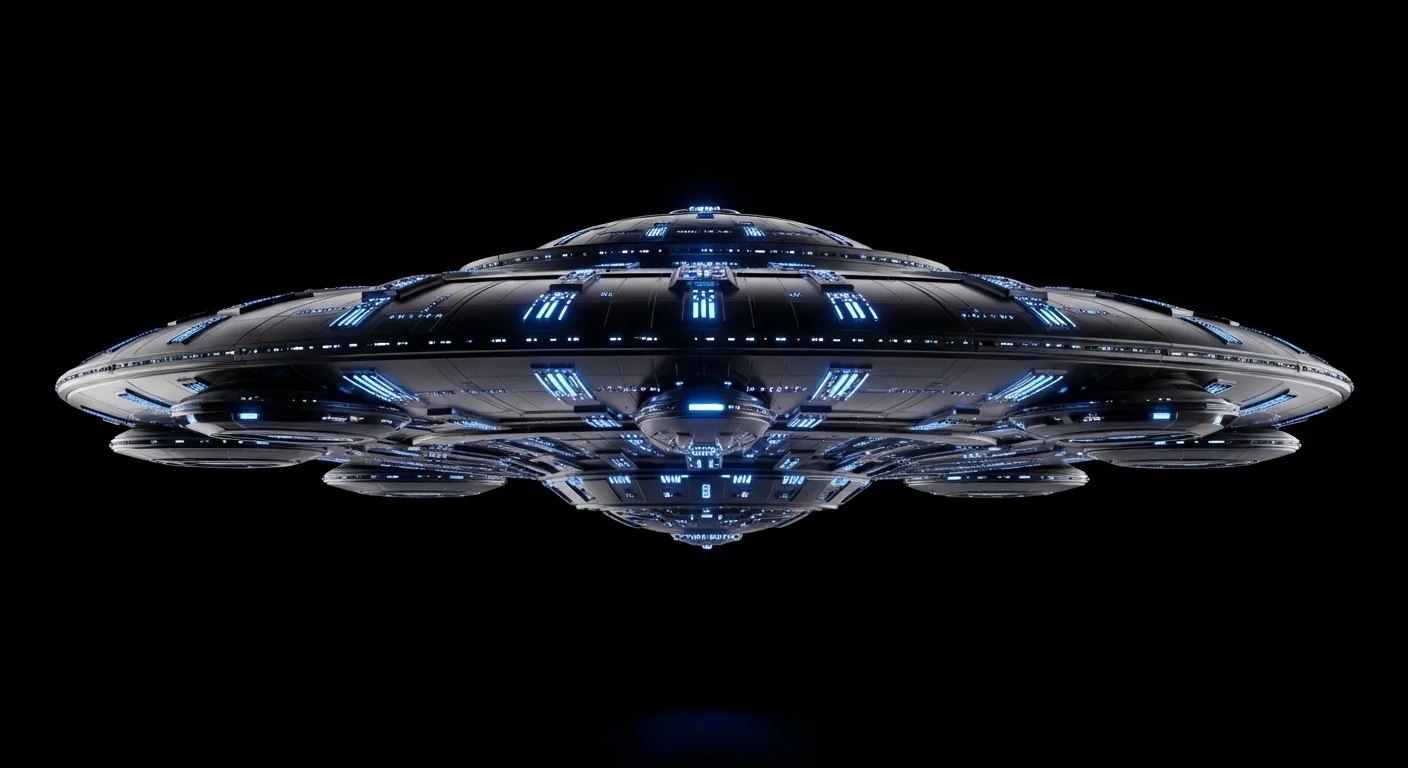
In early 1931, Sir Francis Chichester – who would later become one of the most celebrated aviators and sailors in British history – was making his pioneering solo flight across the Tasman Sea when he witnessed something that would puzzle him for the rest of his life. A pearl-shaped object, flashing brilliantly, approached his small aircraft over the vast ocean before vanishing. Chichester later connected this strange sighting to unexplained compass deviations that had plagued his navigation during the flight.
The Witness
Sir Francis Chichester
His credentials included being a pioneering aviator, a later famous solo yachtsman, the first solo sailing circumnavigation (1966-67), a Knighted by Queen Elizabeth II, and one of the 20th century’s great adventurers.
Why His Account Matters
Chichester was an expert navigator, an experienced pilot, a trained observer, and had no motive to fabricate the story. His reputation was at stake, adding to the weight of his account.
The Flight
The Context
What he was doing was undertaking a solo flight across the Tasman Sea from Australia to New Zealand, a pioneering aviation achievement involving a small aircraft over more than 1,400 miles of open ocean.
Navigation Challenges
The difficulties were numerous; there were no landmarks for guidance, the compass was essential for navigation, the weather was unpredictable, fuel calculations were critical, and accurate navigation was life-or-death.
The Sighting
What He Saw
Chichester reported observing a pearl-shaped object, airship-like in appearance, flashing brilliantly, and approaching his aircraft over open ocean.
The Object’s Behavior
The object appeared suddenly, moved toward his plane, flashed or pulsed with light, had a pearl-like shape that was distinctive, and then vanished.
Duration
The encounter was a brief observation, long enough to observe the details before it disappeared. It was a solo witness situation, isolated over the ocean.
The Compass Connection
Navigation Anomalies
Chichester noted unexplained compass deviations during the flight, disrupting his navigation and being potentially dangerous over open ocean, with no conventional explanation.
His Theory
Chichester wondered if the object was connected to the compass deviations, perhaps through electromagnetic interference or unknown technology, or related phenomena, and admitted the question remained unanswered.
Significance
This detail mattered because it suggested physical effects beyond just a visual sighting, instrument interference, and was consistent with other UFO reports, prompting pattern recognition.
Analysis
Pearl Shape Description
The pearl shape suggested that the object was not a conventional aircraft, possessed a smooth, rounded form, had a luminous quality, and lacked visible wings, presenting an unusual configuration.
The Flashing
The light behavior was brilliant illumination, pulsing or flashing, attention-getting, and potentially indicative of intelligent control or a purpose unknown.
Open Ocean Location
The open ocean location was significant because there was no possibility of confusion with ground lights, no other aircraft was likely present, it was an isolated location, offering clear observation conditions, and resulting in an unambiguous sighting.
Historical Context
1931 Aviation
The technology of the time consisted primarily of propeller aircraft, airships existed but looked different, and no pearl-shaped craft was known, matching the description.
The Tasman Crossing
The Tasman crossing was one of the most challenging routes, occurring throughout open ocean, relying solely on compass navigation, vulnerable to deadly weather conditions, and undertaken by few individuals.
Chichester’s Later References
Speaking About It
He mentioned the sighting in later writings, connected it to navigation issues, never fully explained it, and remained puzzled by the mystery.
No Embellishment
His approach was straightforward, reporting what he saw without sensationalism, leaving the interpretation open and maintaining a scientific attitude.
Connection to Other Cases
Ocean Sightings
Many UFOs were seen over oceans, including incidents over the Tasman Sea and Pacific sightings were common, suggesting a geographic pattern.
Pilot Encounters
Aviators and UFOs had a long history of sightings, with credible witnesses, training often aiding observation, and pilots frequently reluctant to report their experiences, with Chichester being an exception.
Compass Effects
Electromagnetic phenomena were commonly reported in conjunction with UFO sightings, vehicles stopping and compasses malfunctioning due to electronic interference and demonstrable physical effects.
The Question
In 1931, Francis Chichester was alone over the Tasman Sea.
1,400 miles of open ocean. A tiny aircraft. A compass to guide him. And nothing else.
Then something appeared.
Pearl-shaped. Flashing brilliantly. Approaching his aircraft over the empty water.
What was it?
Not another plane - there were no other planes over the Tasman that day. Not a ship’s light - he was too high and too far from shipping lanes. Not a natural phenomenon - pearls don’t fly.
It came toward him. It flashed. And then it was gone.
But something else remained - the mystery of his compass. Deviations he couldn’t explain. Navigation thrown off by something invisible. Was it connected to the pearl-shaped object? Chichester thought it might be.
This wasn’t a man prone to fantasy. This was one of the greatest navigators of the 20th century. A man who would later sail around the world alone. A man knighted for his achievements. A man who knew the difference between the real and the imagined.
He saw something over the Tasman Sea.
Something that flashed and approached and vanished.
Something that may have interfered with his instruments.
Something he never explained.
Sir Francis Chichester, alone over the ocean, with only his skill and his compass between him and death.
And a pearl-shaped visitor that came from somewhere.
And went somewhere else.
Leaving only questions.
The Chichester Tasman Sea UFO.
Still unexplained.
Still impossible.
Still waiting for an answer.