Arabella Formation Sighting
A group of high-country sheep farmers in New Zealand's Canterbury region reported a slow formation of brilliant lights moving low above the foothills, with the cluster recorded in farm diaries and corroborated across several stations.
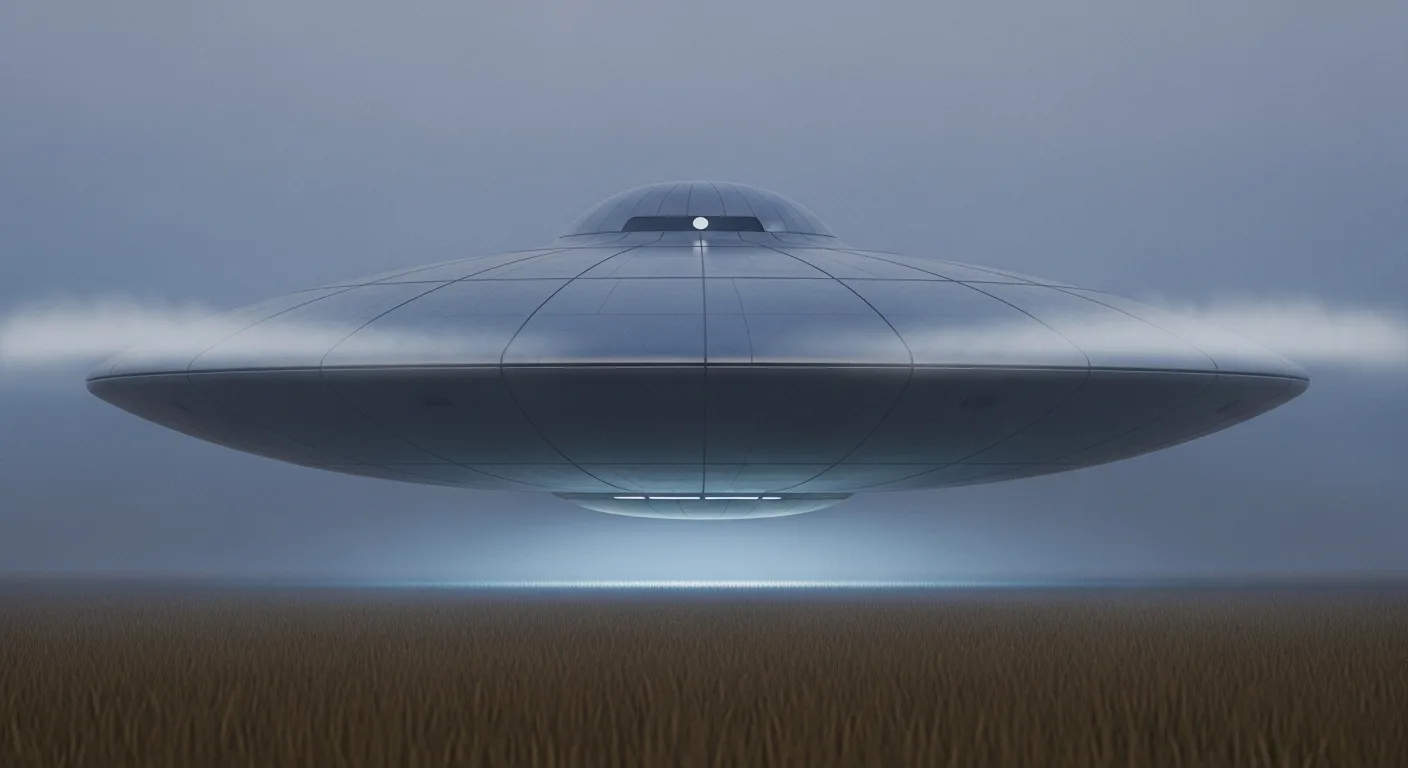
The Canterbury sighting of May 1984, sometimes known by the informal name of the Arabella formation after the high-country station closest to the most detailed observation, is one of several New Zealand cases from the period that received careful local attention but never achieved the international visibility of the Kaikoura lights of 1978. It involved a small number of well-positioned witnesses, contemporaneous farm diary entries, and an unusually clear convergence of independent accounts.
Background
The South Island high country in the mid-1980s was, and remains, an environment in which the night sky is exceptionally dark and the horizons are exceptionally long. Sheep farming families on the larger stations, often working out of houses kilometres apart, were accustomed to observing weather, aircraft movements, and meteor activity as part of routine outdoor life. The combination of dark skies and observant residents made the high country a productive setting for credible witness reports.
By 1984, New Zealand’s small but active civilian UFO research community, drawing on networks that had been built during the Kaikoura investigations, was well positioned to take in reports of unusual aerial events from the region. The Canterbury region in particular had produced a steady run of low-frequency but high-quality cases through the early 1980s.
The Sighting
On the evening of 22 May 1984, members of three sheep stations along a roughly twenty-kilometre stretch of high-country valley independently observed a formation of brilliant lights moving slowly southward at low altitude above the foothills. The first observation came from a farm worker returning from an outlying paddock at approximately 7:50 p.m. He reported a cluster of perhaps five steady white lights arranged in a curved line, drifting at a speed comparable to that of a light aircraft but at an altitude he estimated as no more than two hundred metres above the ridges to his west.
Within minutes, members of two neighbouring stations had also seen the formation, with one observer watching for several minutes through the kitchen window of the homestead at Arabella station, from which the case takes its informal name. Her account, written into the farm diary that evening, gave the formation as five lights arranged in a slight crescent, moving silently at low speed, with no strobing and no audible engine note.
The formation was last reported above the southern end of the valley at approximately 8:15 p.m. The total duration of the event, defined by the earliest and latest sightings reported to investigators, was approximately twenty-five minutes.
Investigation
The case was investigated by a small team from the Canterbury UFO Research Group in the weeks that followed, with assistance from researchers in Christchurch and Wellington. The Arabella diary entry was photographed and transcribed, and the three witnesses at the Arabella homestead were interviewed individually. Their accounts were broadly consistent on the formation’s shape, speed, altitude, and silence.
A check with Christchurch air traffic control produced no record of unusual traffic over the foothills during the relevant window. Defence Force authorities provided a brief, non-committal response stating that no exercises had been logged in the area for the date in question. No physical traces were sought, given the formation’s reported altitude and the open high-country terrain over which it had passed.
The Canterbury case has structural parallels with the Belgian wave and with the earlier Kaikoura events, particularly in the slow speed and silent passage of a formation of bright lights at low altitude.
Aftermath
The case was written up briefly in regional press in early June 1984 and was summarised in the New Zealand civilian UFO literature later that year. None of the witnesses sought further publicity. The Arabella diary entry remains, for the period in question, an unusually well-dated and well-located record of a witness account, and it has been cited periodically in subsequent New Zealand cryptid and UFO literature as an example of carefully kept rural testimony.
Skeptical Analysis
The most commonly proposed conventional explanations involve a flight of light aircraft in close formation with their navigation lights showing only on one side, a sequence of high-altitude balloons released from a research site and drifting on prevailing wind, or a misperceived satellite re-entry. None of these explanations accounts well for the reported low altitude, the consistency of the formation’s shape across multiple witnesses at different stations, the absence of audible engine sound, and the slow but steady track. A small minority of researchers have suggested an experimental Defence Force exercise conducted without public notice; no documentary evidence of such an exercise has emerged.
Sources
Canterbury UFO Research Group case files, 1984. The Press, Christchurch, regional coverage, June 1984. Arabella station farm diary, 22 May 1984 entry. Murray Bott, New Zealand Encounters (1992), brief mention.