Kaikoura Lights
A film crew aboard a cargo aircraft captured footage of luminous UFOs tracked simultaneously on radar. The Kaikoura Lights became one of the most documented UFO cases with both visual and radar evidence.
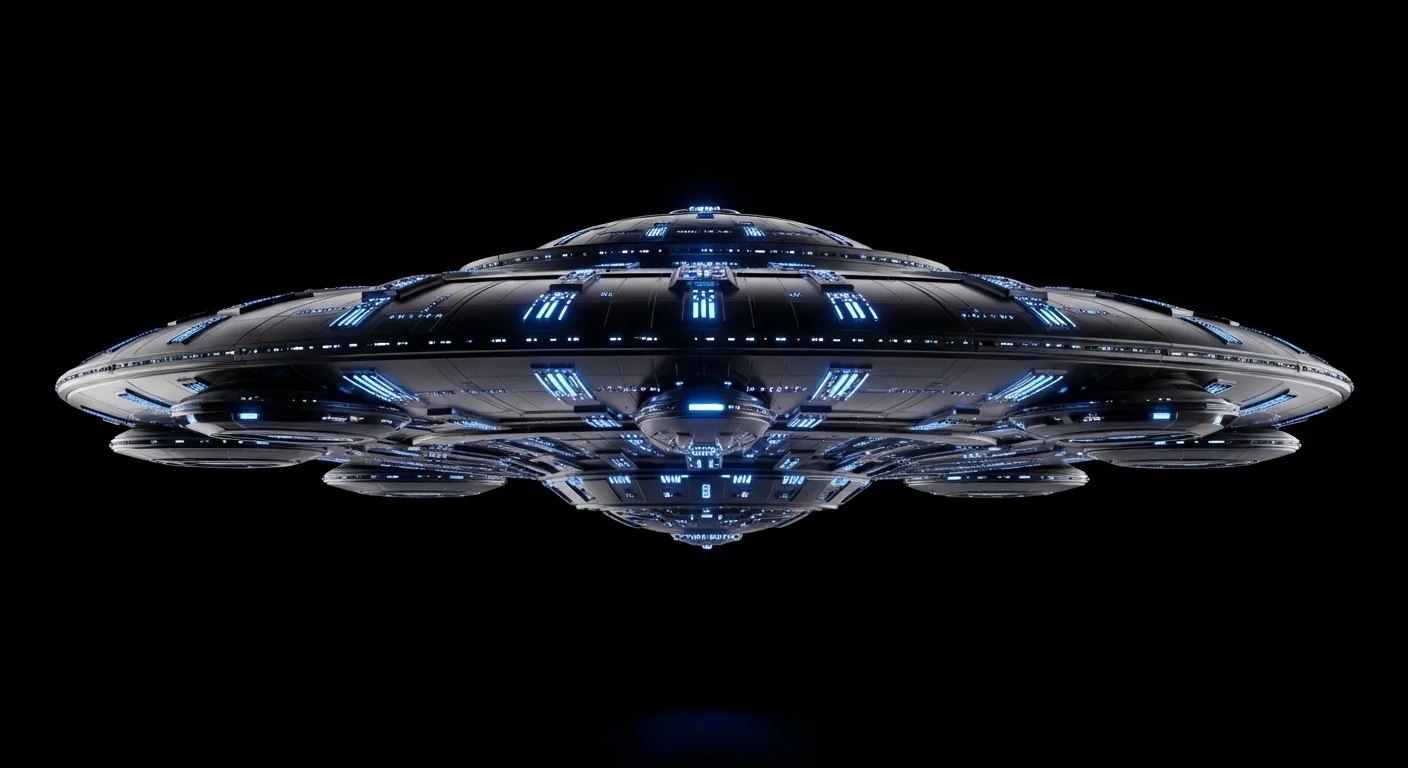
On December 31, 1978, a television film crew aboard a cargo aircraft captured remarkable footage of unidentified luminous objects over the Kaikoura coast of New Zealand. The objects were simultaneously tracked on radar, creating one of the best-documented UFO cases combining visual, filmed, and radar evidence.
Background
In late December 1978, pilots flying the Wellington-Christchurch route began reporting unusual lights over the Kaikoura mountain ranges. The reports attracted media attention, and Australian television reporter Quentin Fogarty arranged to fly the route with a film crew.
The Flight
On the night of December 30-31, Fogarty and cameraman David Crockett joined the crew of an Argosy freight aircraft for a routine cargo run. They hoped to observe the lights pilots had been reporting.
They got more than they expected.
The Encounter
Throughout the flight, multiple luminous objects appeared around the aircraft, presenting a perplexing and unforgettable spectacle for the crew. Bright, spherical lights of varying sizes materialized and disappeared intermittently, appearing to pace the aircraft with a disconcerting, synchronized movement. Furthermore, the lights frequently changed color and intensity, fluctuating between vibrant hues and dimming to near invisibility, adding to the mystery. The crew also noted that these objects were meticulously tracked on Wellington radar, reinforcing the unusual nature of their observations. Adding to the strangeness, the objects exhibited maneuvers impossible for conventional aircraft, accelerating and decelerating abruptly, and performing tight turns with seemingly effortless precision. Crockett filmed approximately 23 minutes of footage documenting this extraordinary event.
Radar Confirmation
Wellington Air Traffic Control diligently tracked unidentified targets that corresponded with the visual sightings reported by the crew. Controllers confirmed the objects appeared and disappeared from radar in locations matching what the crew observed visually, solidifying the connection between the radar data and the observed lights.
The radar returns suggested solid objects, not atmospheric phenomena, strongly indicating the presence of something other than natural atmospheric conditions.
The Footage
The film produced by David Crockett showed luminous spheres of various sizes, demonstrating the diverse range of the observed objects. Furthermore, the footage clearly documented objects moving relative to the aircraft, providing tangible evidence of their dynamic behavior. The lights also changed intensity, fluctuating dramatically, and some frames revealed a clear structure within the luminous forms, contributing to the perplexing nature of the encounters.
The footage was broadcast worldwide and remains among the most compelling UFO film evidence.
Investigation
The Royal New Zealand Air Force investigated the incident without reaching definitive conclusions. Various explanations were proposed, including the brightness of Venus and Jupiter that night, but pilots were familiar with planetary appearances and the objects moved in ways planets cannot. Another theory suggested that squid boat lights were responsible, however, these don’t explain the radar returns or objects at altitude. A proposal involving unburned meteors was also considered but ultimately rejected due to the duration and movement patterns observed. Ultimately, the official position remained that the sightings couldn’t be explained conventionally, acknowledging the existence of an unknown phenomenon.
Witness Credibility
The witnesses included experienced commercial pilots, professional journalists, a television cameraman, and air traffic controllers. Their combined testimony, supported by film and radar evidence, created a compelling case.
Analysis
Dr. Bruce Maccabee conducted extensive analysis of the Kaikoura footage, meticulously examining frame-by-frame details and correlating them with radar data. His analysis concluded the objects were genuine unknowns at significant distances from the aircraft, supporting the initial observations.
Legacy
The Kaikoura Lights represent an ideal UFO case, possessing multiple credible witnesses, film documentation, radar confirmation, an official investigation, and no satisfactory conventional explanation. The combination of evidence types makes Kaikoura one of the strongest UFO cases on record, demonstrating that some aerial phenomena resist explanation despite extensive documentation.
Sources
- CIA UFO/UAP Reading Room — Declassified CIA documents on UAP