Antartica UFO Sighting (August 20, 1967) — FBI Files
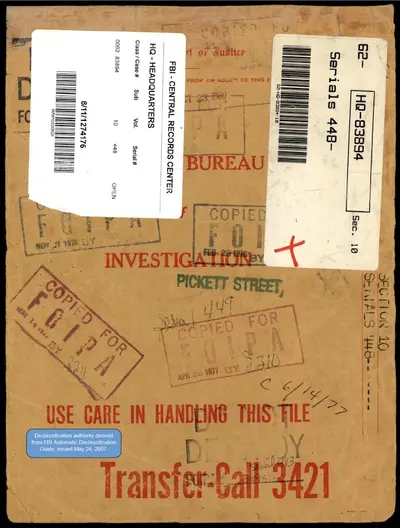
An FBI-documented report from August 20, 1967, details the detection of an unidentified object over Antarctica, later released via the PURSUE program.
Historical Context
The mid-twentieth century was characterized by intense geopolitical tension and a heightened state of vigilance regarding aerial incursions. During the height of the Cold War, the United States government maintained rigorous monitoring of the skies to detect potential technological advancements or surveillance efforts by adversarial nations. This era saw the proliferation of Unidentified Flying Object (UFO) reports, which were often processed through various intelligence and military channels. The United States Air Force operated Project Blue Book, a systematic study of UFO phenomena, while the Federal Bureau of Investigation (FBI) maintained its own protocols for handling such reports, particularly when they involved the potential compromise of vital installations or national security interests.
The geographical significance of Antarctica during this period cannot be overstated. As a continent of immense strategic and scientific value, the polar regions were subject to increased scrutiny by both scientific expeditions and military interests. The isolation and extreme environmental conditions of the Antarctic landscape often complicated the verification of aerial sightings, as communication delays and limited ground-based observation equipment were common. In the context of 1967, the detection of any unidentified object in such a remote and sensitive region would have warranted immediate documentation within the federal bureaucracy.
The August 1967 Incident
On August 20, 1967, an incident involving an unidentified object was recorded in Antarctica. The details of this event remained classified for decades, only becoming accessible to the public on May 8, 2026, through the Presidential Unsealing and Reporting System for UAP Encounters (PURSUE). The documentation reveals that the information originated from an informant’s source, which reported that a UFO had been detected over the Antarctic continent.
The released FBI file is notably sparse in its descriptive content. While the document confirms the detection of the object, it provides no further specifics regarding the object’s trajectory, appearance, size, or velocity. Furthermore, the released records do not specify the number of witnesses involved in the sighting or their specific locations within the Antarctic territory. The primary content of the file consists of the brief, verbatim statement: “A UFO was detected over Antartica August 20, 1967.”
The administrative handling of this case followed established FBI protocols of the era. At the time, various field offices, including those in Knoxville, Albuquerque, and Los Angeles, were tasked with routing UFO reports to the Bureau’s headquarters. This centralized processing was part of a standing procedure designed to ensure that any phenomena that could potentially threaten or involve sensitive government installations were properly evaluated by central authorities.
Classification and Analysis
The case is categorized as a visual sighting, a type of report typically generated by ground-based or air-based observers. In the broader landscape of mid-century aerial phenomena, such sightings were frequently analyzed against a range of known atmospheric and technological possibilities. During this period, researchers often considered experimental aircraft, high-altitude reconnaissance technology, or even remnants of programs like Project Mogul, which utilized specialized balloons for detecting upper-atmosphere nuclear tests.
Other frequent candidates for such sightings included natural atmospheric optical phenomena, such as lenticular clouds or sundogs, which can create illusions of moving, structured objects. Additionally, bright astronomical bodies like Venus, the Moon, or passing meteors near the horizon were often mistaken for unidentified craft.
As of the current assessment by the All-domain Anomaly Resolution Office (AARO), all records released under the PURSUE program are designated as unresolved by default. The federal government has maintained a neutral stance regarding the Antarctica sighting of 1967, neither concluding that the event was the result of an anomalous phenomenon nor confirming it as a conventional occurrence. The possibility of both technological and natural explanations remains open, as the lack of supporting data in the original file prevents a definitive determination.